
These 14 ideas run from a wire basket rack you bolt to the wall in an afternoon to overhead shelving that needs joist-finding and a stud finder, and the one that fits your apartment depends on whether you own your bed frame or sleep on a mattress on the floor.
[link-whisper-related-posts]1. Floating Shelves
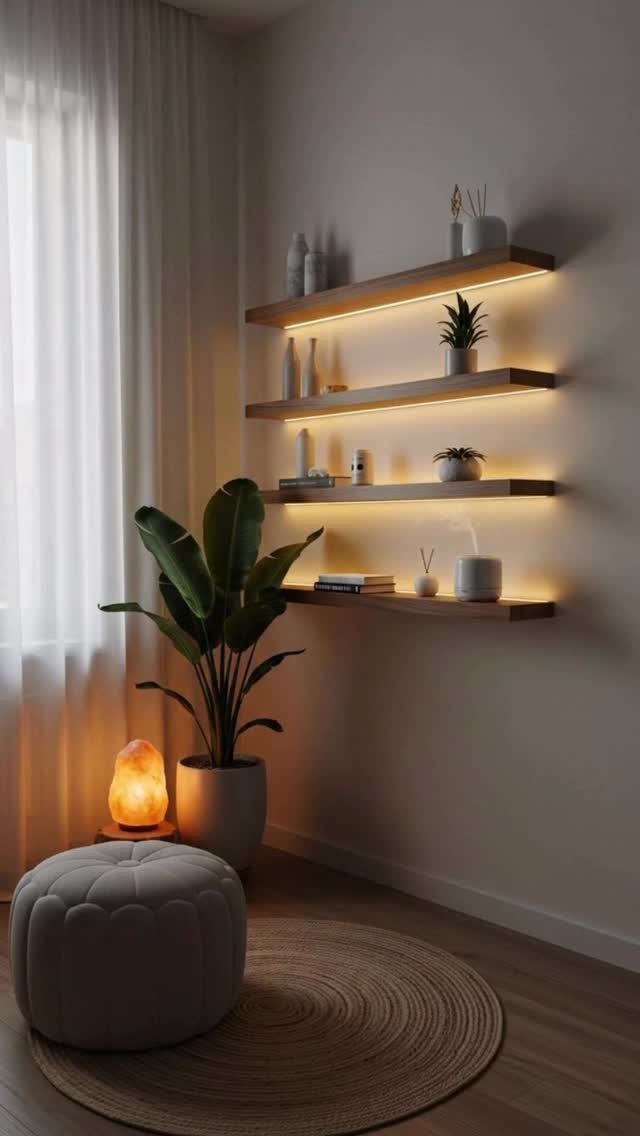
Warm-lit floating shelves turn a blank wall into display and storage without eating floor space.
LED strips tucked underneath light whatever sits on them without needing a nearby outlet. I would run the lights on a timer so the glow acts as evening ambiance without remembering to flip a switch.
Pine or poplar boards work fine and cost less than oak; the hidden bracket is the part worth buying sturdy.
2. Storage Ottomans
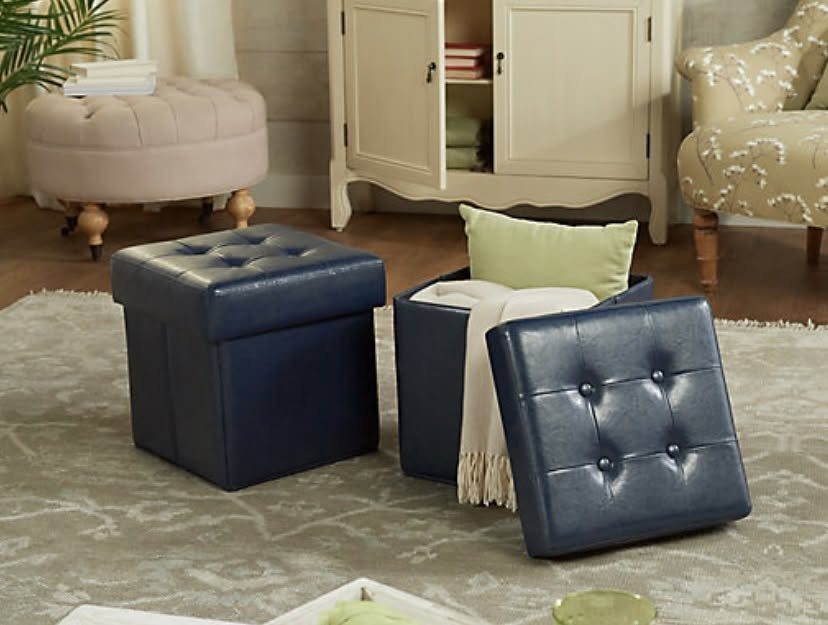
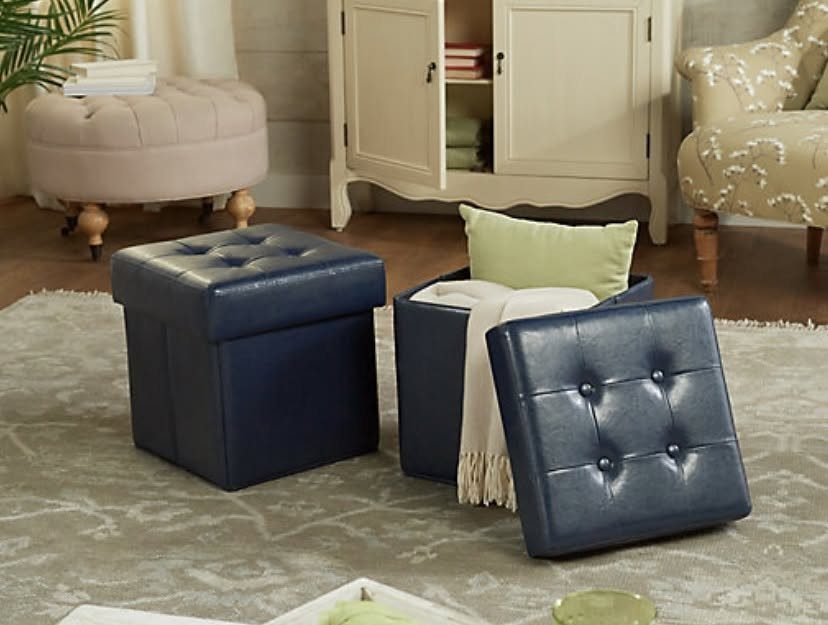
A navy tufted ottoman that opens holds blankets, remotes, or off-season linens where a plain coffee table would hold nothing.
The lid should hinge back, not lift off, or you will set it on the floor every time you reach inside.
I like bonded leather for rental-grade durability; fabric looks softer but stains faster with shoes kicked up on it. Measure the cavity before you buy; some cheaper versions fit less inside than their bulk suggests.
3. Closet Space
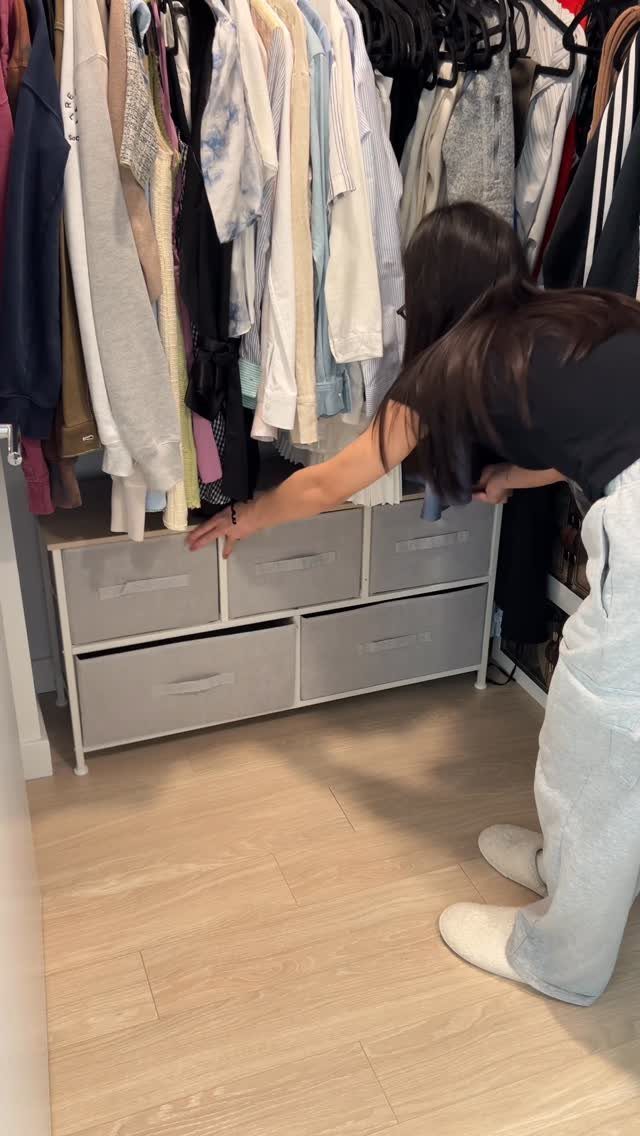
A five-drawer fabric unit slid under hanging clothes claims the dead zone rod-to-floor that most closets leave empty.
Soft sides let you squeeze it past doorjambs that would block a rigid dresser.
The narrow versions stack shirts better than the wide ones, which tempt you to pile and crush. Add clip-on labels if you rotate summer and winter; otherwise you will pull every drawer to find the sweater you want.
4. Under-bed Storage
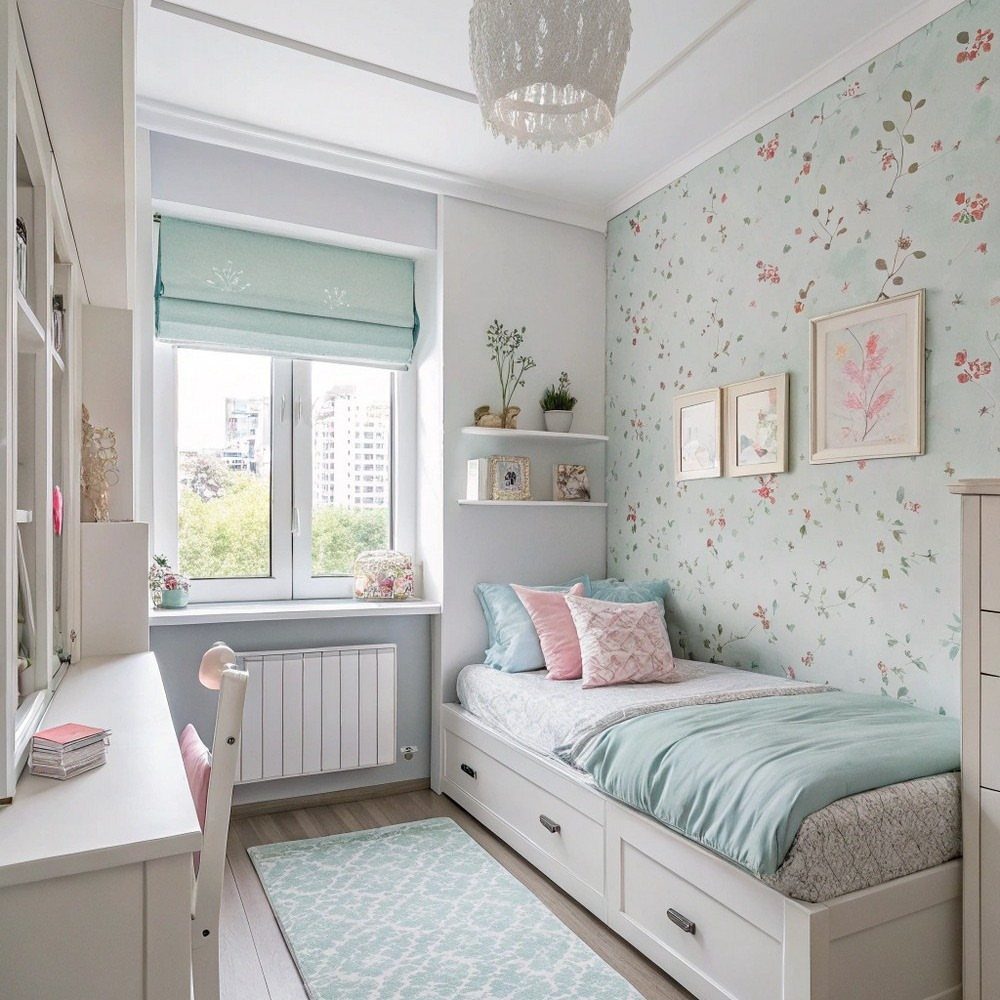
Built-in drawers under a daybed store where dust bunnies usually gather, reachable without lifting the mattress.
The drawer faces should match the bed frame or the room reads broken.
I prefer side-mount full-extension slides; rollers underneath bind on carpet and tip whenloaded heavy. If your bed has no frame, standalone bins on wheels work but look temporary and collect the lint that blows under.
5. Room Dividers
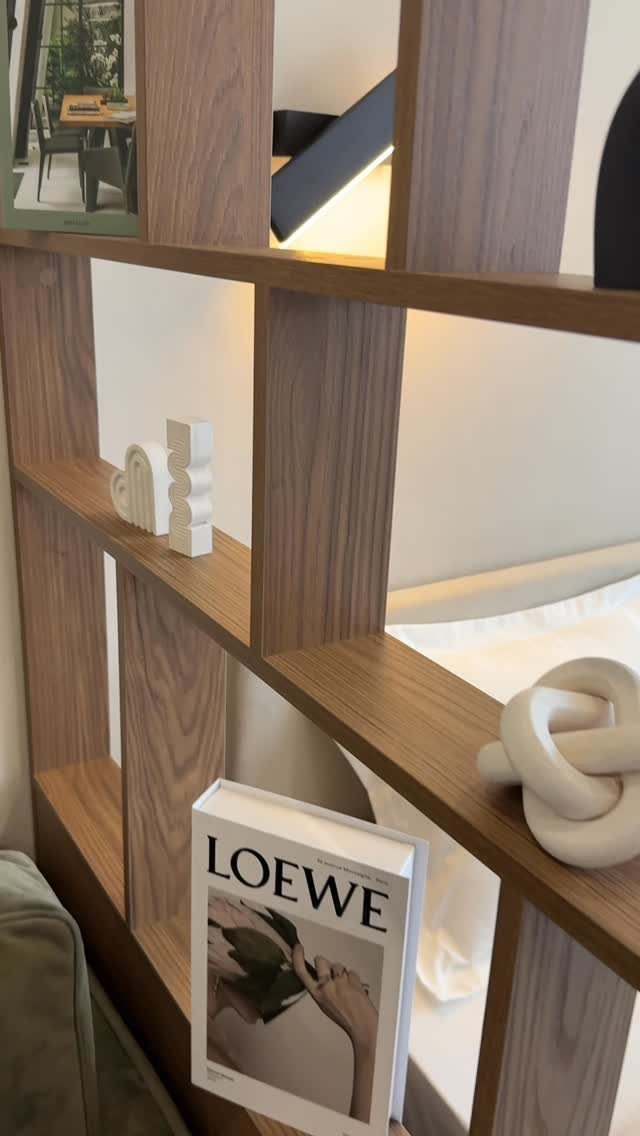
A slatted shelving unit splits one room into two feels without drywall, and still lets light through.
The open slat spacing matters more than you think.
Tight gaps give privacy for a bedroom zone; wider reads as display shelf and barely divides. Anchor it.
A unit full of books weighs enough to tip on a child or a leaning dog. Leave a generous walking gap when it faces a doorway.
6. Nesting Coffee Tables
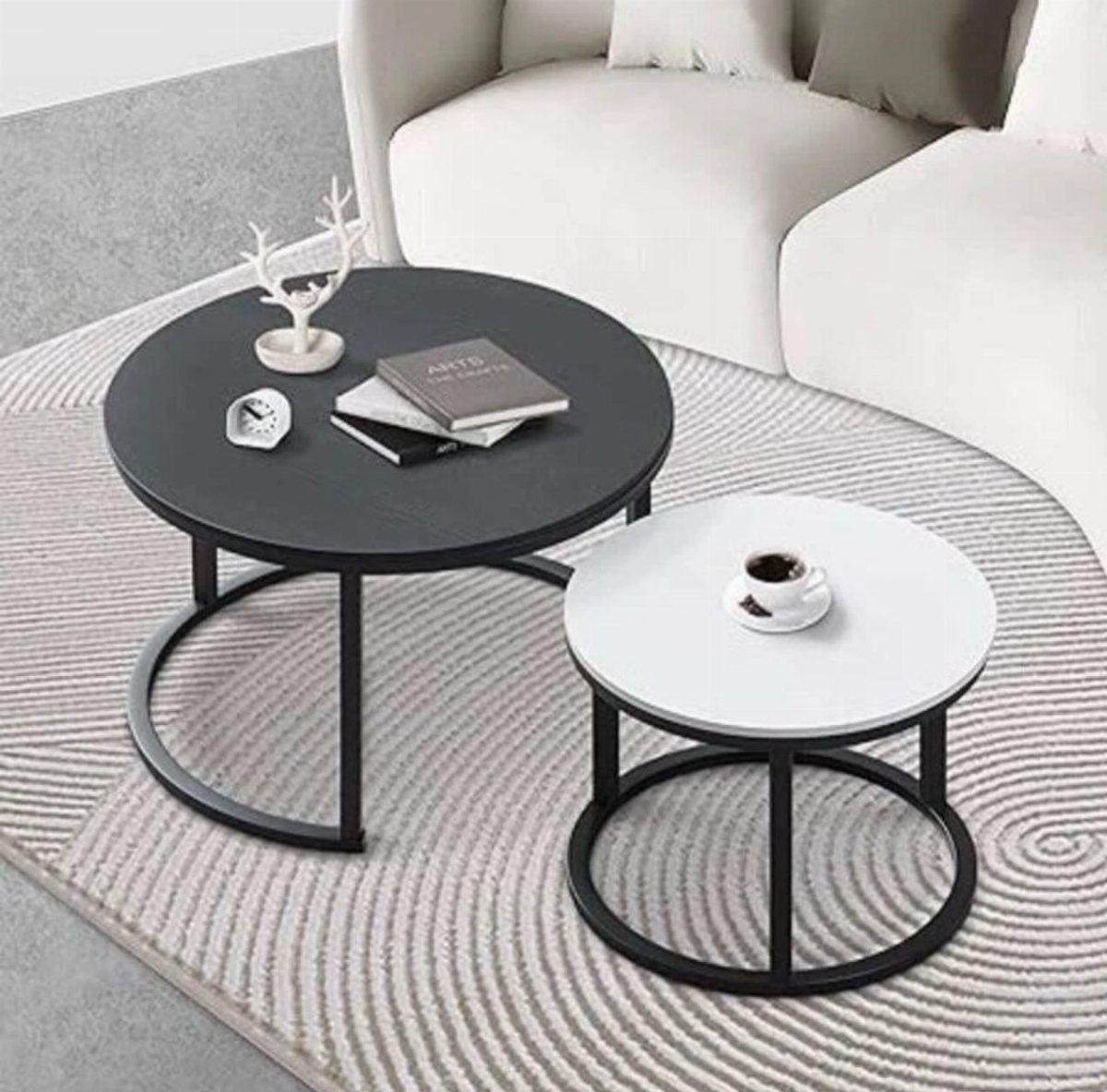
2 round tables that tuck together give you surface when you need it and floor back when you do not.
I would pull the smaller one beside the sofa for a drink and keep the larger for feet, or reverse them when guests come. Check that the smaller table legs clear the larger table’s rim, or nesting becomes jamming.
7. Storage Containers Everywhere
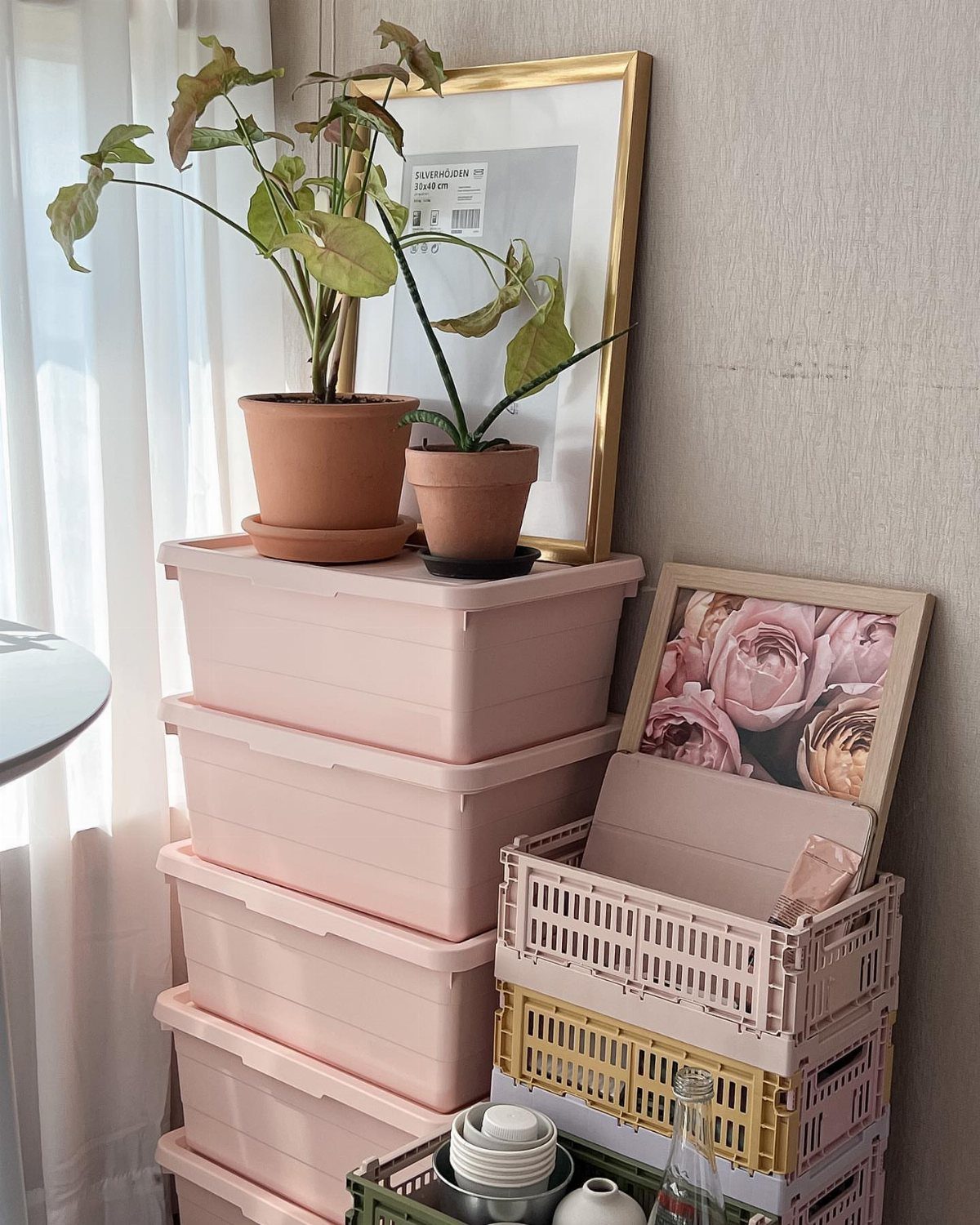
Stacked bins and folding crates turn a corner into storage that still reads as decorated, not dumped.
Plastic holds up to moisture and moves when you do; fabric cubes collapse flat but sag with weight.
I would keep the ones you access weekly at shoulder height and the seasonal stuff below. Labels facing out matter more than color coordination once you are hunting for tax papers late at night.
8. Magnetic Spice Racks
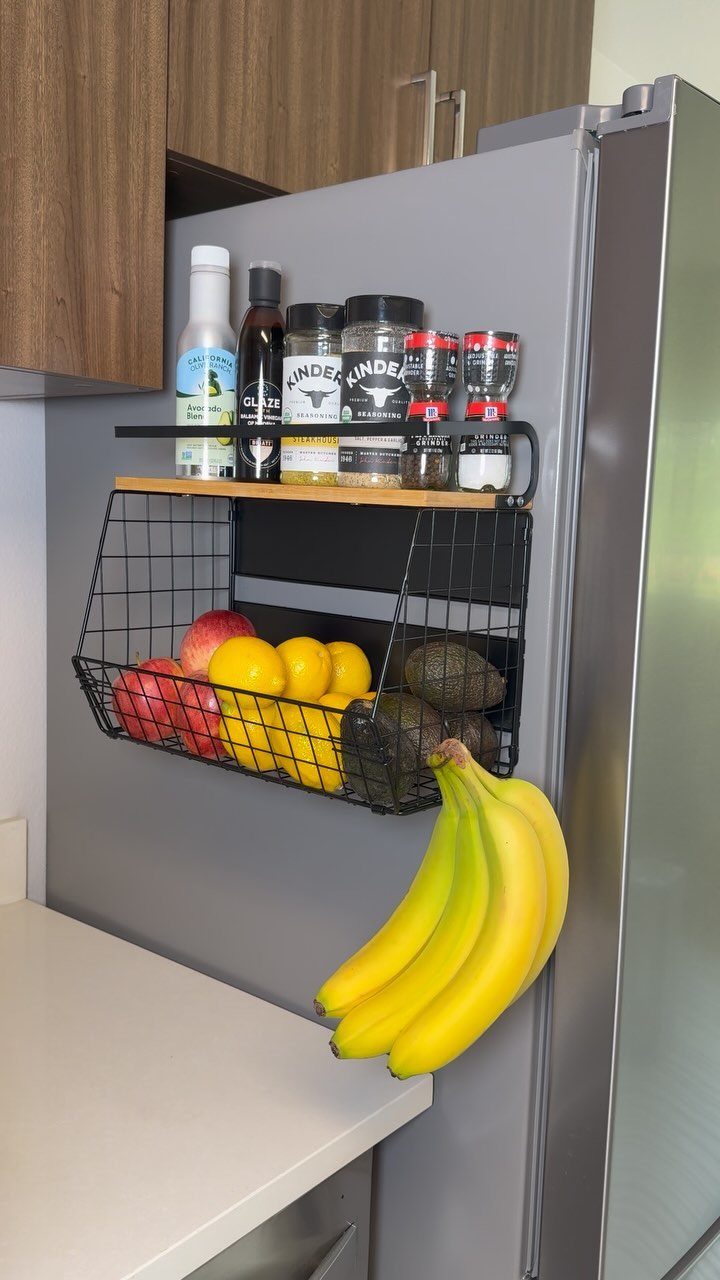
A black wire rack stuck to a refrigerator side holds produce and bottles where cabinet space runs thin.
The magnet strength decides what you can load: spices and small jars, yes; a full fruit bowl, no.
Check that your fridge side is actually magnetic first; many stainless panels are not. Wood trim on the rack softens the industrial look, but wipe the contact surface weekly or grease builds a ring you will need solvent to remove.
9. Organizers Under the Sink
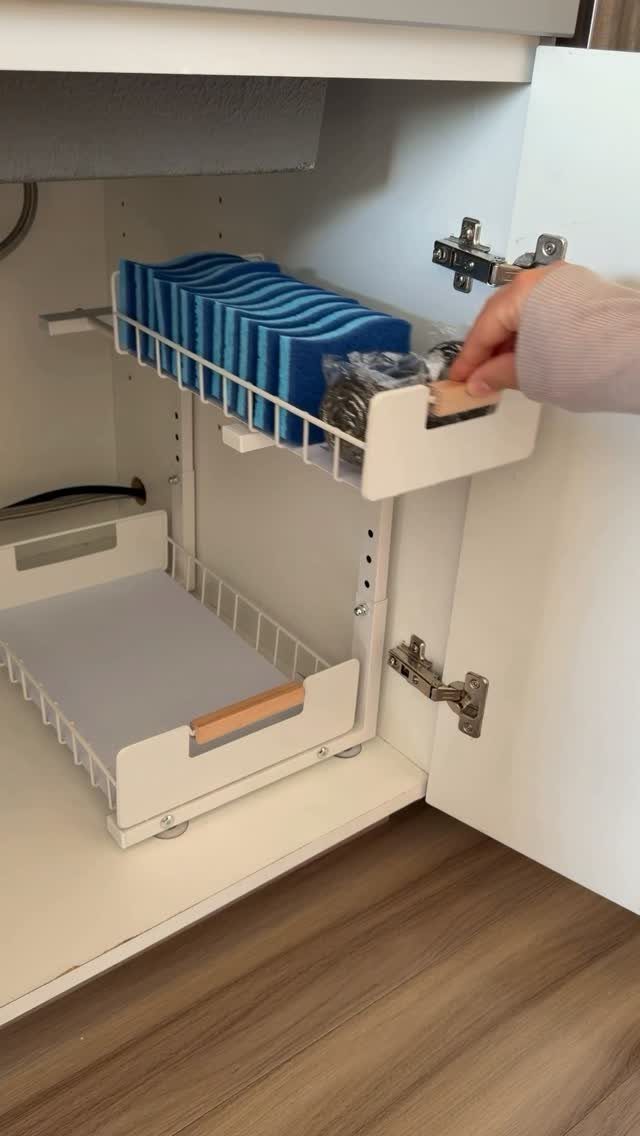
A two-tier wire slide-out under the sink puts sponges and scrubbers where you can reach them without crawling.
The top drawer should clear the P-trap; measure the pipe height before you buy, not after.
I like coated metal for this spot because bare wire rusts in months from drip and steam. Blue cloths in the lower bin separate wet from dry; without that division, everything ends up damp.
10. Lazy Susans
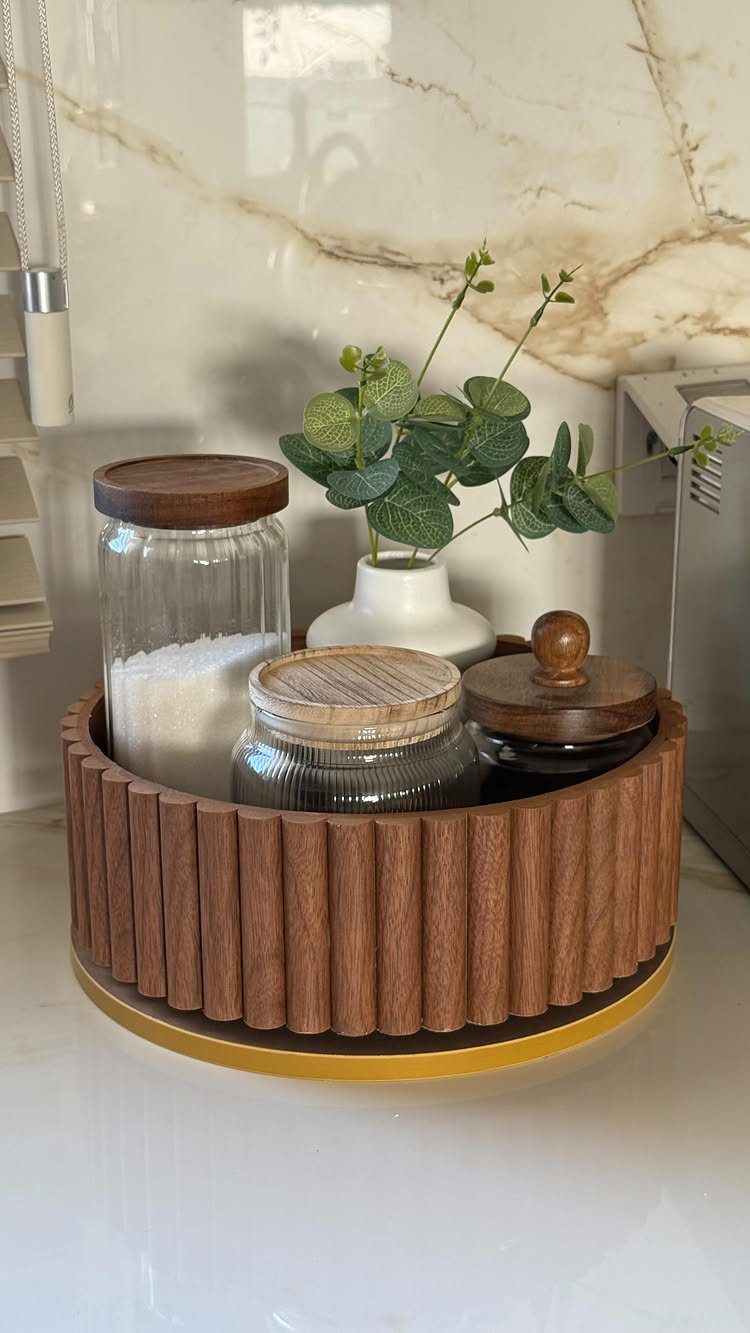
A fluted wood turntable spins jars and a small vase within arm’s reach on a counter that would otherwise sprawl.
The diameter matters: the size that fills most standard cabinets without sticking stops the spinning, so measure your shelf depth first.
I would reserve this for items you grab daily; deep storage belongs on fixed shelves where it cannot migrate to the back and hide. Oil the wood yearly or water rings from wet jars gray the finish.
11. Extendable Table with Built-In Storage
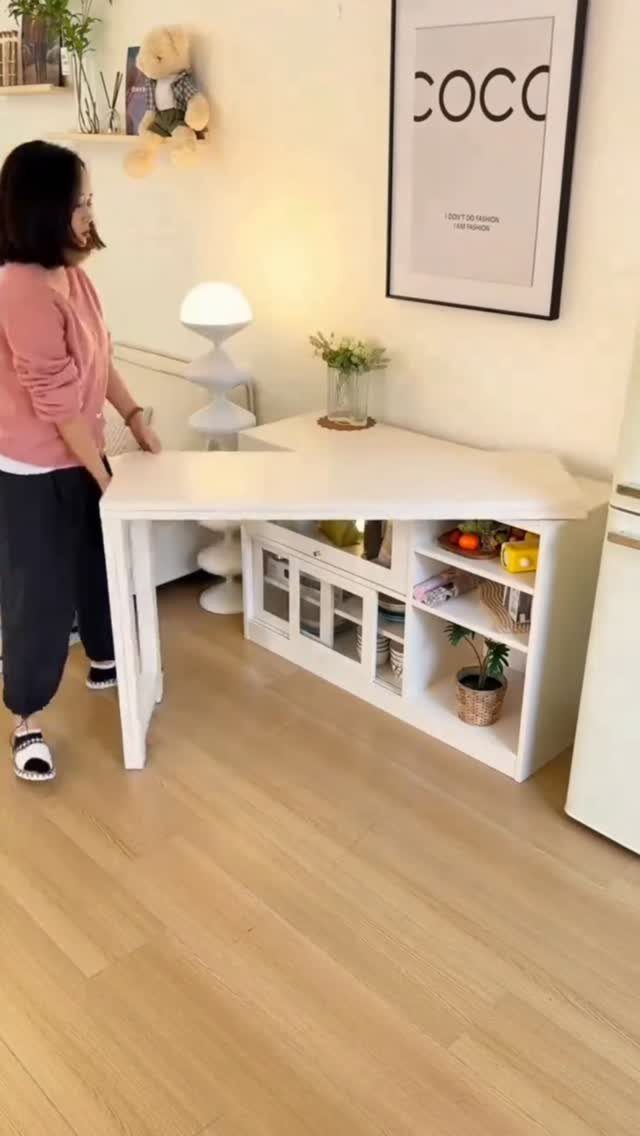
A white desk that pulls out on one side and shelves on the other reshapes from console to workspace in seconds.
The extension leaf stores inside or underneath; check that the glide survives repeated pulls before you commit.
Open shelves beside closed cabinets let you hide cables and display books on the same unit. I would anchor this to the wall even fully retracted; the load shifts when extended and tips easier than it looks.
12. Overhead Ceiling Hanging Shelving
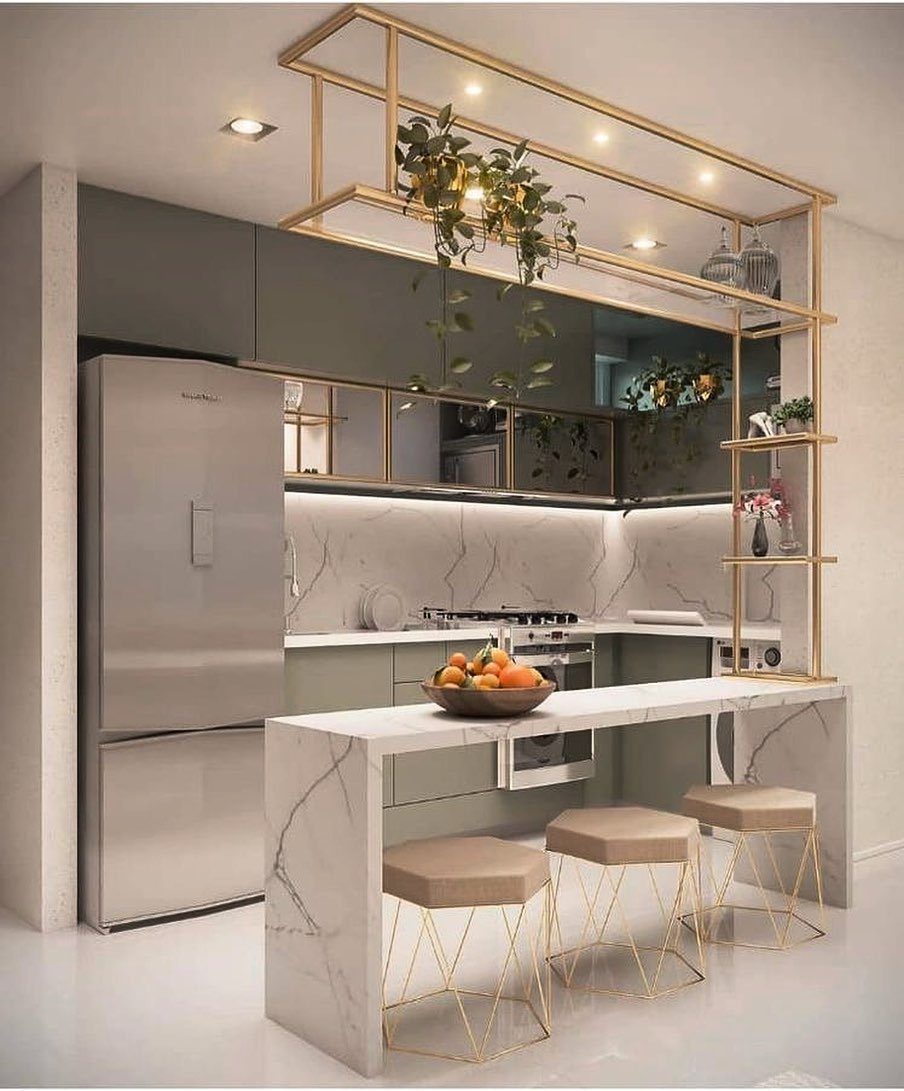
Threaded rod and a metal frame hung from ceiling hooks make a shelf that claims air above a counter, not floor below it.
The hardware carries the weight, not the ceiling plaster; find a joist or use toggle bolts rated for double the load you plan.
I like brass or gold for kitchens with warm tones; raw steel rusts from steam and reads garage. Leave enough headroom that a tall guest does not knock a plant into their coffee.
13. Wall Mounted Wire Basket Racks
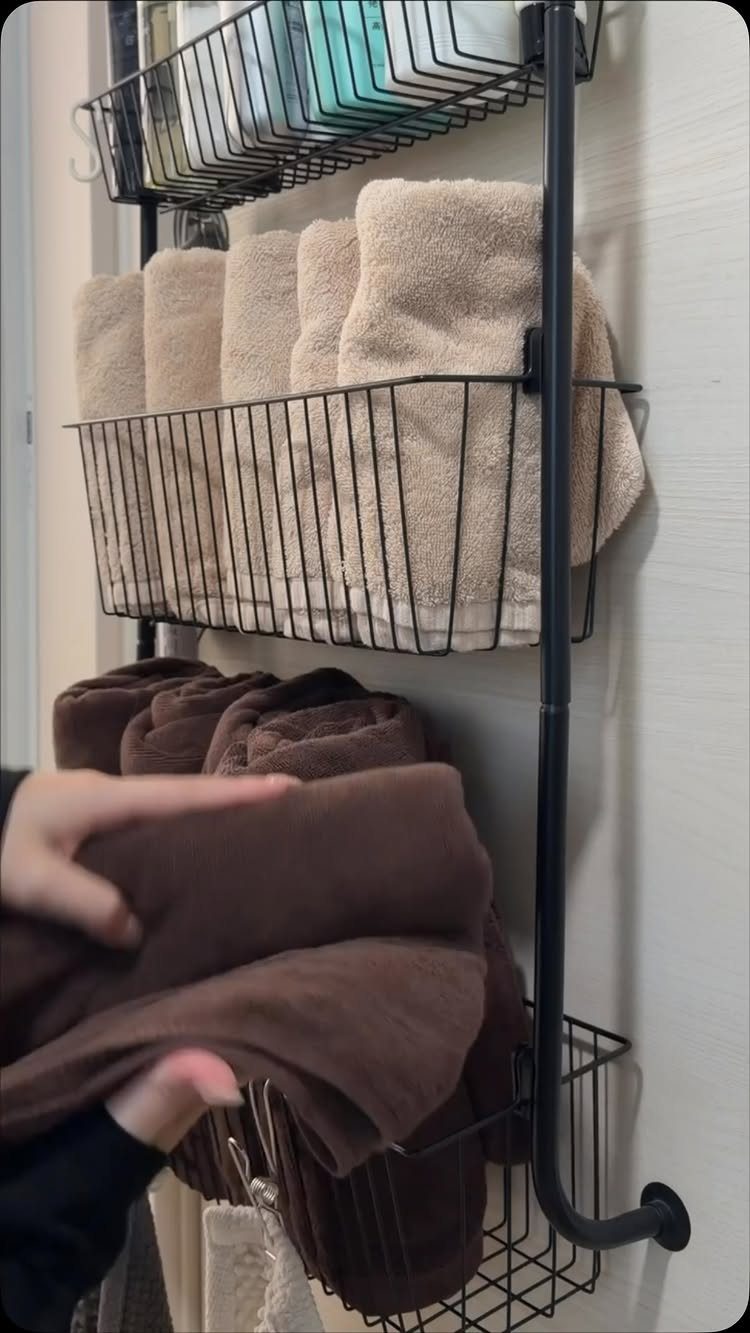
A wall-mounted wire basket rack stores towels and bottles in the gap between a vanity and the shower that most bathrooms waste.
Black powder-coated wire resists the humidity that rusts chrome in a year.
Mount it into studs or use anchors rated for tile; the weight adds up once damp towels go in. Leave clearance above the top basket or you will bump it every time you reach for a light switch.
14. Tall Narrow Shelving Units
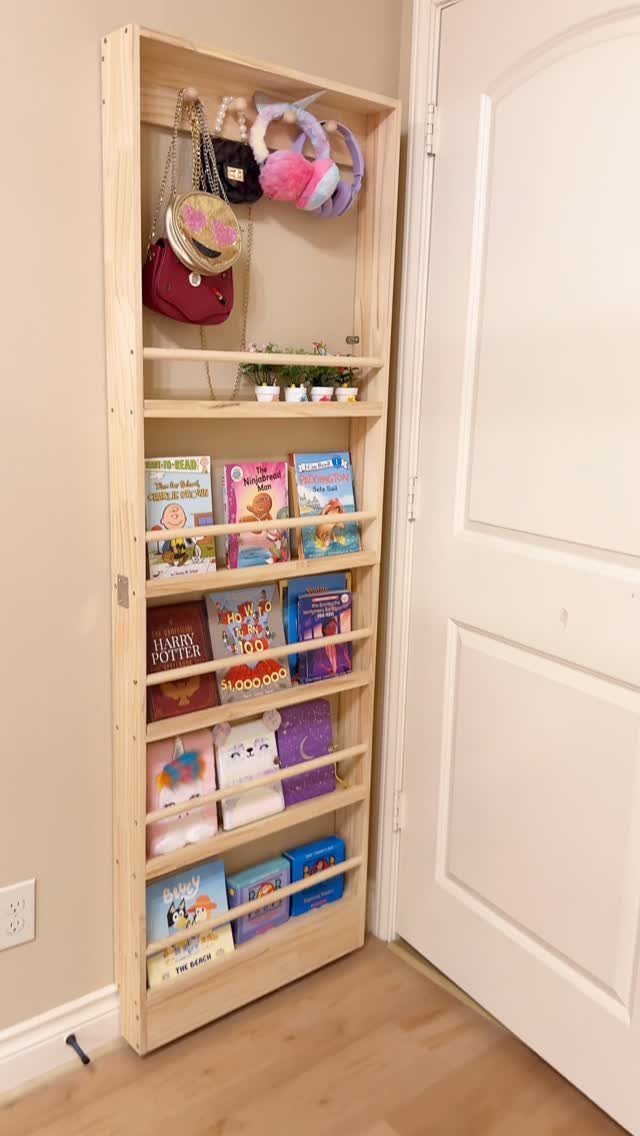
A tower less than a foot deep fits beside a door without blocking swing, holding books, plants and bags in air that would otherwise stay bare.
I like solid wood for this spot because particleboard warps when a watering can drips or a wet umbrella leans against it.
The bottom 2 shelves suit heavy items; the narrow top ones are best for paperbacks and lightweight display. Anchor it even if it seems stable; a child pulling to stand tips an unfastened unit fast.
Declutter Before You Organize
I sort everything into 4 piles: what stays, what goes to donation, what gets trashed, and what belongs in another room.
I would tackle one drawer or shelf at a time; the whole closet is too much room to face at once.
Rolling clothes and standing them side by side in drawer cubes beats stacking.
You see everything at once and nothing buries under something else. This works for the outfits you actually wear, not the purge itself: the 4 boxes handle what leaves, the cubes handle what stays.
Smart Shopping for Storage Solutions
IKEA’s college-focused line and online marketplaces like Amazon’s Home section carry most of what a small apartment needs without shipping fees eating the budget. Thrift stores and vintage finds suit specific spaces store stock won’t fit.
DIY painted crates or custom shelves cost less and size exactly to your spot, but need planning to stay renter-friendly.
Store-bought pieces install faster and look finished sooner. I would go DIY for odd gaps the KALLAX line won’t fill, and store-bought for anything that needs to sit straight and hold weight the first time.
When your space is lacking, well, actual space, finding creative storage ideas comes with the (shoe box-sized) territory—if you don’t want to simply get rid of all your stuff, that is.





