
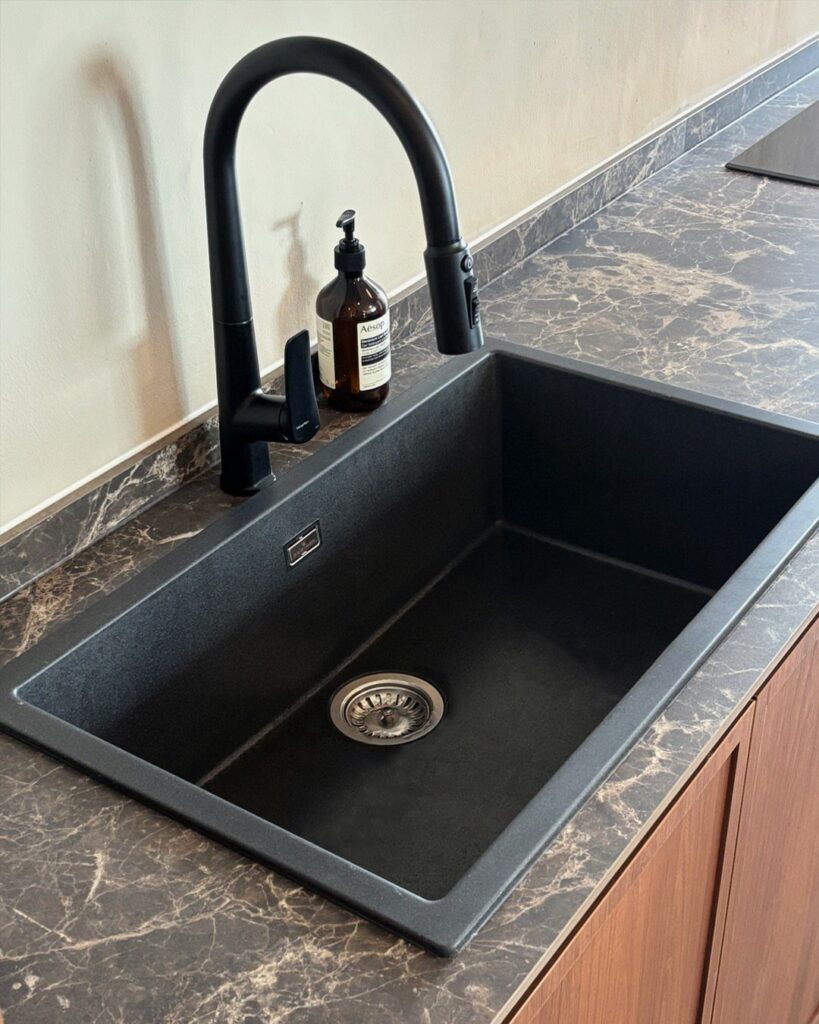
Kitchen sinks on this list run from a basic stainless swap a renter can finish in an afternoon to an integrated quartz unit that ships as one carved slab.
The right choice comes down to how you actually use the space: sheet pans every night pull toward a single deep basin, while 2 cooks at prep time need the split bowl.
A 304 stamp and an 18-gauge label separate the sinks that survive real wear from the ones that ring when a pot drops in.
[link-whisper-related-posts]1. Undermount Sinks
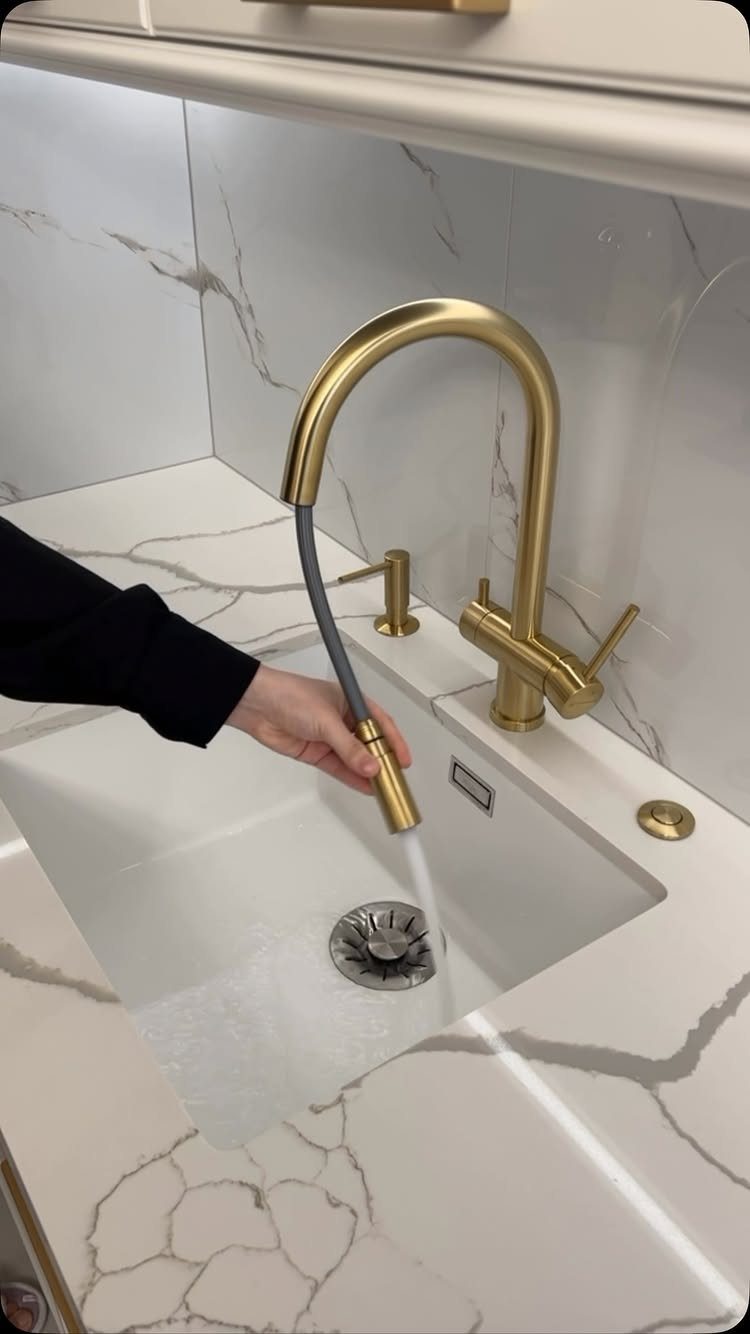
An undermount sink drops in from below so the counter edge stays clean and continuous. I like this look with stone counters where the surface itself matters, because crumbs wipe straight into the bowl without catching on a rim.
It asks for a solid counter material, not laminate; quartz or granite gives you that finished edge.
Installation costs more than a top-mount drop-in since the cutout must be exact, but for a kitchen you use every day, the easier cleanup pays back the difference.
2. Farmhouse Sinks
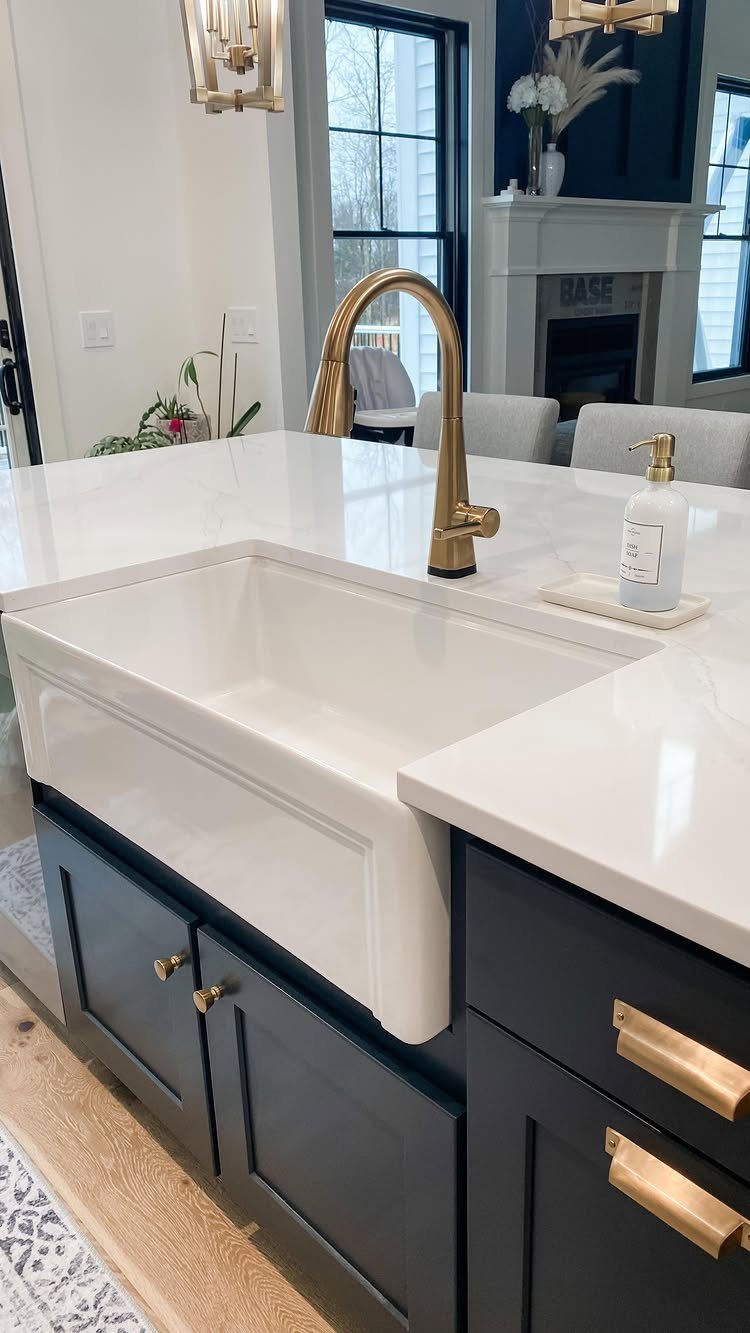
The farmhouse sink claims cabinet depth with its exposed apron front, and that single deep basin swallows sheet pans and mixing bowls without negotiation.
Storage underneath takes the hit: the front panel eats drawer space you’d otherwise have for towels or bins.
I would put this in a kitchen where the island faces the room and the sink becomes a visual anchor, not tucked against a wall where no one sees it.
Fireclay or cast iron runs heavy, so base cabinet reinforcement comes first, not after.
3. Granite Composite Sinks
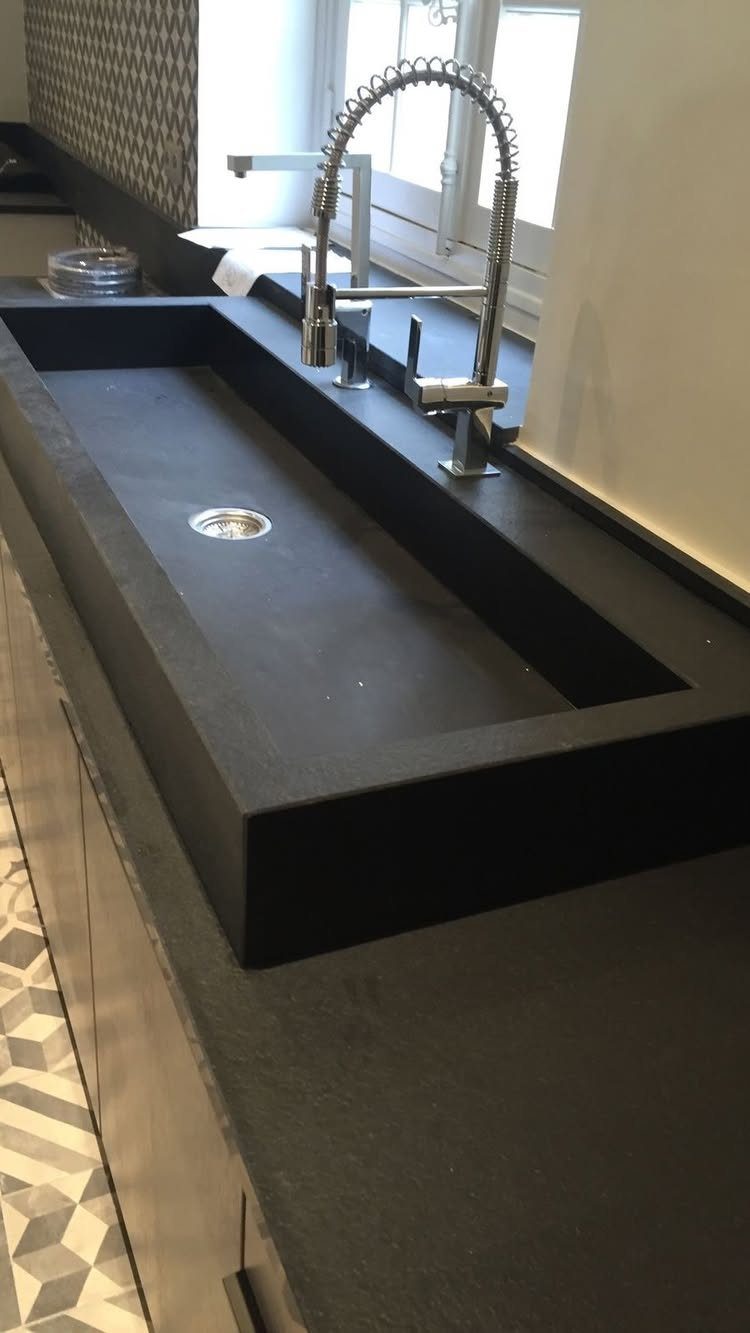
Granite composite mixes stone dust with acrylic resin into a matte finish that does not show water spots like polished stainless does. I prefer the darker colors; lighter shades in this material can read plasticky in some lights.
The surface stands up to real heat and resists chips better than cast iron or enamel, though dropping a heavy pot edge-first can still mark it.
Expect to pay above a basic stainless unit, but in the same price band as mid-grade fireclay farmhouse styles.
4. Double-Bowl Sink
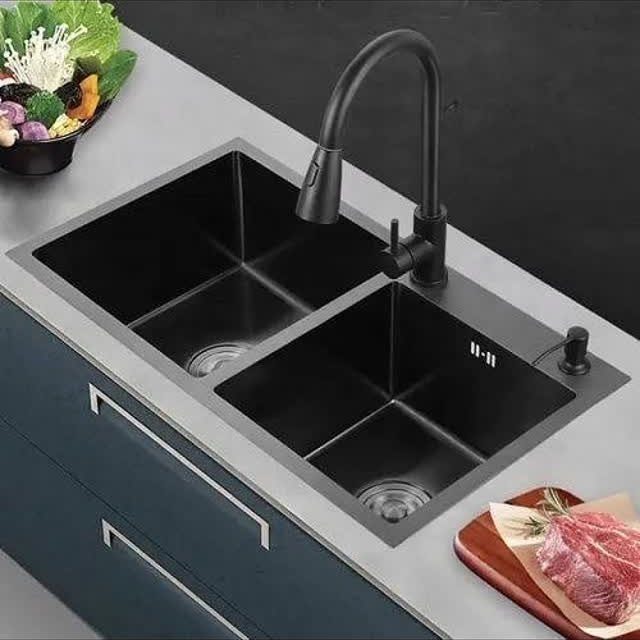
Two basins let one side soak while the other drains, or one person rinse vegetables while another stacks dishes. The divider costs you usable width; a standard double bowl leaves 2 narrow tubs, and a turkey roaster fits in neither.
I would choose this for a kitchen where 2 cooks actually overlap at prep time, not for the idea of it.
The Equal split works for shared tasks; a 60/40 or 70/30 split keeps one large field for trays while preserving a smaller rinse zone. Match the faucet to the width: a short spout leaves one basin dry.
5. Single-Bowl Sink
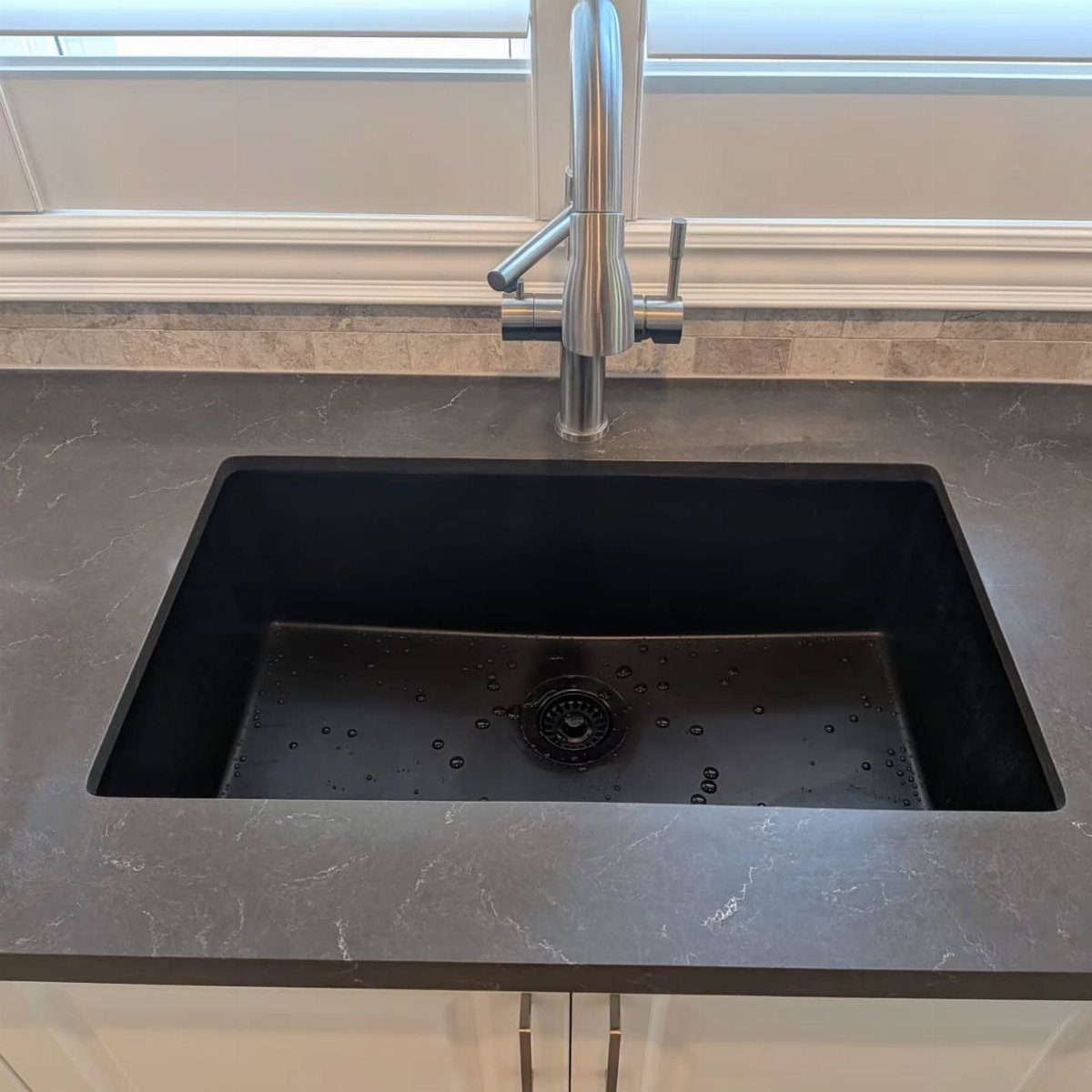
A single bowl gives you one flat floor wide enough to lay a cookie sheet flat or wash a stockpot without angling.
Compact models work in tight kitchens, but I have seen these run large in open kitchens where the sink doubles as a work surface.
Without a divider, you lose the built-in sorting; a dishpan or a fitted silicone mat creates temporary zones as needed.
This suits renters doing a swap on existing counter cutouts since the single rectangle matches most standard openings without cabinet modification. For the price of a basic stainless unit, you gain function the double bowl sometimes splits too fine.
6. Integrated Sink
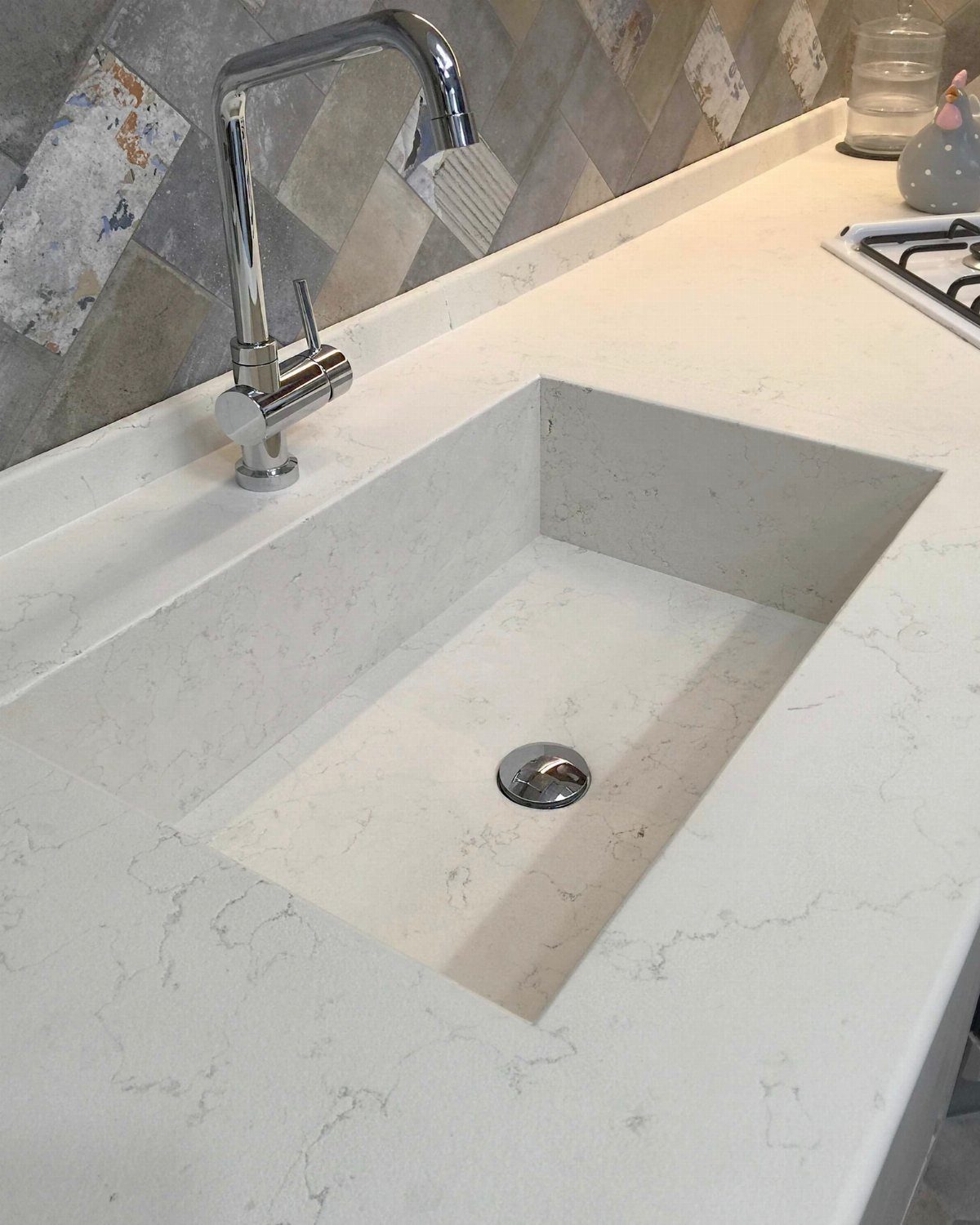
Integrated sinks fabricate from the same quartz slab as the counter, so there is no seam, no lip, no place for grime to lodge.
The fabricator routs the bowl from the sheet and joins it with imperceptible seams at the corners, then polishes the interior to match the top.
I would budget this only with a full counter replacement, not as a retrofit; the sink and counter must be cut as one piece.
Drain placement requires planning with the fabricator before the cut begins, since you cannot shift it later without starting over.
7. Flush-Mount Sinks
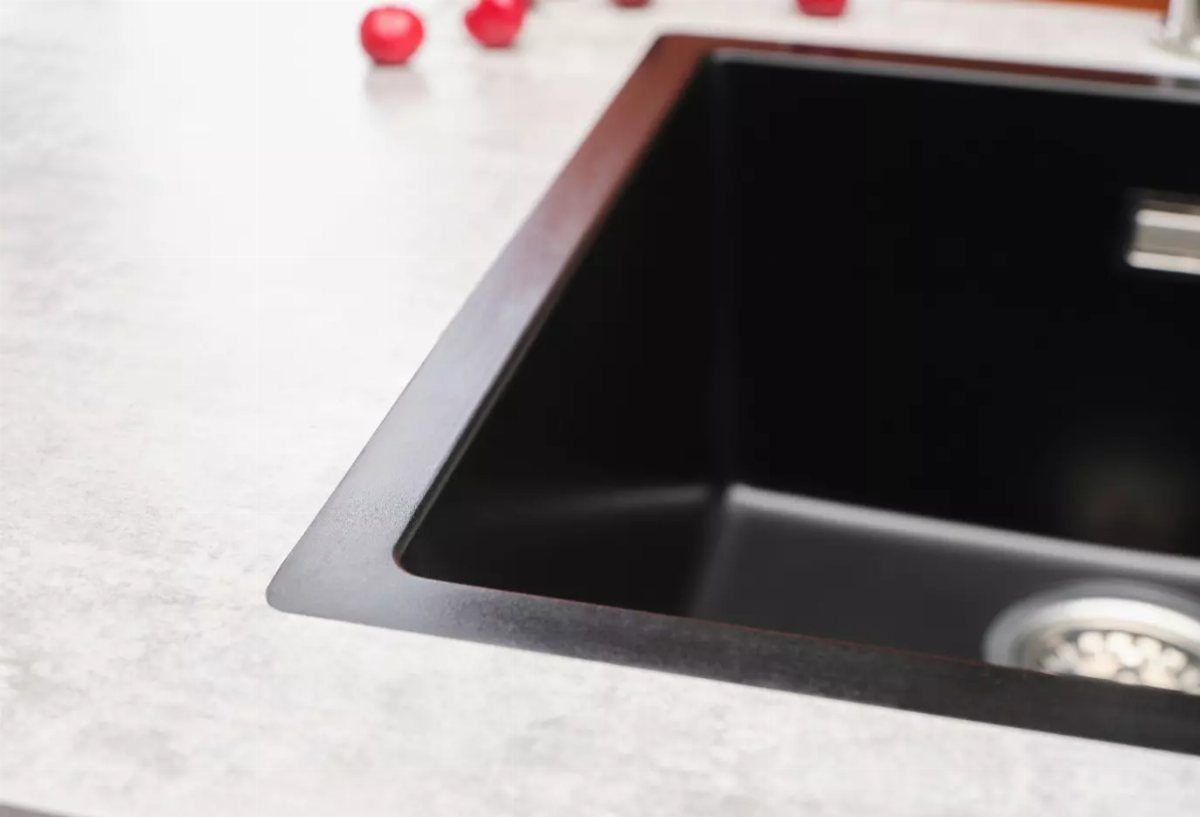
A flush-mount sink sits level with the counter surface so no lip breaks the plane; the edge runs as one continuous face.
I would choose this for stone or concrete counters where the visual flatness matters more than the install speed.
Adhesive and support brackets from below replace the dropped rim, so the fabricator’s cut must stay within a sixteenth of an inch. The trade is repair access; if the seal fails, you pull the sink, not just recaulk a rim.
8. Stainless Steel Sinks

Stainless steel gauges run from 16 to 22, and lower numbers mean thicker metal that quiets water impact and resists denting. I look for 18-gauge or below in a kitchen that sees daily pots and pans; thinner walls ring and flex.
Satin or brushed finishes hide scratches better than polished, and sound-deadening pads on the underside cost little but matter on open-plan homes where the kitchen sits near the living space.
Heat, bleach, and dropped cutlery leave marks over years; that patina reads as use, not failure, and the material outlasts most cabinets it sits in.
9. Workstation Sinks

A workstation sink builds in ledges for cutting boards, colanders, and drying racks that slide on tracks above the basin; prep happens without clearing counter space.
Dark stainless units often have SUS304 stamped on the rim, the grade that resists salt and acid corrosion in actual use.
I would measure my biggest sheet pan against the basin before buying; the accessories shrink the working field. Tall faucets with pull-down sprays pair better than goosenecks here, since the ledges sit below the spout arc.
10. Hammered Copper Sinks
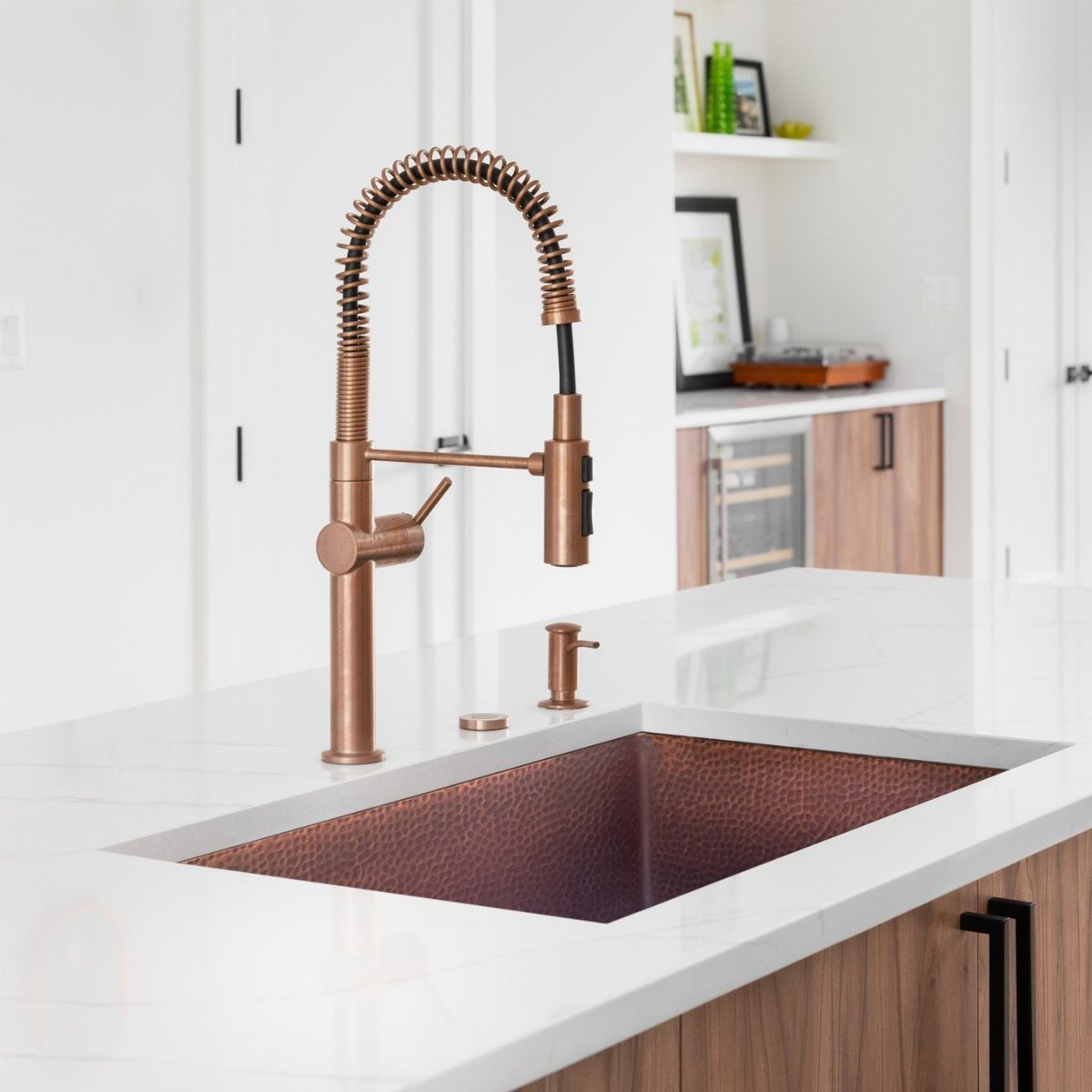
Hammered copper starts bright salmon and settles to a mottled brown-patina that no 2 sinks age the same; the hand-worked texture hides water spots and minor scratches that would show on smooth metal.
I like this for kitchens with wood tones and warm light, though the hammered finish can work in a white space if you carry that warmth into the hardware and fixtures around it.
Living finish means no harsh chemical cleaners; mild soap and drying after use slow the color shift.
Expect to pay above stainless, closer to fireclay farmhouse pricing, and order the faucet from the same source if you want the tone matched.
11. Smart Kitchen Sinks

Digital readouts, glass rinsers, and multiple water streams show up on gold-toned units; the technology concentrates at the faucet and rim, not the basin itself.
I would ask what happens when a sensor fails or the control board gets wet, since replacement parts for proprietary systems can be impossible to find.
The functions themselves are useful: measured fills, temperature presets, and hands-on rinsing for barware. Budget this as appliance money, not fixture money; the price lands closer to a mid-range dishwasher than to a standard faucet and sink pair.
12. Corner Sinks
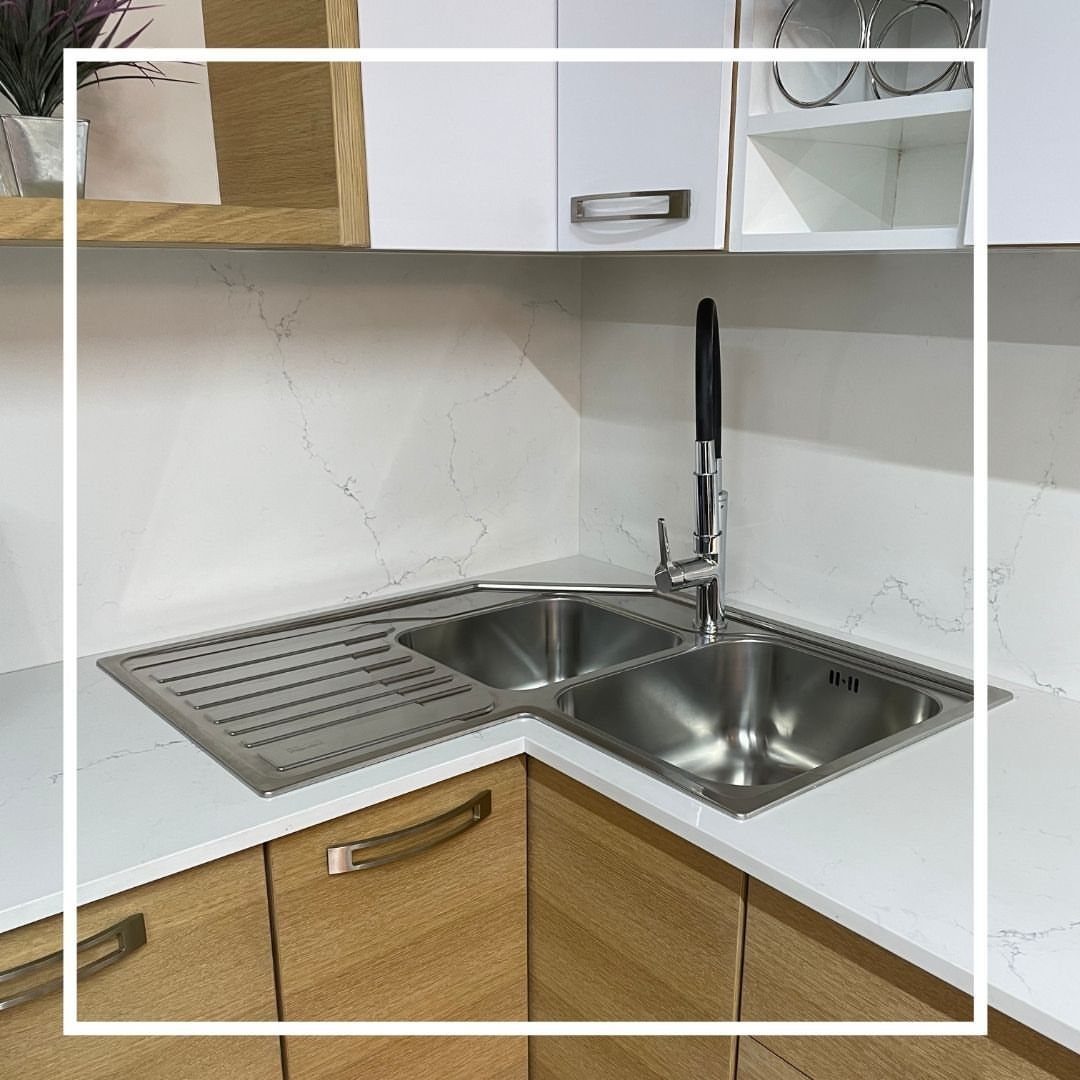
An L-shaped double bowl turns dead corner cabinet space into active prep area, with the drainboard angled to catch runoff from either side.
The trade is reach; cabinets in the return become deep blind corners unless you add a carousel or drawer pullout.
I would place this only where the kitchen layout genuinely forces the sink to a corner, not for the novelty; standard base cabinet widths do not apply, so the whole run gets built around the sink.
Stainless steel handles the custom angles better than cast materials that must be molded.
Choosing the Right Sink Material
Fireclay and porcelain sit at the other end. They look sharp but need a softer touch; I would factor in that extra attention before committing.
If you are in the kitchen nightly with sheet pans and stockpots, your habits should pull more weight than the showroom photo. A quiet composite or a secondary prep sink cuts the noise when guests lean against the island.
Someone who preps there too might want ledges for boards and colanders. Pick the material after you have mapped the workflow, not before.
Whether lined with a cool copper base or swathed in a fiery burst of orange, the kitchen sinks ahead will inspire you to rethink the norm.
— Domino
Installation Types for Kitchen Sinks
Undermount and flush-mount share the cleaner edge, both asking more precision from the cut and more labor cost up front.
An integrated sink and countertop come as one continuous piece, so if either the basin or the surface cracks or stains beyond repair, you must replace the entire unit together.
Existing stone counters make these flush styles a nightmare to retrofit; the cut tolerances sit inside a sixteenth of an inch, and the drain location gets locked in before the saw switches on.
Maintenance Tips for Kitchen Sinks
Daily care changes with the surface. Stainless steel takes mild soap, a soft cloth, and a dry pass after; skip the steel wool or abrasive powders.
Fireclay needs only gentle dish soap for the run of the week, but a baking soda paste left a few minutes lifts the tougher marks.
Copper, not mentioned in the usual maintenance guides, lives: no chemicals, dry after use, and accept that the color keeps shifting.
The mounting seams and drain assembly reward a regular look; debris collects there first and the fix is faster than calling a clog later.
Frequently Asked Questions
Which is the best type of kitchen sink?
I look at how the kitchen actually gets used, not how pretty the display model looks.
If you prep with sheet pans and stockpots often, a single bowl or a workstation with ledges for boards and colanders keeps you from clearing counter space.
Someone who splits tasks with another cook might need a double bowl, but the divider costs width you might miss later.
What are the different types of kitchen sink installation styles?
Drop-in sinks sit on top of the counter with their rim showing; a plumber can swap one in an afternoon for a couple hundred dollars.
What is the most popular kitchen sink trend in 2026?
Workstation sinks lead right now because the built-in ledges for boards, colanders, and drying racks reclaim counter area in kitchens that keep shrinking.
Granite composite in matte charcoal is the material trend that pairs with it, offering heat resistance and a surface that does not telegraph every droplet.
Both answer the same shift: kitchens as visible, multi-use spaces where every inch earns its keep.





