
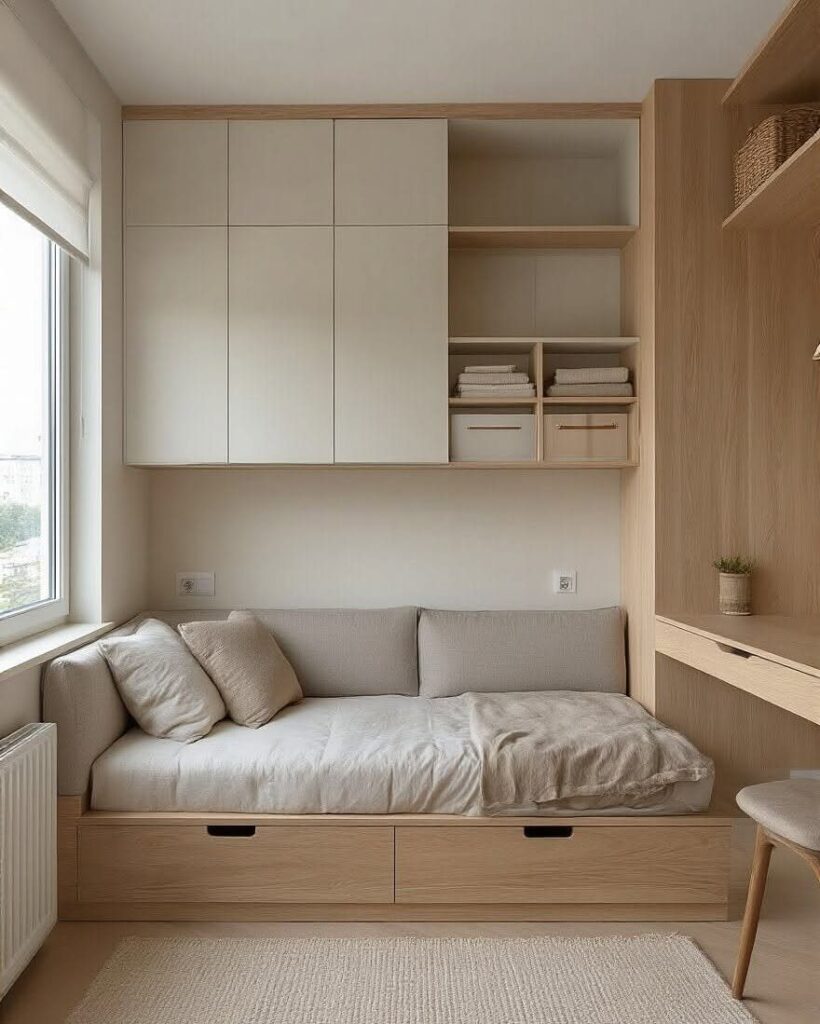
The ideas below start with Command hooks and run to a slim sofa, and most land somewhere in between.
If you rent, your lease language decides the idea, not your taste: Command hooks and over-toilet shelves that need no holes move to the top of your list, while pegboard or floating shelves that leave marks move to the bottom.
I would start with the over-door racks and toilet-spanning shelves, both metal and both zero-drill, since they gain storage in the two most crowded rooms without a single hole to spackle later.
[link-whisper-related-posts]1. Utilize Vertical Space
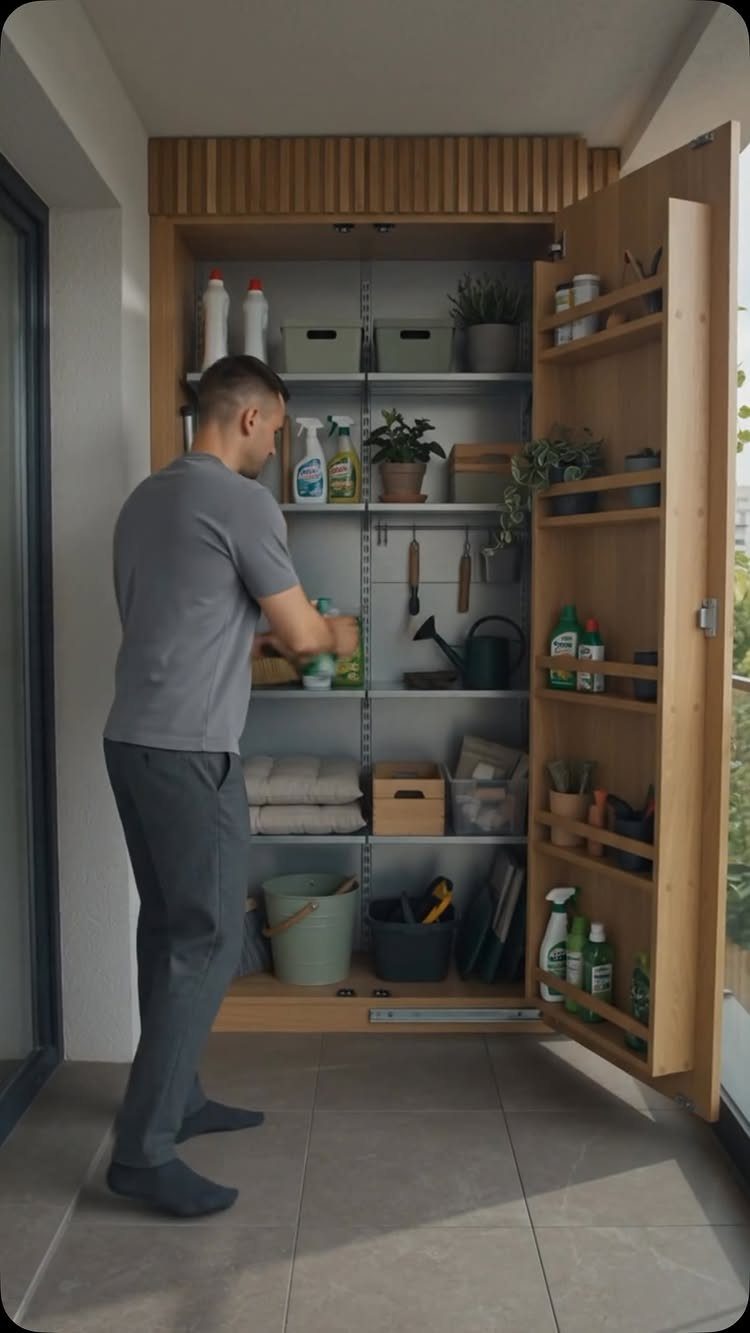
A floor-to-ceiling cabinet turns dead wall into storage without eating floor space. renters particularly need this because lease terms rarely let you add built-ins; freestanding vertical units move with you and require no holes.
Over-door racks gain inches for cleaning bottles and smaller items that would otherwise clutter shelves, and they need zero installation beyond hooking over the top.
Solid wood runs heavier than laminate but holds more weight per shelf, something to weigh if you plan books or bulk goods.
For a weekend install, anchor tall units to wall studs; rental-friendly tension rods or furniture straps hold lighter loads without drilling.
2. Under-bed Storage
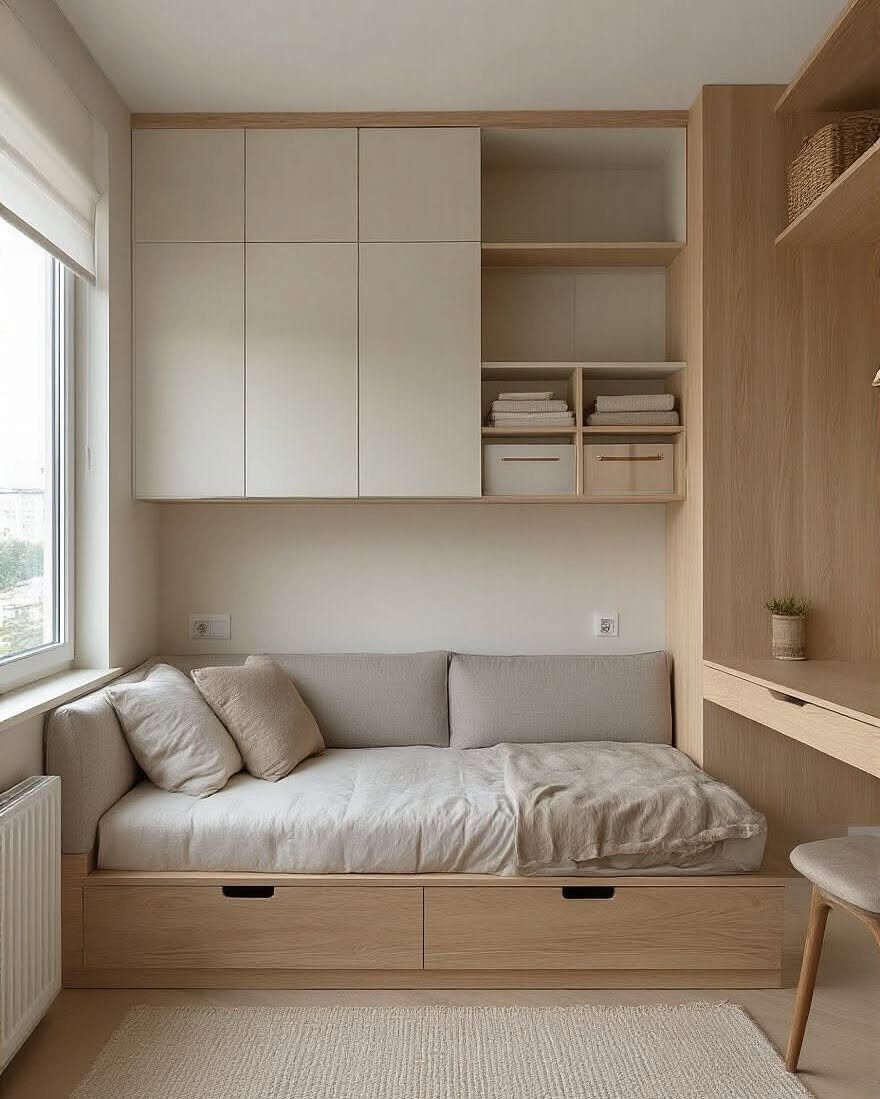
Platform beds with drawers underneath replace the dust-collecting void most of us sleep above. Daybed styles like this one borrow from twin sizing, so standard drawer dimensions fit linens, off-season clothes, or anything bulky that clutters closet rods.
The trade is mattress height: drawers need enough clearance that your sleep surface sits higher than some prefer.
I would add a low-profile mattress and skip the box spring to keep the climb reasonable. No construction needed if you buy ready-made; many flat-pack versions ship in pieces a single person can carry up stairs.
3. Hooks in Entryways
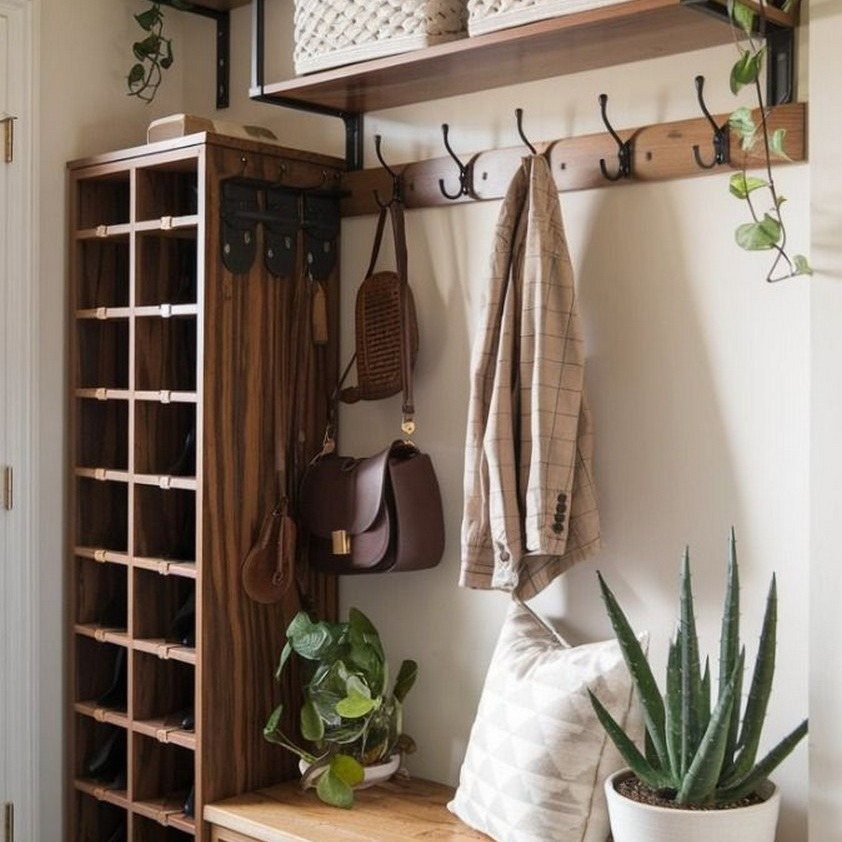
A row of hooks at shoulder height catches what otherwise lands on the nearest chair.
A rack mounted above a bench works well because seating lets you tie shoes while coats settle; without that pairing, hooks still work alone on any wall segment 3 feet or wider.
Narrow entryways gain more from vertical arrangements than horizontal ones, and double hooks hold twice the density if hardware is slim.
Renters worried about wall damage should check whether their lease covers Command strips rated for heavier loads, or plan to spackle pinholes at move-out.
4. Over-the-toilet Storage
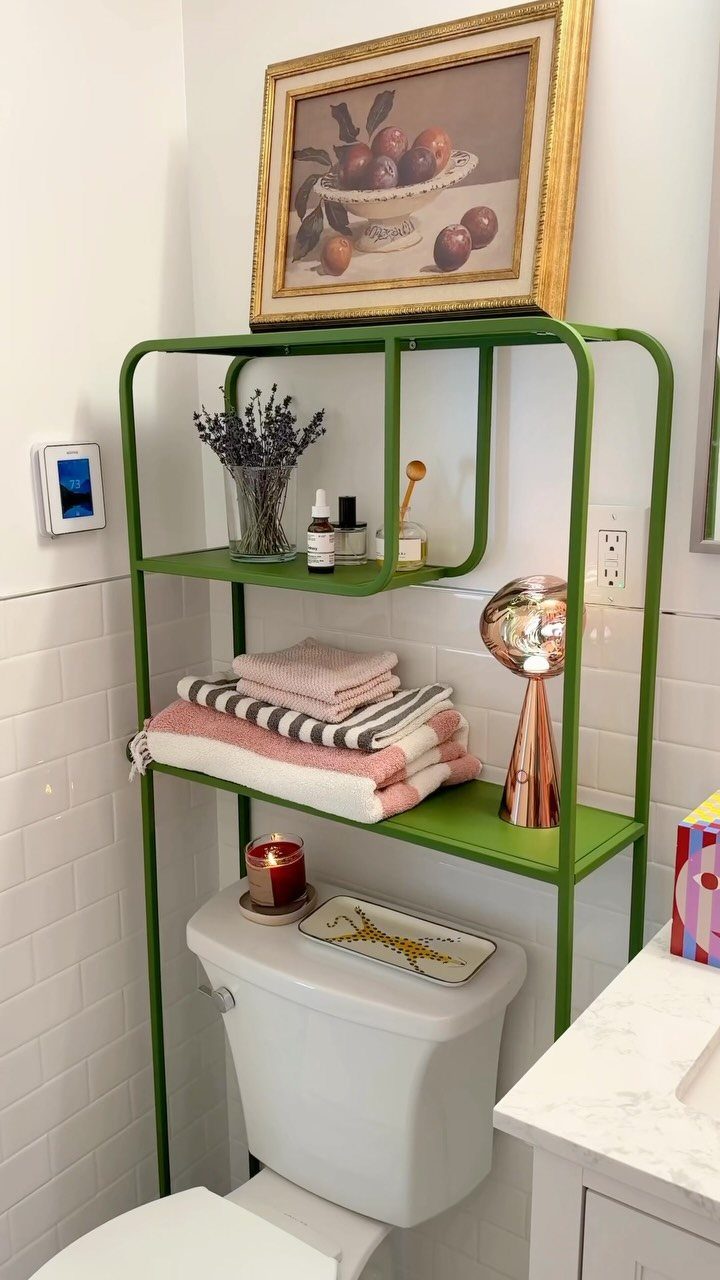
The shelf above a toilet is the last underused vertical foot in most bathrooms.
Metal units span the tank without drilling into tile, a rental win; open sides keep the room from feeling boxed in, which matters when the space is already narrow.
Height clears most standard tanks with room to spare, but measure yours before ordering since comfort-height toilets and bidet attachments vary.
I would reserve the top shelf for light items and display; lower bars hold more weight but risk water splash, so sealed containers protect spare rolls and backup shampoo.
5. Nesting Tables
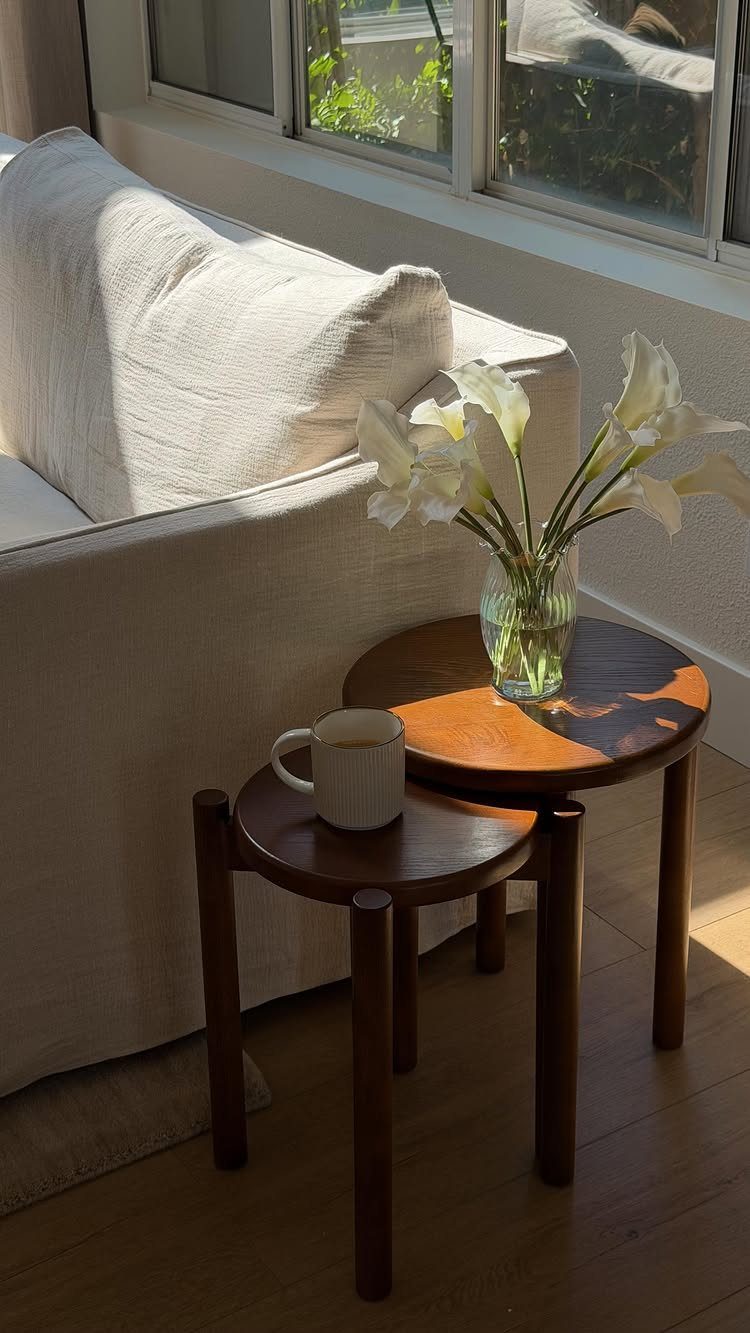
Nesting tables spread when you need surface area and hide when you do not. Nesting tables sit as one slim silhouette beside the sofa, but pull apart for drinks, laptops, or a guest’s plate.
I prefer sets where the smaller table slides out from the same side rather than lifting over the larger; this preserves the clean line and avoids knuckle-scraping.
Most sets take up minimal floor depth when stored, which helps in tight corners between sofa and wall. Wood warms small rooms visually, though metal frames with tray tops clean faster if you eat at yours.
6. Stackable Containers

Clear plastic boxes stacked floor to near-ceiling turn a wall into a column of visible inventory. Front-opening bins let you pull one out without toppling the tower, a problem that starts once you stack more than a few units high.
I would size the box to the contents rather than buy one giant set: shoes need 7-inch height, folded sweaters closer to 12.
Said plainly, uniform sizing looks tidy but wastes air if your stuff varies. Label the short edge if the wall faces a walkway; labels on top are invisible until you pull the stack down.
7. Pegboard for Small Kitchens
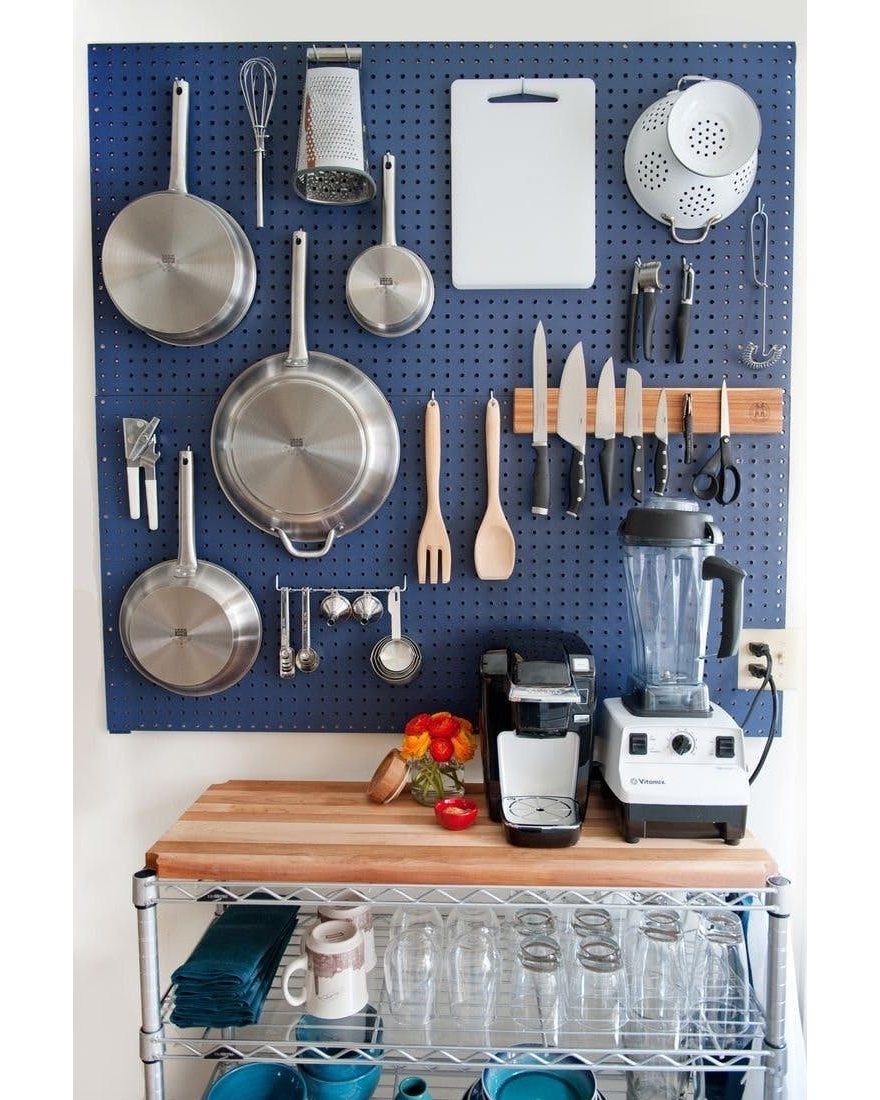
A pegboard turns wall space into hanging storage for pans, tools, and the knife strip you see here.
Julia Child kept one in her kitchen for the same reason: every utensil stays visible and within reach. Metal pegboard holes outlast pressed fiberboard once moisture and grease enter a kitchen environment.
I would size the board to the wall above your prep zone, not the whole kitchen; too large and it becomes visual noise. Pair with a narrow cart below for appliances, and you reclaim countertop without adding cabinets.
8. Floating Shelves
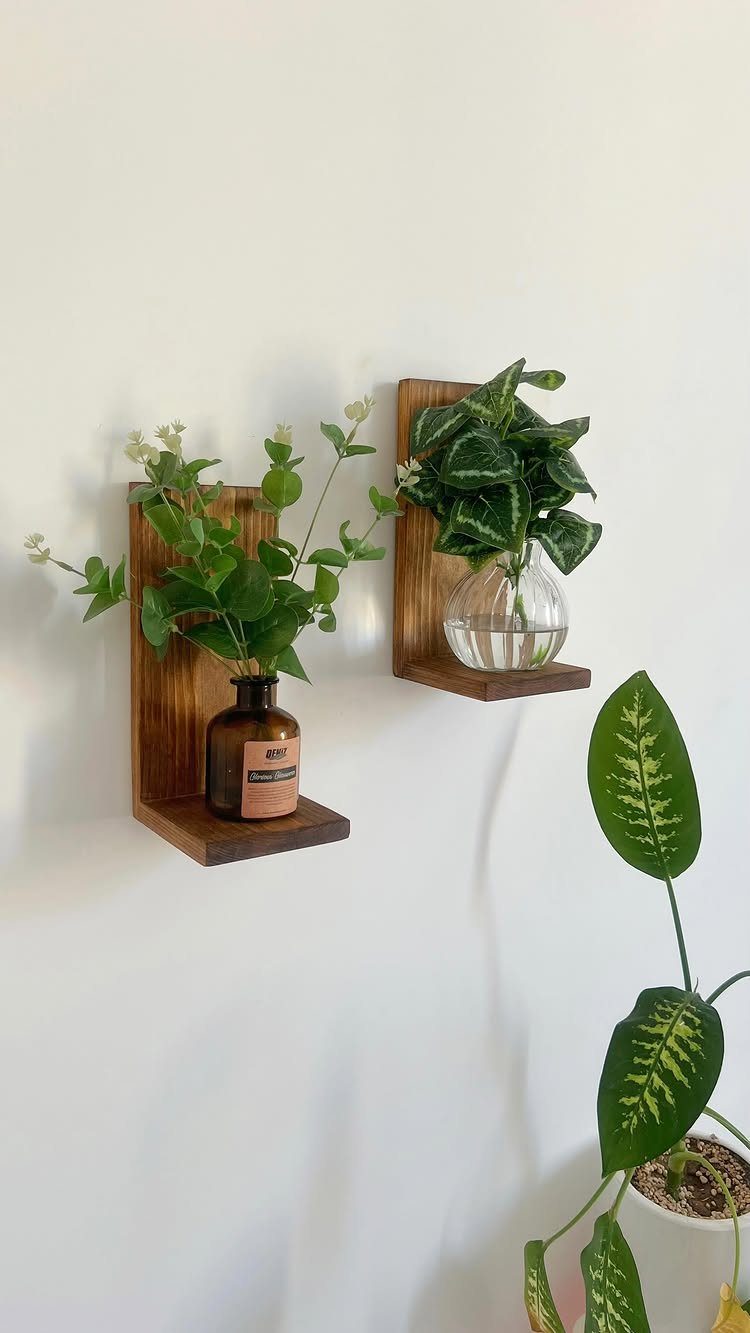
Floating shelves read as wall, not furniture, so a room keeps its air. L-brackets hidden in the shelf thickness let these small ledges carry a vase and clippings without showing hardware.
In rentals, anchor to studs if drilling is permitted; at move-out, a dab of spackle and a coat of touch-up paint erase the evidence.
I keep mine shallow at 4 to 6 inches for display, not storage; anything deeper and they invite clutter that works against the point.
9. Baskets on Shelves
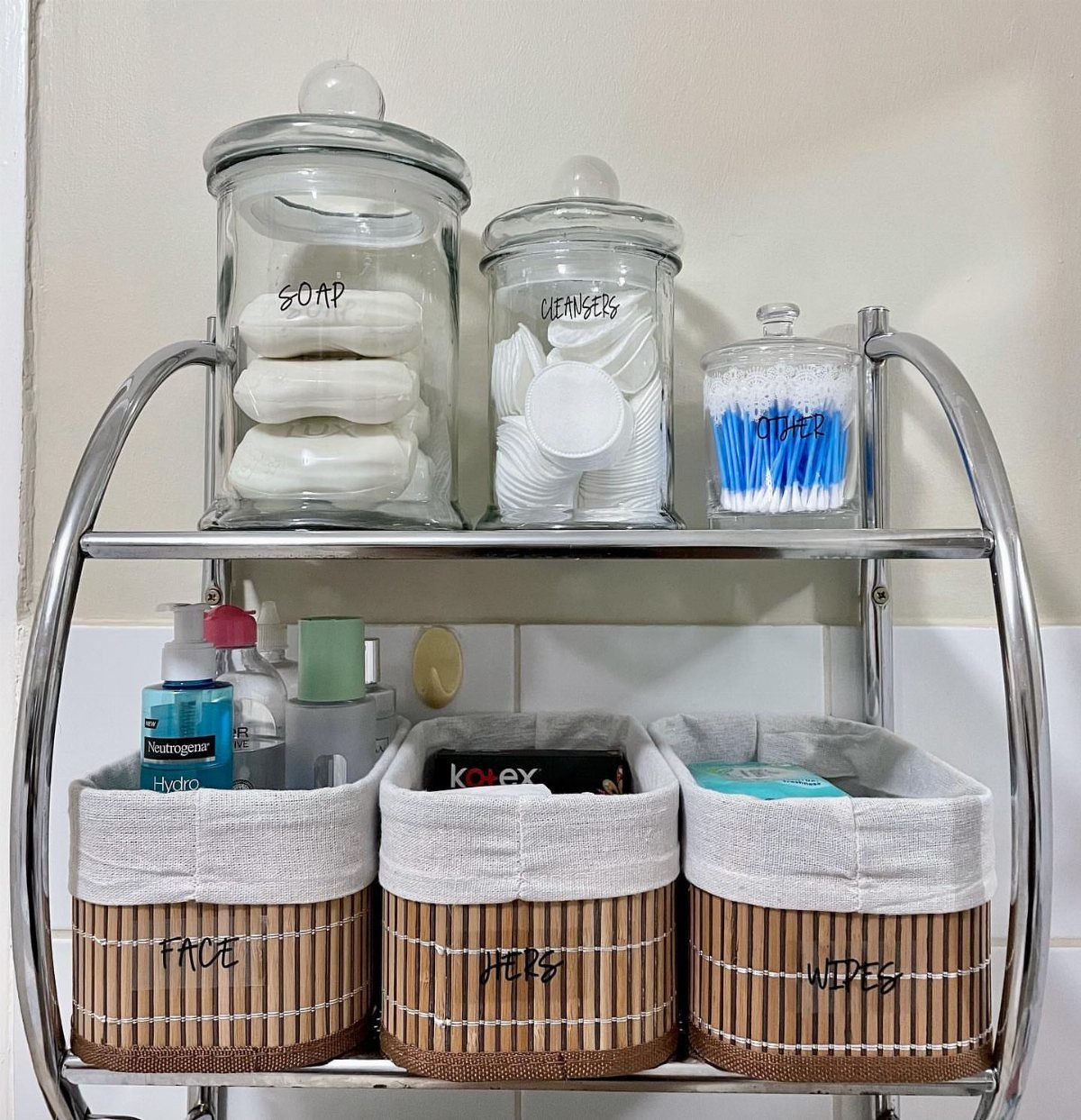
Lined baskets on open shelves hide what you need daily but do not want to look at. Labels on the front face keep retrieval fast; the "FACE," "HERS," "WIPES" system here sorts by person and use without opening a lid.
I would match basket height to shelf spacing so the rim sits flush, not proud, which keeps the line clean. Woven material costs more than plastic but warms a bathroom where most surfaces are hard.
10. Fold-out Desks
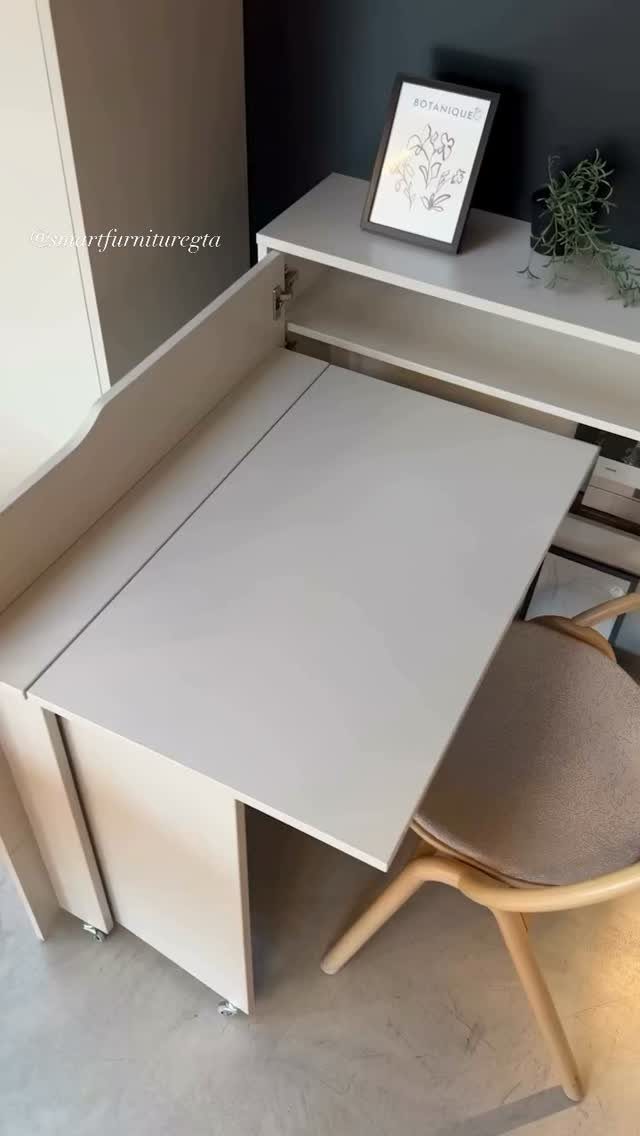
A fold-out desk eats zero floor space until you drop the leaf. The cabinet form here stores supplies behind the same door that becomes your work surface; casters let you roll it against a wall when folded.
I would check that the opened leaf locks flat, a detail cheap versions skip. Paint the interior a shade darker than the room to make the desk feel intentional, not apologetic, when extended.
11. Slim Sofas
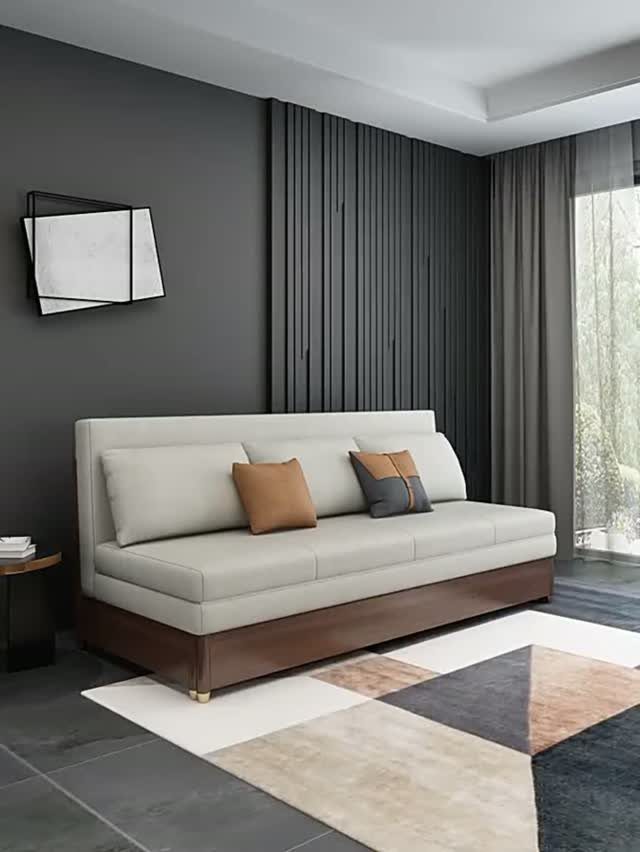
Slim sofas sit closer to 30 inches in depth than the 38 to 40 of standard ones, which buys you a walkway where there was none.
Armless versions like this read lighter visually and fit tight against a wall without the elbow room arms demand.
The trade is lounging: a shallow seat suits sitting upright, not collapsing sideways with a book. I would add one throw pillow for the lower back and stop there; too many and the slim line disappears.
12. Use Light and Mirrors
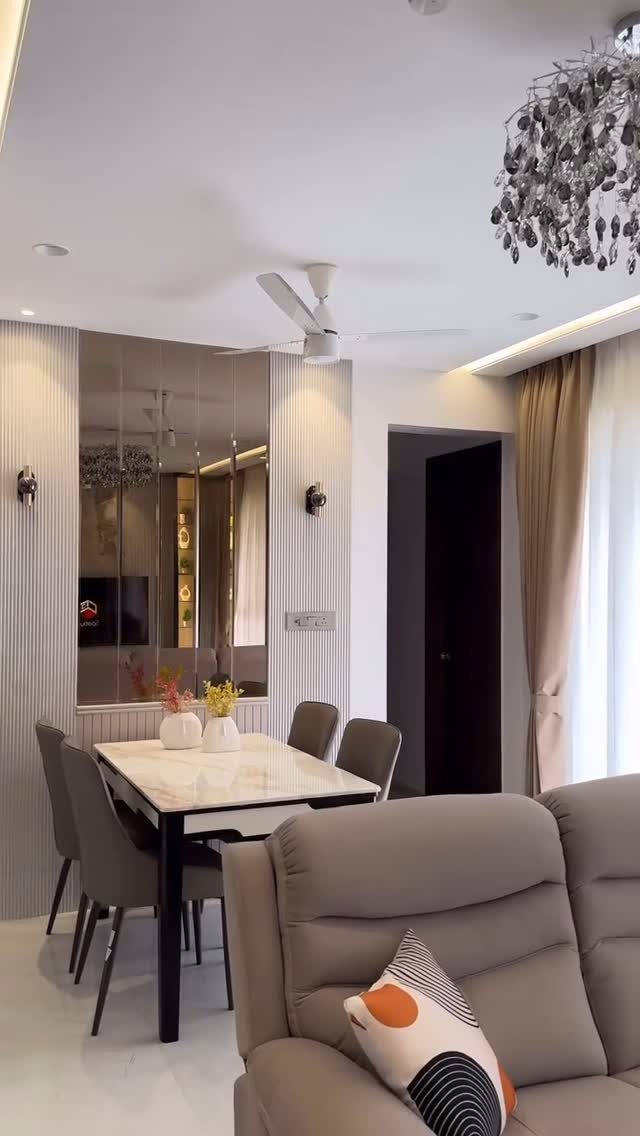
A tall mirror panel beside a dining table doubles the visible room and catches window light you already have. Fluted wall treatment behind the glass here adds shadow and texture so the mirror reads as design, not an afterthought.
Vertical orientation matters more than size: a mirror wide as the table but hung low does less than one that draws the eye up.
I would place it to reflect a light source, not a cluttered corner, or the illusion works in reverse.
13. Shoe Rack
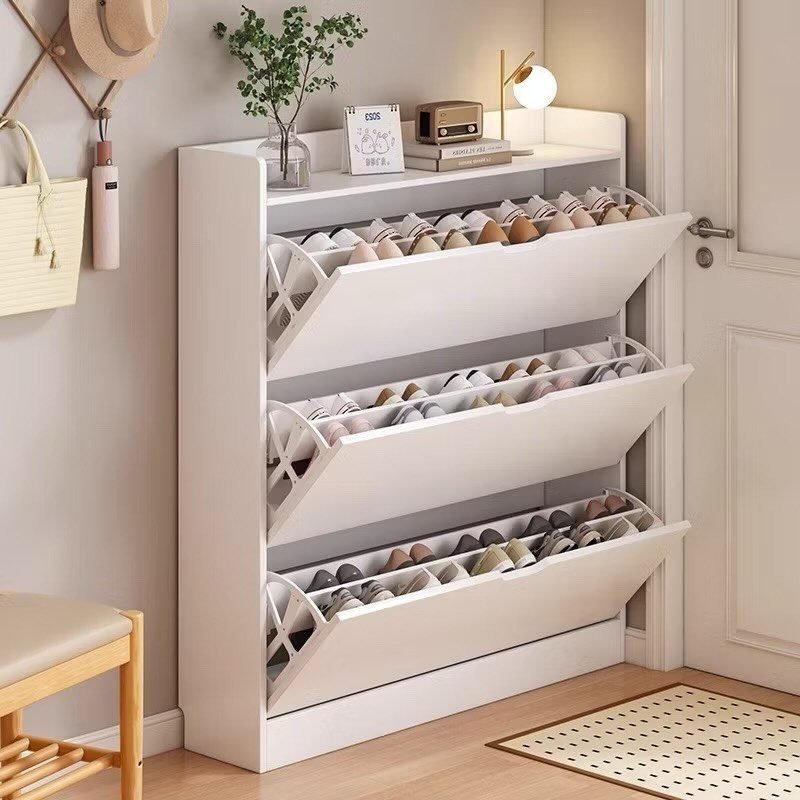
A 6-inch-deep cabinet tilts shoes forward into wall-hugging drawers that read as trim, not furniture. A three-tier version like this handles the pairs you actually wear without projecting into a hallway you already squeeze through.
Tilt-out drawers beat open shelves for apartments because dust settles less visibly and guests see only a flat front.
I would top mine with a tray that corrals keys and mail; the surface is too narrow for much else. Most flat-pack cabinets ship in one box and assemble with a screwdriver faster than you expect.
Painted MDF costs less than wood but swells if wet shoes go in straight from rain; a mat on the floor beside it helps.
Importance of Decluttering
Empty every closet, cabinet, and drawer before you decide what stays. Rearranging around what is already there hides how much space you actually have.
Clothing piles up faster than anything else in a small apartment.
Work through kitchen cabinets for rarely used appliances and duplicate cookware, junk drawers for old chargers and outdated paperwork, and entryway storage for excess shoes and bags.
Decluttering is the foundation. Every storage solution works better once you know what volume of stuff you are actually storing.
Planning Layout
Pulling a sofa flat against the wall or turning a desk to face the window instead of the door changes how the whole room breathes. Even small adjustments change whether a space feels cramped or livable.
If you have no closet, a slim clothing rack fills the gap without the footprint of a wardrobe. In a tiny kitchen, maximizing shelf space matters more than adding furniture that narrows aisles.
Professional organizers who work in tight New York apartments talk about living better with less. Their rule is to let the apartment’s actual daily function guide where things sit, not an imagined perfect arrangement.
Every square foot counts. Place each piece by what you do there, not where a floor plan suggests it belongs.
Frequently Asked Questions
What are the best space saving ideas for small apartments?
Floor-to-ceiling cabinets, over-door racks, and platform beds with drawers underneath. Floor space stays open when storage goes up the wall, and those shelves and hooks come with you when the lease ends.
The gap under most beds pulls double duty with drawers that actually earn their keep instead of trapping dust.
What is a cheaper alternative to a storage unit?
Use the space you already rent. Under-bed drawers, over-the-toilet metal units, and stacked clear containers turn dead zones into storage without a monthly fee or a drive.





