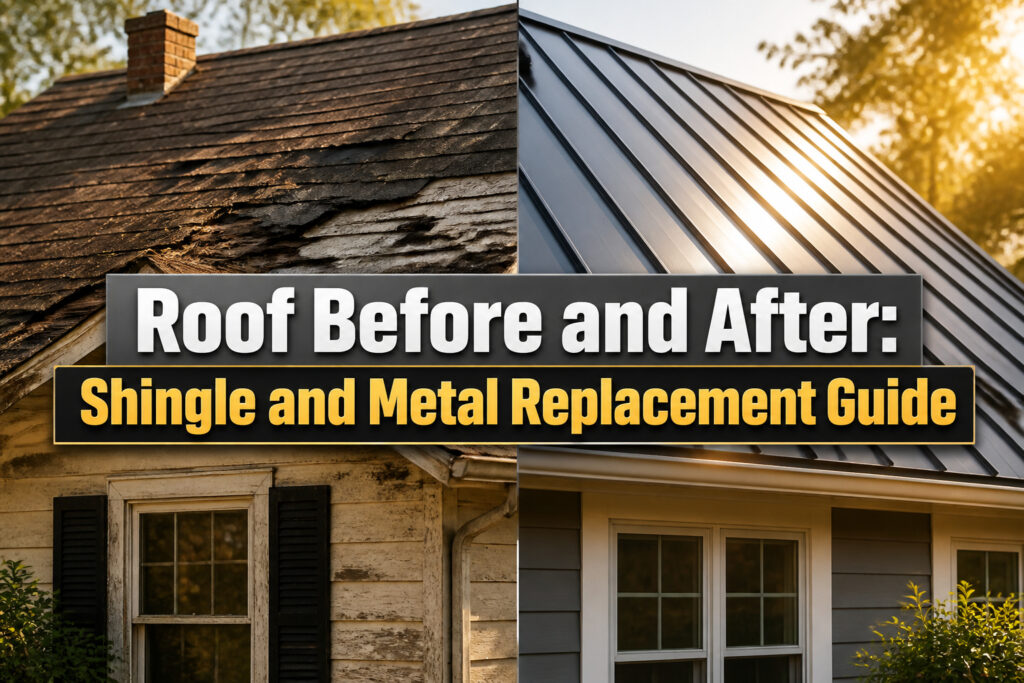
A "roof before and after" is the visible proof of whether your contractor inspected the decking underneath or just laid new shingles over rot. Skip the seam taping and the six-nail-per-shingle standard, and the transformation you photograph for curb appeal becomes a teardown by year five.
[link-whisper-related-posts]Roof Inspection and Preparation
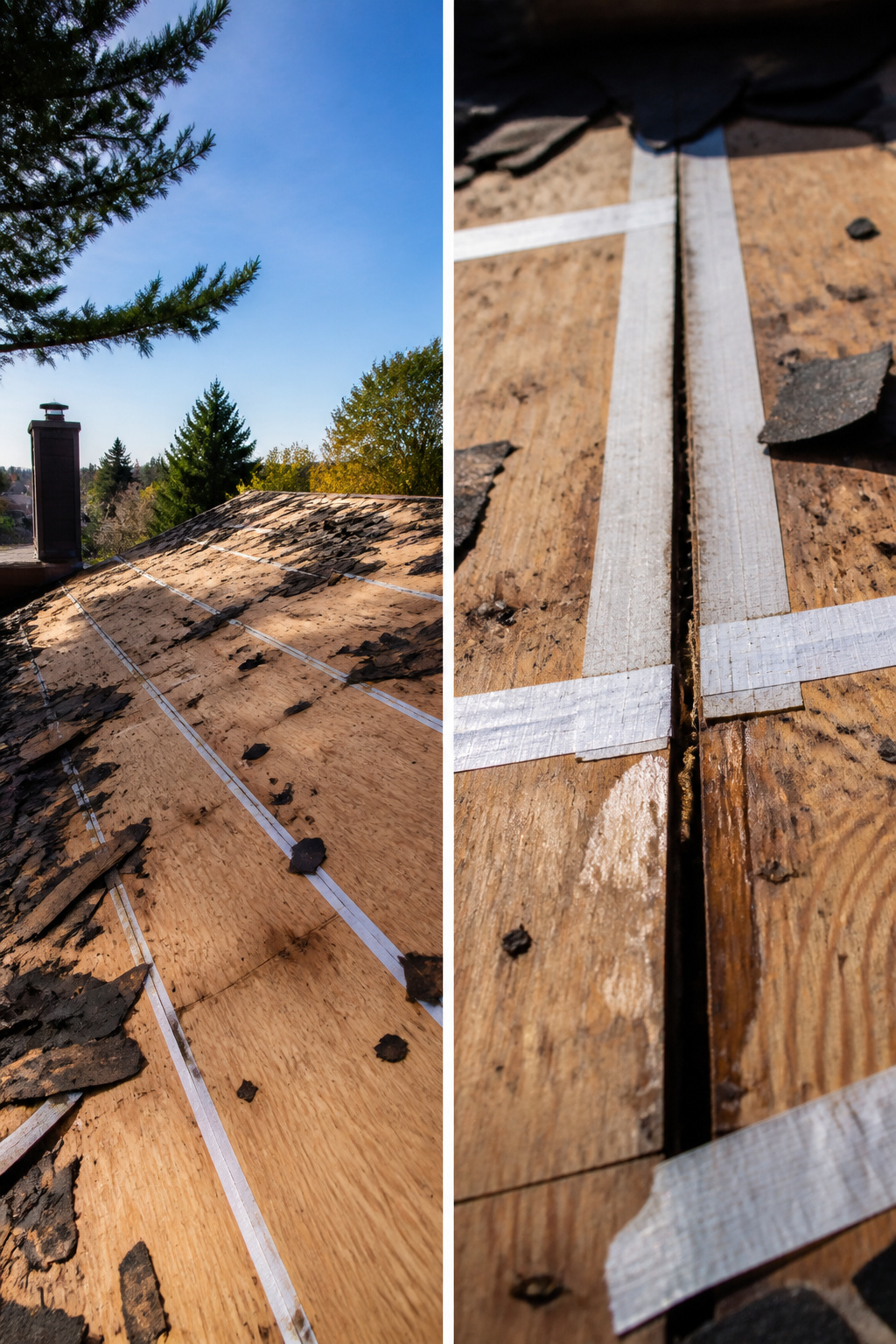
A roof that looks fine from the street can still hide the damage that turns a replacement into a second replacement. One homeowner learned this when contractors peeled back shingles that appeared decent and found decking underneath that had never been properly inspected. The plywood seams gaped, water had crept through, and what should have been a straightforward job became a teardown.
Taping the plywood decking seams is the step that separates a roof that lasts from one that leaks inside of five years. Seams left open channel wind-driven rain straight to the underlayment, and underlayment is not designed to be the primary seal. Contractors who skip this, or who skip the inspection entirely, are gambling with the installation.
The inspection also determines whether the decking itself can carry the new roof. Soft spots, prior water intrusion, or panels that have delaminated need replacement before a single shingle or metal panel goes down. A contractor in a hurry may lay new material over compromised decking and let the homeowner discover the problem later, when the warranty claim begins and ends with "improper substrate." The preparation phase is where the roof before and after either becomes a real transformation or becomes a lawsuit.

MULTI-USE: Perfect for use on metal buildings, trailer/RV roofs and sides, drain pans, drain pipes, boats, canoes. bonds to a wide range of surfaces including roof materials such as EPDM, TPO, Hypalon, aluminum, galvanized steel, wood, and fiberglass.

MULTI-USE: Perfect for use on metal buildings, trailer/RV roofs and sides, drain pans, drain pipes, boats, canoes. bonds to a wide range of surfaces including roof materials such as EPDM, TPO, Hypalon, aluminum, galvanized steel, wood, and fiberglass.
Asphalt Shingle Roof Replacement
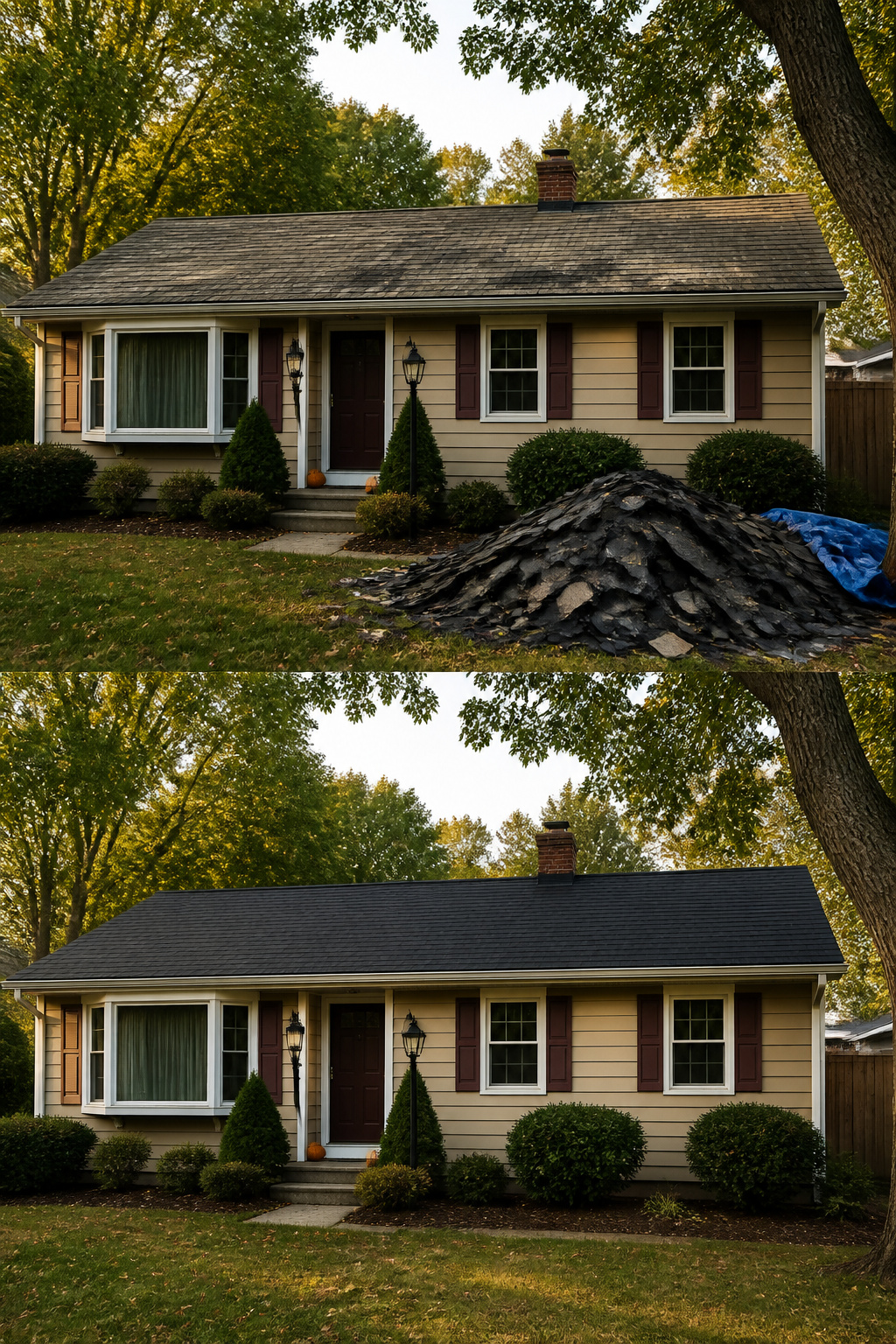
Asphalt shingles still dominate most neighborhoods for a reason: a crew can strip and re-cover a roof in a day or two, and the material itself forgives a real-world budget. Owens Corning Duration Shingles with StreakGuard cut the algae streaks that turn a five-year roof grey, and the SureNail strip keeps the grip tight in wind. For underlayment, VeloraONE adds a moisture barrier that outlasts felt paper. The detail that separates a roof that holds from one that doesn’t is six nails per shingle, not the four the code minimum allows. Those two extra nails add maybe half an hour to the job and change how the shingles behave in a blow.

Polymer Material: The roofing sealing membrane is primarily composed of high-density anti-aging polyethylene sheets (waterproof layer) laminated with geotextile fabric (thermal insulation, soundproofing, and vibration damping layer), and a polymer self-adhesive film. Features exceptional bonding strength and anti-aging properties

Low-waste, cost-saving packaging Sand-based surface to ensure foot grip and for a safer installation for users Applied to shingle rooftops

Blue Polyolefin Skid-resistant Film Better Adhesion High temperature resistant
Metal Roof Installation
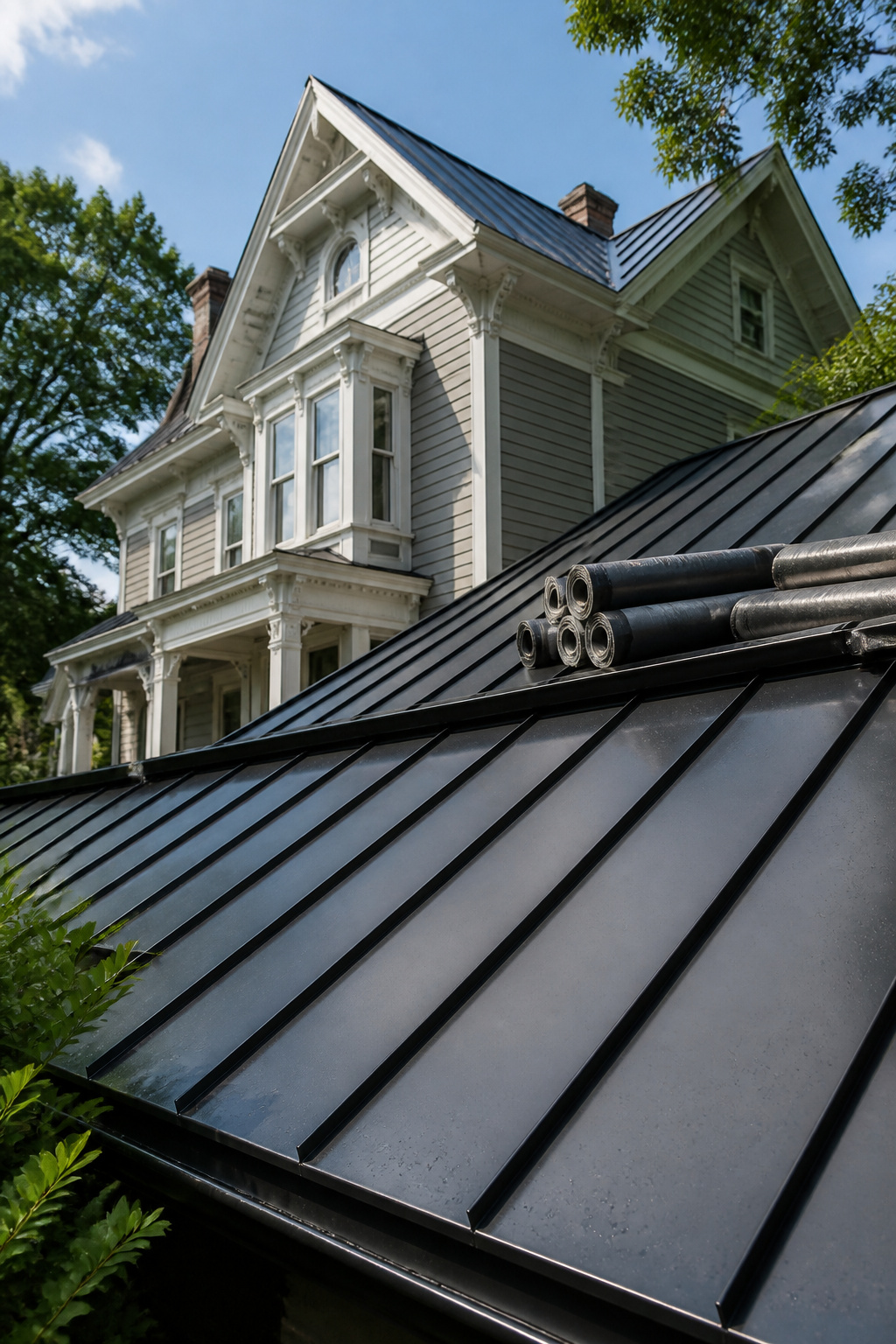
Standing seam metal roofs are tested to withstand hurricane-level winds and driving rains, which is what drew me to them after reading through project files from Jersey shore homes and Victorian restorations in northern New Jersey. The interlocking seam design hides fasteners from weather, and the raised ribs run vertically so water sheds rather than pooling at joints.
For leak and temperature protection, the SealaronXT Ice & Water Barrier goes down before the panels. It protects against temperature fluctuations, roof leaks, and pests while sealing around the fasteners that do penetrate the deck. On historic homes where maintaining original style matters, standing seam metal becomes a practical choice because it reads as period-appropriate from the street while solving the durability problem that original materials often cannot. The black matte finish on one Victorian in Closter replaced twenty-year-old shingles that had leaked throughout the house, giving the homeowners a lifetime of protection without the maintenance cycles of asphalt.

EFFICIENT INSTALLATION: Finish projects faster with Grip-Rite roofing nails. The sharp diamond point drives quickly into wood substrates, while the smooth shank provides easy, reliable fastening for roofing applications.

EFFICIENT INSTALLATION: Finish projects faster with Grip-Rite roofing nails. The sharp diamond point drives quickly into wood substrates, while the smooth shank provides easy, reliable fastening for roofing applications.
Color Choices for Roofs

Standing in the paint aisle with shingle samples against the afternoon light, I understood why people freeze on this decision. The Charcoal shingles paired with Tuxedo Grey gutters look nearly black once installed, and that cohesiveness is what sells the combination. White or light grey gutters against a dark roof read as two separate ideas; the grey-on-grey pairing lets the roof read as one clean plane.
Neighborhood context matters more than Pinterest suggests. Copper or galvanized gutters would have caught the eye, but the price jump was steep and the contrast would have sat awkwardly among the surrounding houses. A roof is not a solo act. The siding here was previously brown, repainted to a dark grey with blue undertones, and the charcoal roof ties into that cooler palette without matching it exactly.
Personal preference still wins, just not in the way the magazines frame it. The choice is less about finding your "perfect" color and more about eliminating the ones that fight what you already own.
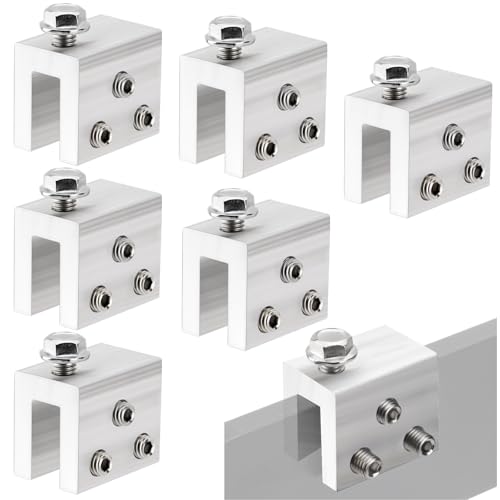
【Sturdy Contruction】Aluminum alloy standing roof clamps and M8 stainless steel screws securely attaches to raised seams, preventing rust and corrosion, and can withstand harsh weather conditions.

【Sturdy Contruction】Aluminum alloy standing roof clamps and M8 stainless steel screws securely attaches to raised seams, preventing rust and corrosion, and can withstand harsh weather conditions.
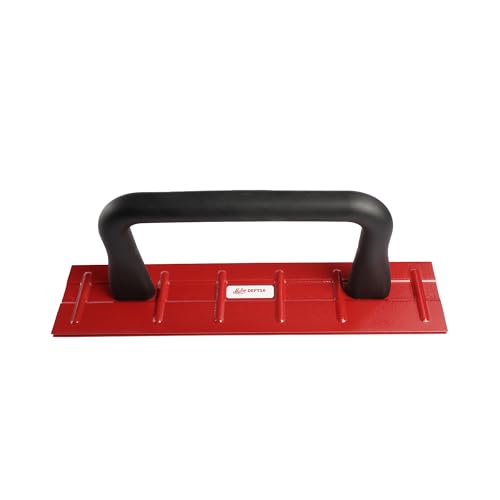
Folds 22-gauge standing seam drip edge panels up to 16" wide.
Installation Techniques and Materials
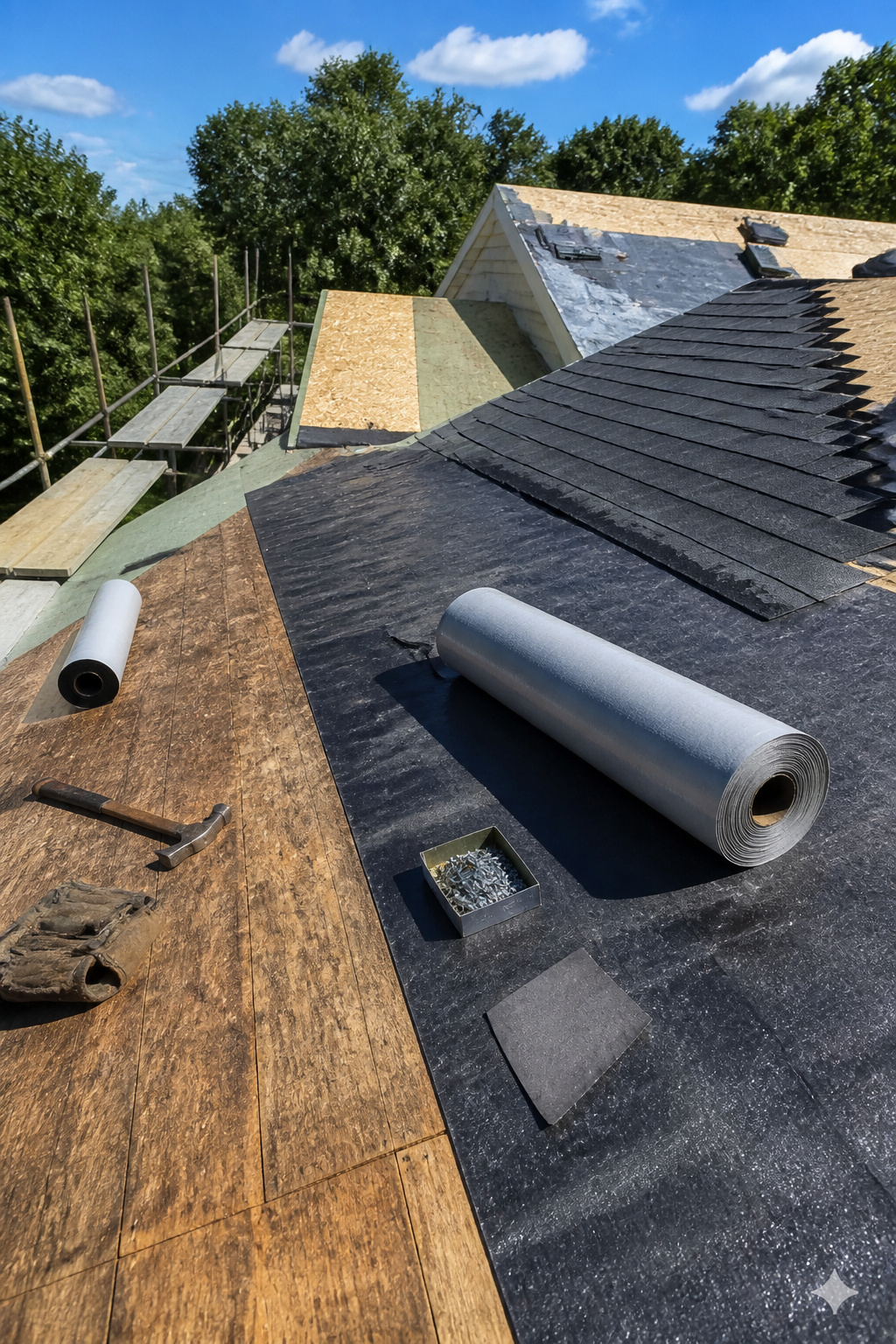
The difference between a roof that makes it to year twenty-five and one that needs replacing at year twelve usually hides underneath the shingles where nobody looks. I spent two days watching a crew work on a neighbor’s place last spring, and what stuck with me was how much of the job happens before the first visible course goes down.
Synthetic underlayment won out over felt on that job after the contractor walked us through how it handles wind lift before the shingles are on — felt tears, synthetic doesn’t. The crew ran ice-and-water shield six feet up from every gutter line, not just at the eaves, because this is where backed-up snow melts and finds nail holes. They hand-nailed the first row along the rake edges, then switched to guns for speed. Nail placement matters more than count: too high and the shingle tab lifts, too low and you cut through the seam below. The contractor showed me the difference by lifting a corner of discarded shingle where a nail had been driven through both thicknesses; that spot would have leaked by year five.
Ask whether your crew uses cap nails on the synthetic layer, not staples. Staples are faster, but cap nails hold against wind that would slide a staple right out. Ask how far up the walls the step flashing runs on any chimney or sidewall intersection; anything less than eight inches is asking for trouble when driving rain hits. These are the questions that separate bids that look identical on paper.

This item is Gardner-Gibson 2172 10-Ounce Wet Patch Roof Cement Cartridge

The product is 29OZ Wet Dry Roof Cement
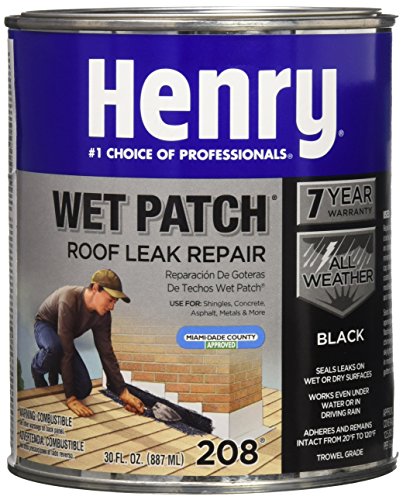
The product is QT Roof Cement
What the Replacement Actually Takes
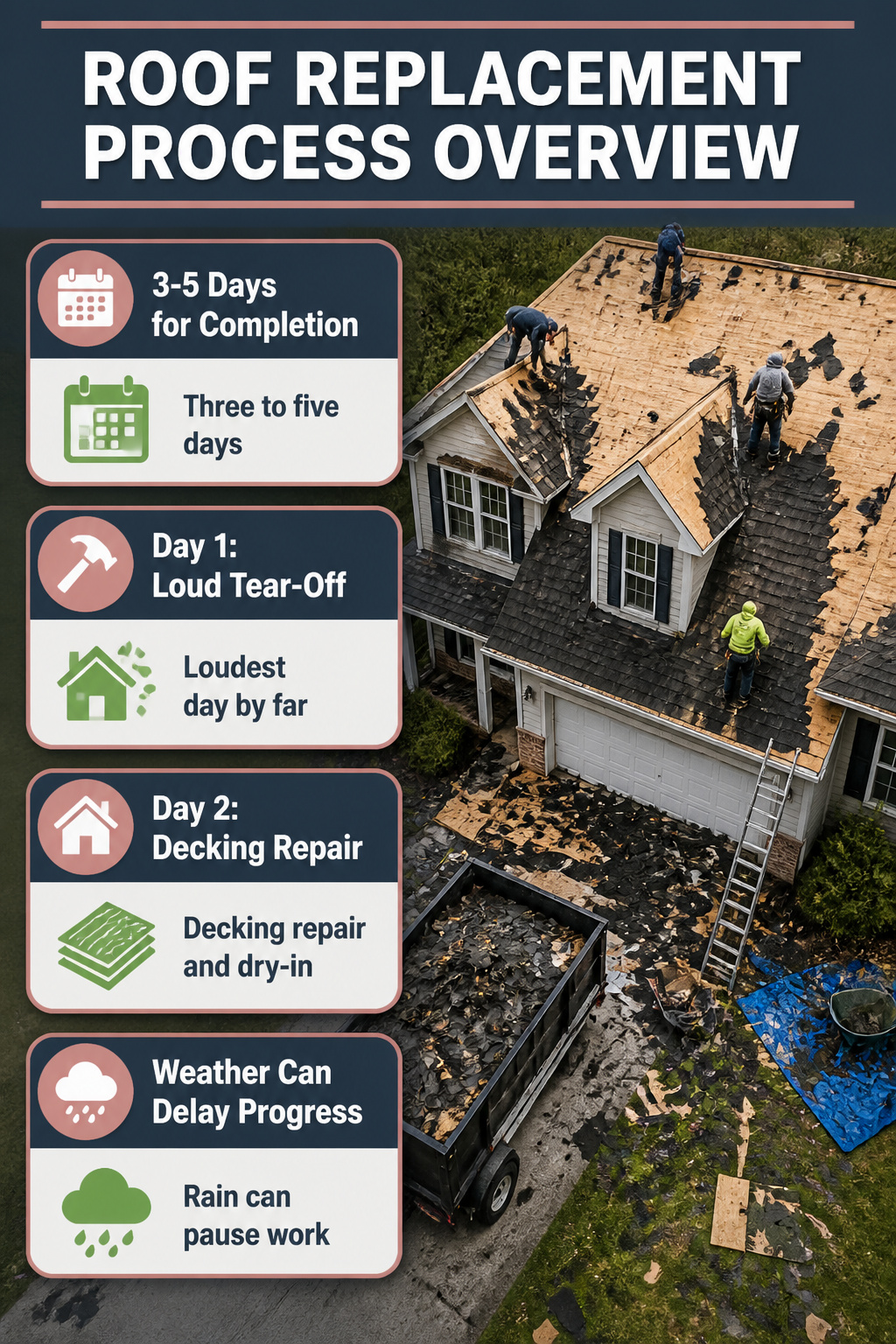
A roof replacement on a typical suburban home runs about three to five days, though that stretches fast once dormers or a steep pitch get involved. The crew starts with tear-off, which is the loudest day by far. Nails hitting the driveway, plywood coming up, the whole house vibrating. By afternoon the yard looks like a construction site and the attic smells like forty years of dust.
Day two is usually decking repair and dry-in. If rain shows up then, everything pauses. Wet plywood will rot underneath new shingles, so crews watch the forecast closer than you do and will strip half a roof and tarp it overnight rather than gamble. That half-open state is the part nobody warns you about. You learn which rooms have daylight leaking through the rafters, and you stop using the upstairs bathroom unless you enjoy being directly under foot traffic.
Living through it means accepting that sleep starts when the crew leaves, not when you want it to. Earplugs help. So does moving anything you care about out of the attic, because vibration shakes dust through ceiling fixtures you did not know had gaps. The disruption is temporary, but it is real, and budgeting an extra day for weather keeps the schedule from becoming the stressful part.

WEATHERPROOF & UV-RESISTANT SEALANT TAPE: Water-tight finished strong adhesive tape can resist UV, moisture, vapor, corrosive chemicals and other leakages, protecting your RV from extreme weather.

【Professional Grade RV Sealant Tape】 Repairing RV roof leaks could be expensive and exhausting. With our industrial grade material made RV roof tape, RV roof repair sealant could be easy and permanent. Saving time and money by using our RV roof sealant tape.
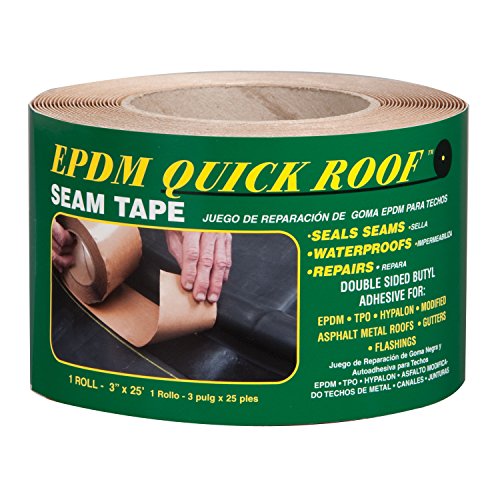
EPDM Quick Roof Seam Tape
Why the New Roof Looks Different
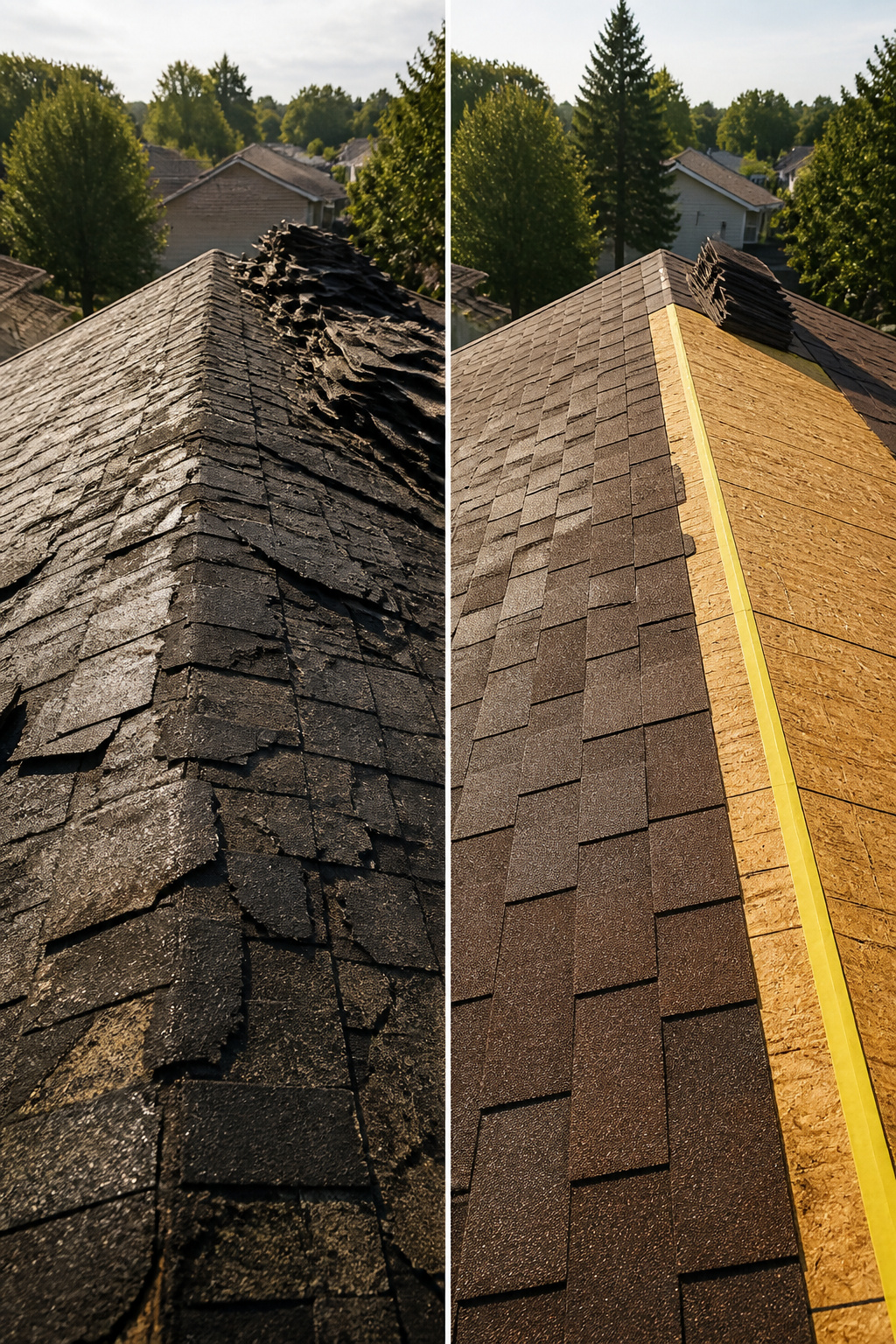
The morning the tear-off started, I stood in the driveway and watched twenty years of shadow-brown shingles slide into the dumpster. The roof looked wounded then, bare decking and yellow tape catching the sun where SealoronXT went down along the seams. Half a roof is worse than an old one. You see every flaw in the plywood, every place the previous owner patched instead of replaced, and you wonder if the color you chose was a mistake.
By afternoon the architectural shingles started going on, six nails each, and the house changed its mind. The new shadow brown sat deeper against the siding than the faded asphalt had, and the dimensional profile caught light the flat old roof never did. A neighbor walking her dog actually stopped, which had not happened in two years of living there.
Curb appeal is the part you photograph, but the practical shift is what sells the house later. The self-sealing ice barrier and synthetic underlayment do not show, yet they are what keeps the next buyer’s inspector quiet. Metal does this louder, standing seam and metal slate running decades instead of years while the energy bills drop. Either way, the value bump is real and the weather protection is the reason you do not wait until the leaks start.

Polymer Material: The roofing sealing membrane is primarily composed of high-density anti-aging polyethylene sheets (waterproof layer) laminated with geotextile fabric (thermal insulation, soundproofing, and vibration damping layer), and a polymer self-adhesive film. Features exceptional bonding strength and anti-aging properties

Rubberized asphalt layer seals around fasteners Resists water leakage
Low-waste, cost-saving packaging Sand-based surface to ensure foot grip and for a safer installation for users Applied to shingle rooftops
Materials I Would Pick Again
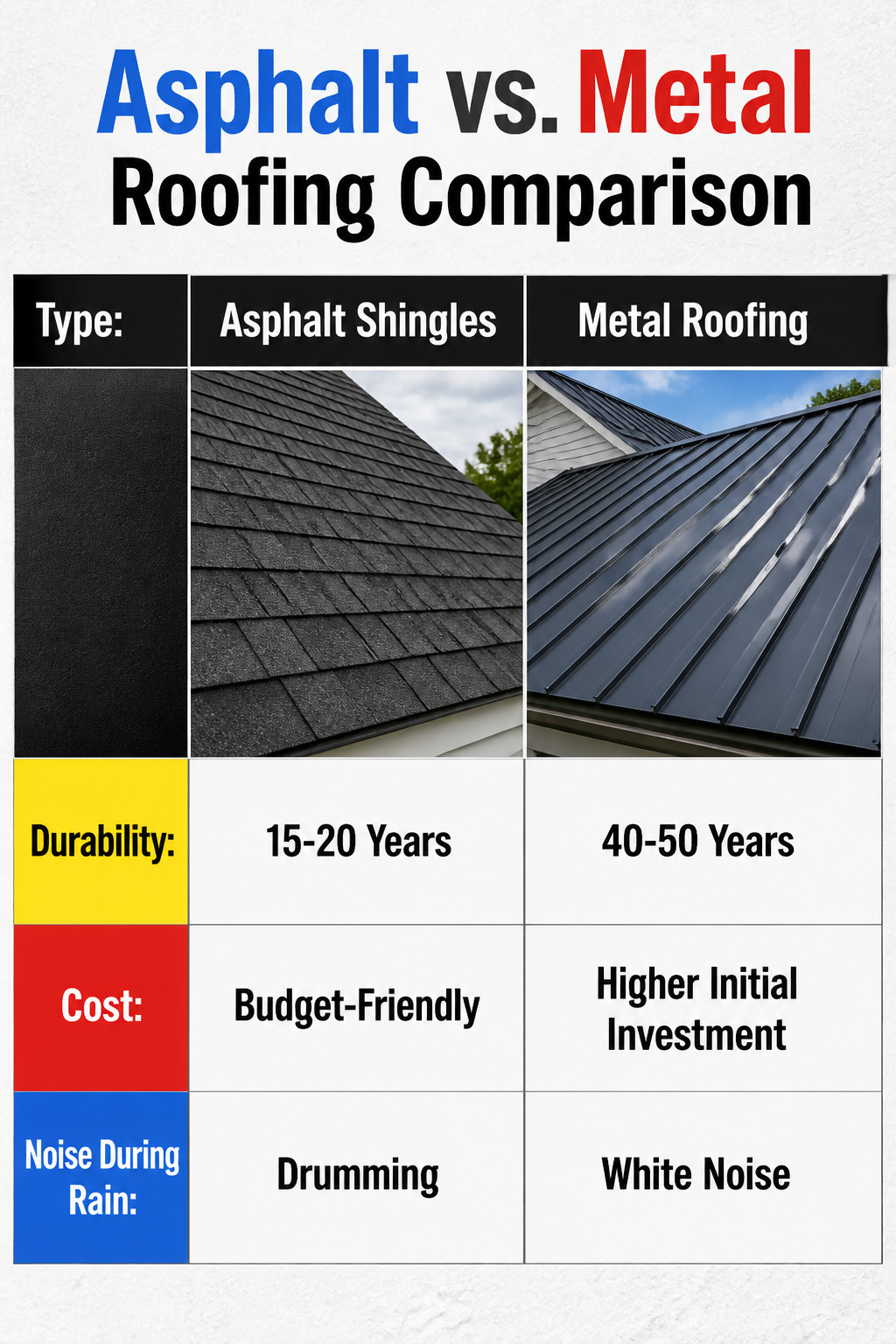
Asphalt shingles and metal roofing each carry a different kind of durability. Three-tab shingles typically last fifteen to twenty years in most climates, while architectural-grade asphalt pushes closer to thirty. Metal panels, properly installed, can go forty to fifty years without replacement. That gap matters less if you are planning to sell within a decade, and more if you are settling in for the long haul.
I chose dimensional asphalt shingles for my own roof, mostly because the upfront cost left room in the same year’s budget for replacing gutters that were failing at the same time. The charcoal color I picked reads almost black in overcast light and softens to a warm gray in direct sun, which was the look I wanted against white siding. Three years later, the granule loss has been minimal and no shingles have lifted, but I would reconsider the decision if I lived anywhere with heavier hail. The impact ratings on standard asphalt are adequate, not generous.
Metal roofing would have cost roughly double for materials and required a crew familiar with concealed-fastener systems, which are harder to find in my area. The standing-seam profile I liked would have given the house a crisper, more vertical line. If I were choosing again today, I would price out a metal roof specifically for the back slope that faces the worst weather, since partial replacement is sometimes possible when the roof geometry allows it. The asphalt still looks fine from the street, but I notice the difference in sound during hard rain; metal would have turned that into something closer to white noise instead of the drumming that comes through the attic now.

Code-Compliant 15 Degree Roofing Nails: Each box contains 720PCS precision-engineered 1" x .120" 15 degree wire collated roofing nails with full round head design that meets rigorous roofing standards for secure shingle fastening. These coil roofing nails ensure continuous workflow in Bostitch, Hitachi, DeWalt, and all major 15-degree coil roofing nailer guns. Note: Verify your roofing nailer accepts wire collated coil roofing nails with full round heads

Installs with a hammer

Code-Compliant 15 Degree Coil Roofing Nails: Each box contains 720PCS precision-engineered 1-1/2" x .120" (38mm x 3.05mm) 15 degree coil roofing nails with smooth shank and full round head (3/8" diameter) that meet professional fastening standards for secure shingle installation. Wire-collated coil roofing nails ensure smooth feeding in Bostitch RN45B/RN46, Hitachi NV45AB, Makita AN451, Paslode 3175RCU, and most 15-degree roofing nailers. Note: Verify your roofing nail gun accepts 15° wire-collated coil nails
Frequently Asked Questions
What are the benefits of replacing a roof?
A new roof raises curb appeal, lifts resale value, and replaces aging weather protection with materials that keep inspectors quiet. Metal options cut energy bills and last decades, while fresh asphalt shingles restore the dimensional profile that catches light and stops traffic. The self-sealing barriers and synthetic underlayment underneath do the quiet work of preventing leaks you will not see until they show up on a ceiling.
How long does a roof replacement take?
A typical suburban home runs three to five days, though dormers or steep pitches stretch that fast. Day one is tear-off, the loudest and messiest. Day two brings decking repair and dry-in, which pauses entirely if rain arrives. Budget an extra day for weather so the schedule itself does not become the stressful part.
What materials are best for roofing?
Asphalt shingles and metal each suit different situations. Architectural-grade asphalt pushes toward thirty years and forgives a tighter budget, while standing seam metal reaches forty to fifty years with concealed fasteners that hide from weather. Owens Corning Duration Shingles with StreakGuard resist algae, and standing seam metal handles hurricane-level winds while shedding energy costs. The right choice depends on how long you plan to stay, what your local crews know how to install well, and whether your roof geometry allows partial metal placement on the worst-facing slope.