
The ideas below include an over-the-door hook that twists into any hollow core jamb without an anchor, and a cabinet install that needs a stud finder and permission to alter the wall.
The one thing that decides which is yours is whether you can put holes in the wall or you need to leave no trace.
For renters, a hook anchored into a stud behind the door trim, or a removable over-the-door hook, is what makes the whole list usable.
[link-whisper-related-posts]1. Hanging Purse Organizers
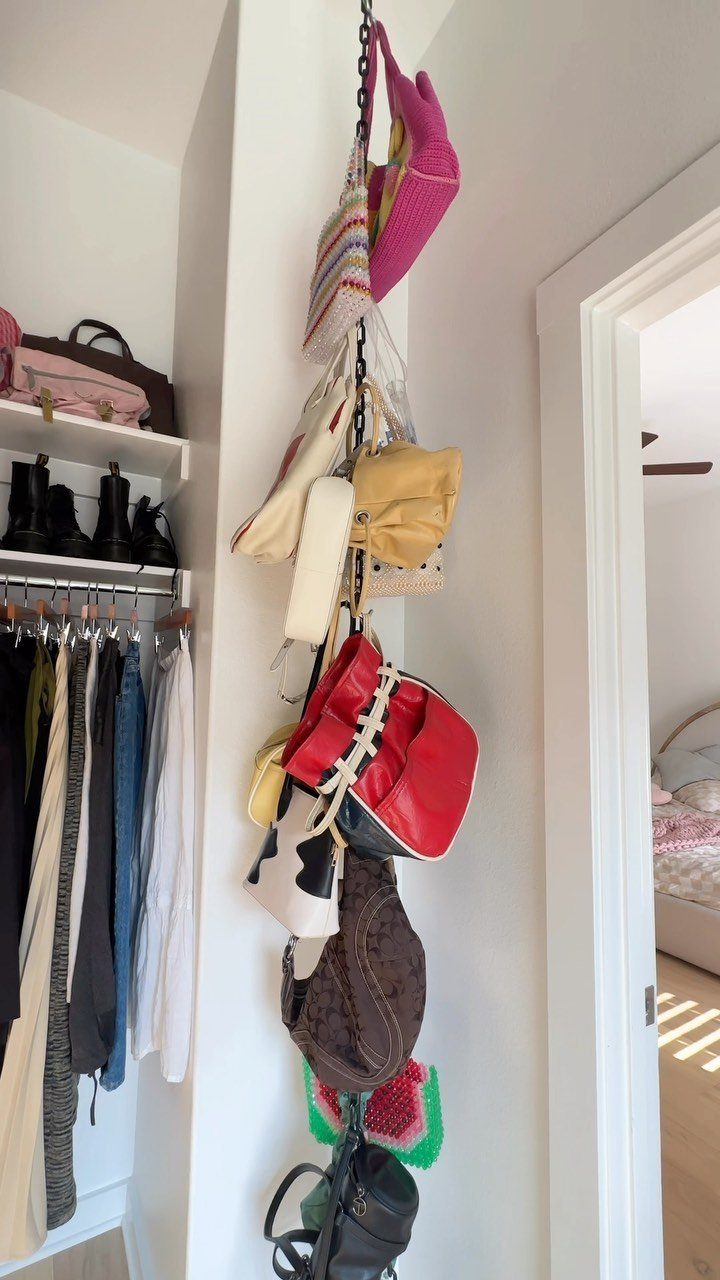
A ceiling-mounted chain with tiers of hooks turns dead closet doorway space into vertical storage; how many bags it holds depends on hook count and bag size.
I like this for renters because the chain hangs on a single hook rather than needing wall anchors across a stud.
Weight is the limit to watch. A hollow-core closet jamb will hold only light day bags; a solid frame or overhead rod takes heavier loads.
The bags hang nested, so this works best for slouchy shapes that fold, not rigid structure bags that fight each other for room.
2. Clear Storage Bins
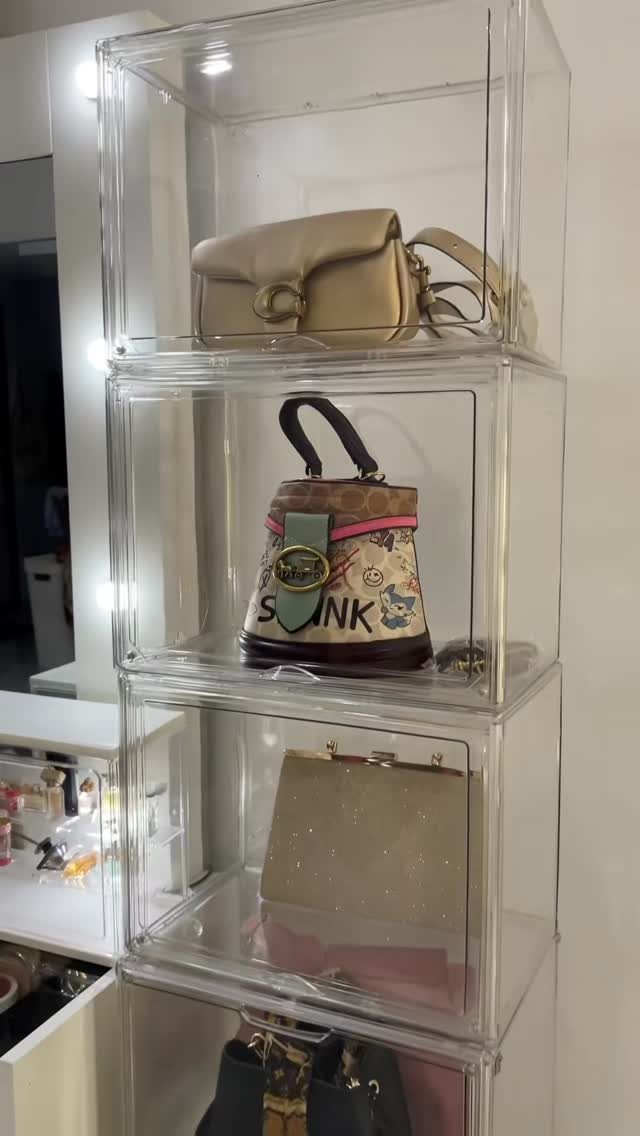
Clear bins stack on a closet shelf or the floor and let you scan without opening lids.
I prefer acrylic to soft plastic for this; it sits square when stacked and does not yellow.
The cost difference is real; acrylic boxes run several times what basic polycarbonate costs. For bags you reach for weekly, skip the lid or leave it off; for seasonal storage, a closed bin keeps dust off leather.
3. Shelf Dividers
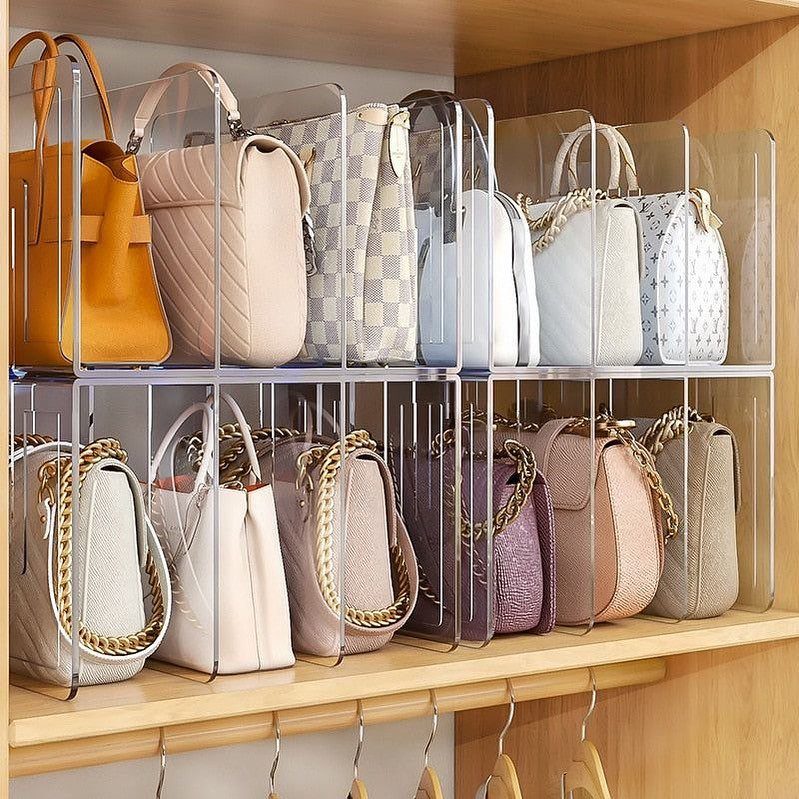
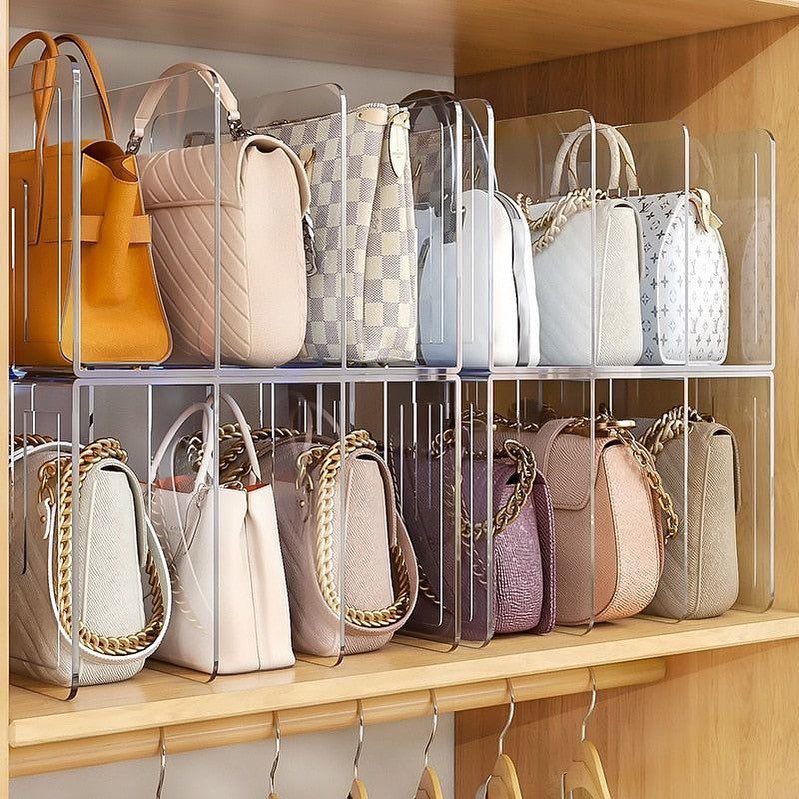
Acrylic dividers turn a single shelf into upright slots so bags stay vertical and do not slump against each other.
The dividers themselves need no install; they sit or clip on the shelf.
I would measure my tallest bag first, since a short divider fails a tall bucket bag and wastes the space above it. Space shelves to handle most bags without crushing handles.
4. Bookcase Storage
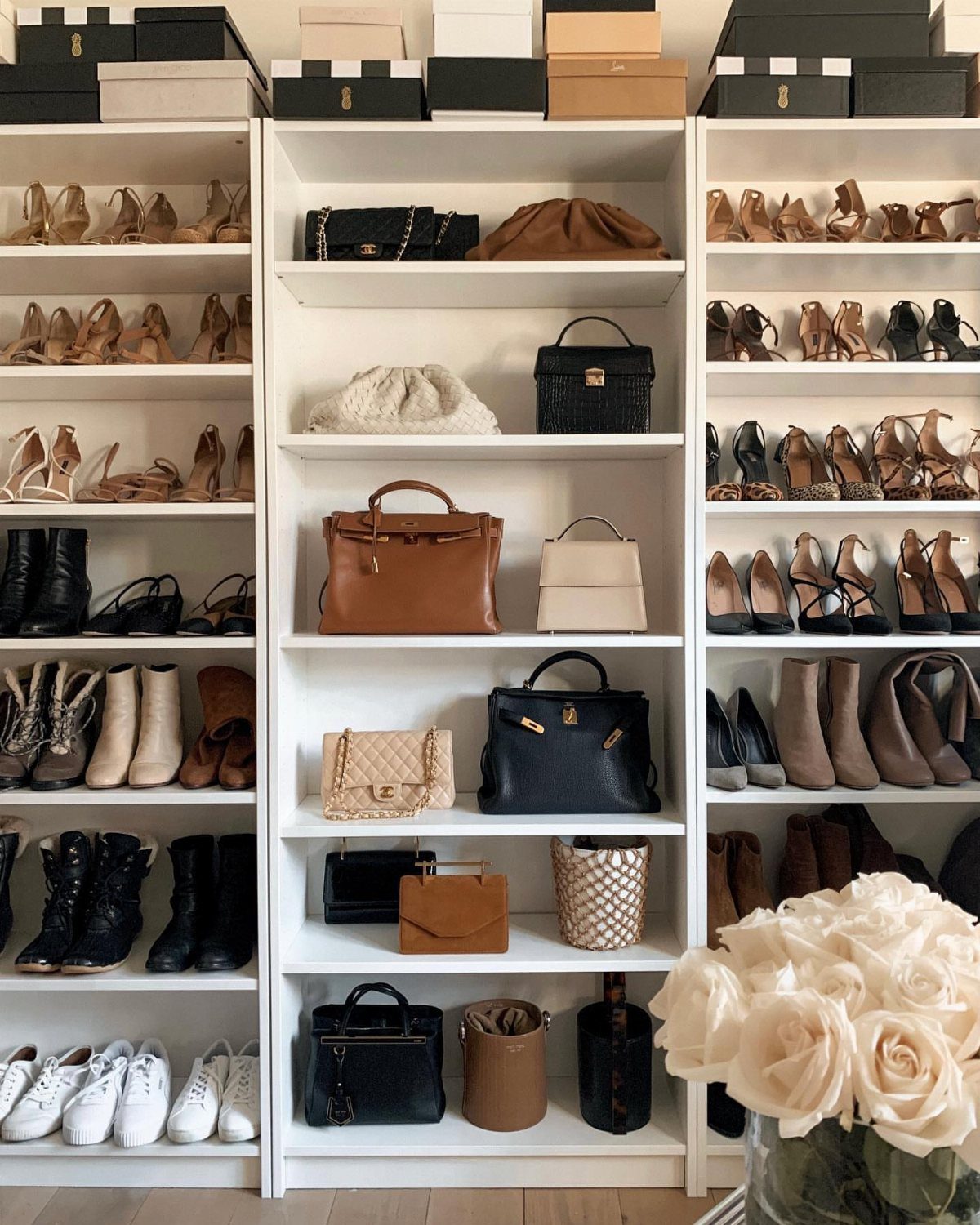
A standard bookcase with adjustable shelves beats built-in closet cost by a mile and moves with you.
I would skip the shoe boxes across the top unless you need them; they read as clutter and hide dust.
Better: bags standing upright, one per shelf section, with the tallest at center eye level and small boxes below for clutches. A tall bookcase gives plenty of shelves; figure the height needed per bag depends on handle drop.
5. Letter Holders for Handbags

A letter holder on a shelf gives 3 vertical slots for clutches, wallets, or structured mini bags, the kind that collapse if you stack them.
I would set it on a shelf at shoulder height or above, where the slots stay visible and you are not bending to read labels.
6. Coat Racks
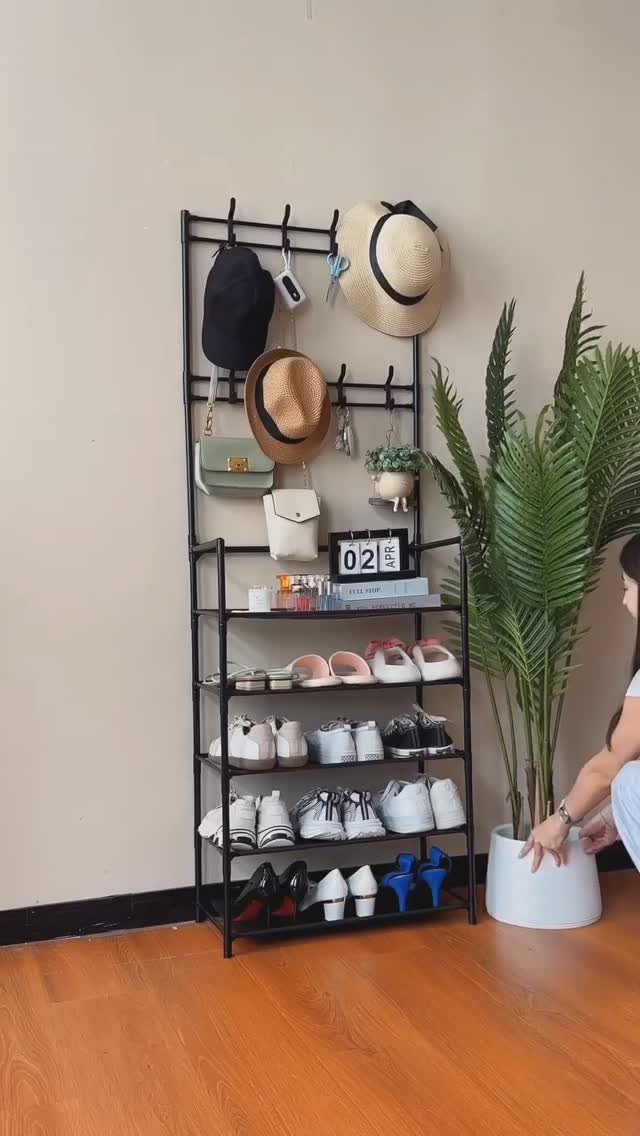
A coat rack in the entry takes bags you carry daily, not the full collection.
I find metal tubing more stable than wood for this load; a slim tree rack tips when heavy totes cluster on one side.
The floor footprint is the catch, so this suits entries with a wall to set against, not open passages. 2 bags per hook is the practical limit before they tangle.
7. Glass-Front Handbag Cabinet
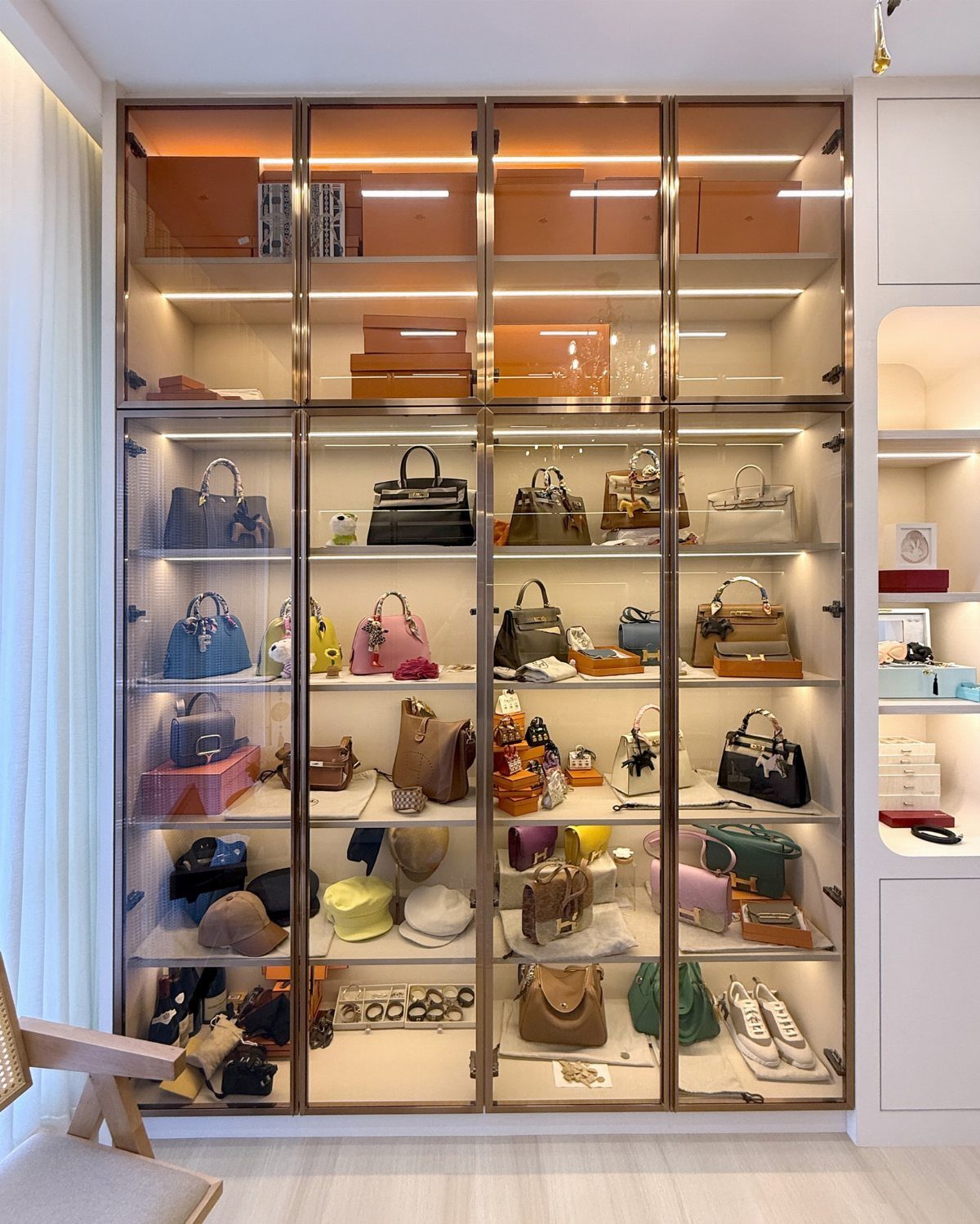
Brass-framed glass doors and interior lighting turn a cabinet into a display case that happens to store bags.
That lighting is what separates this from any closed storage; it lets you see color and texture without opening the door, and it flatters the collection.
Build cost and permanence are the real drawbacks here.
This is for owners with wall space to dedicate, not renters who need to leave no trace. I would install adjustable-height shelves before anything else; bag heights vary more than shoe heights, and a fixed layout drifts out of use.
8. Cubbies
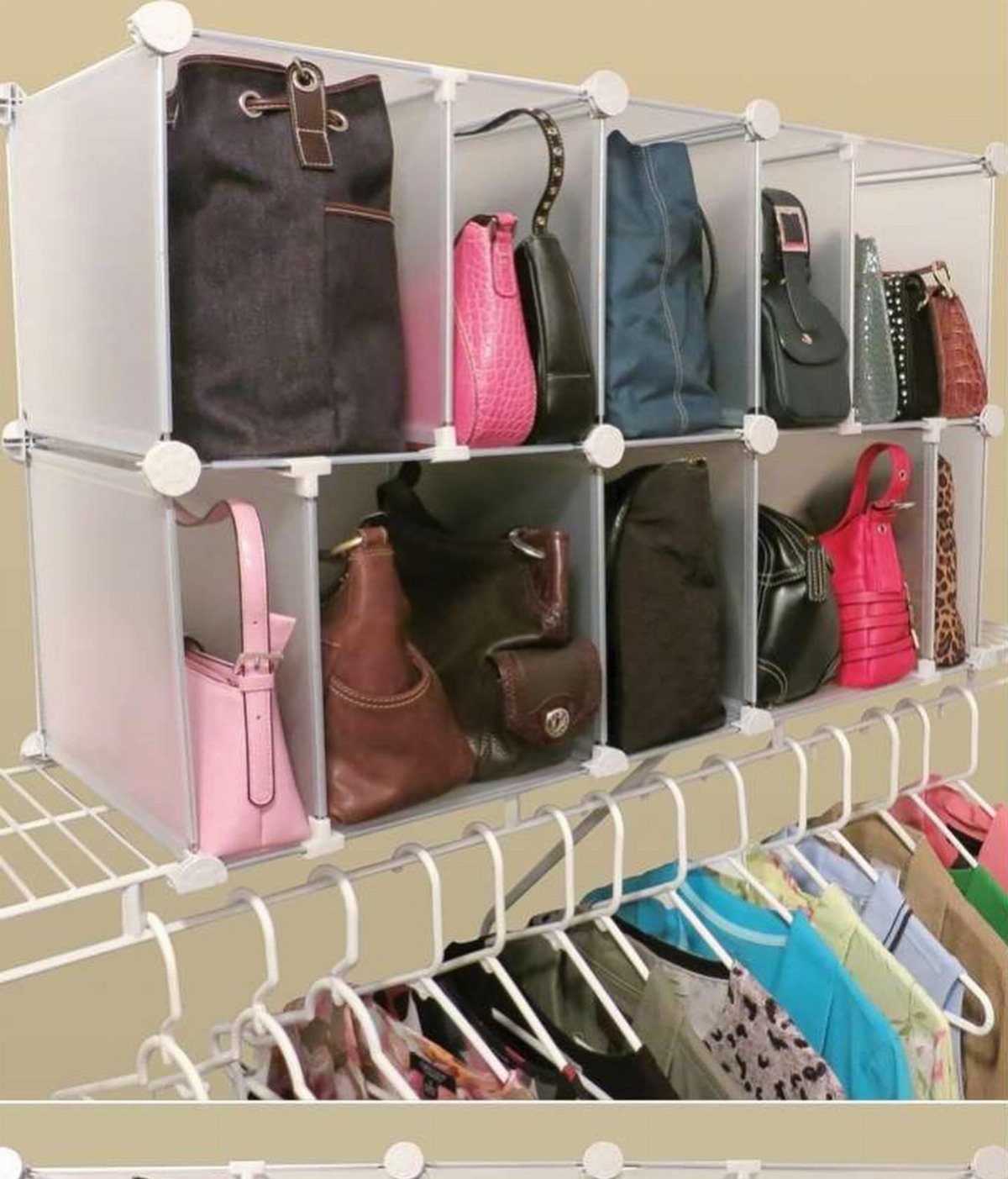
Modular plastic cubbies on a wire closet shelf create individual berths for bags that would otherwise pancake on top of each other.
I like the translucent finish; you see enough to identify the bag without the visual noise of full color.
The units I have seen lock together but do not anchor, so place them where the shelf lip or wall stops backward drift. They suit softer bags that slump; rigid satchels waste the cubby corners.
If you’re a bit paranoid about your beloved bags getting dirty, keep them clean in airtight stackable cubes. It’s no coincidence that 82% of users rewarded these nifty boxes five stars.
9. Wall-Mounted Racks
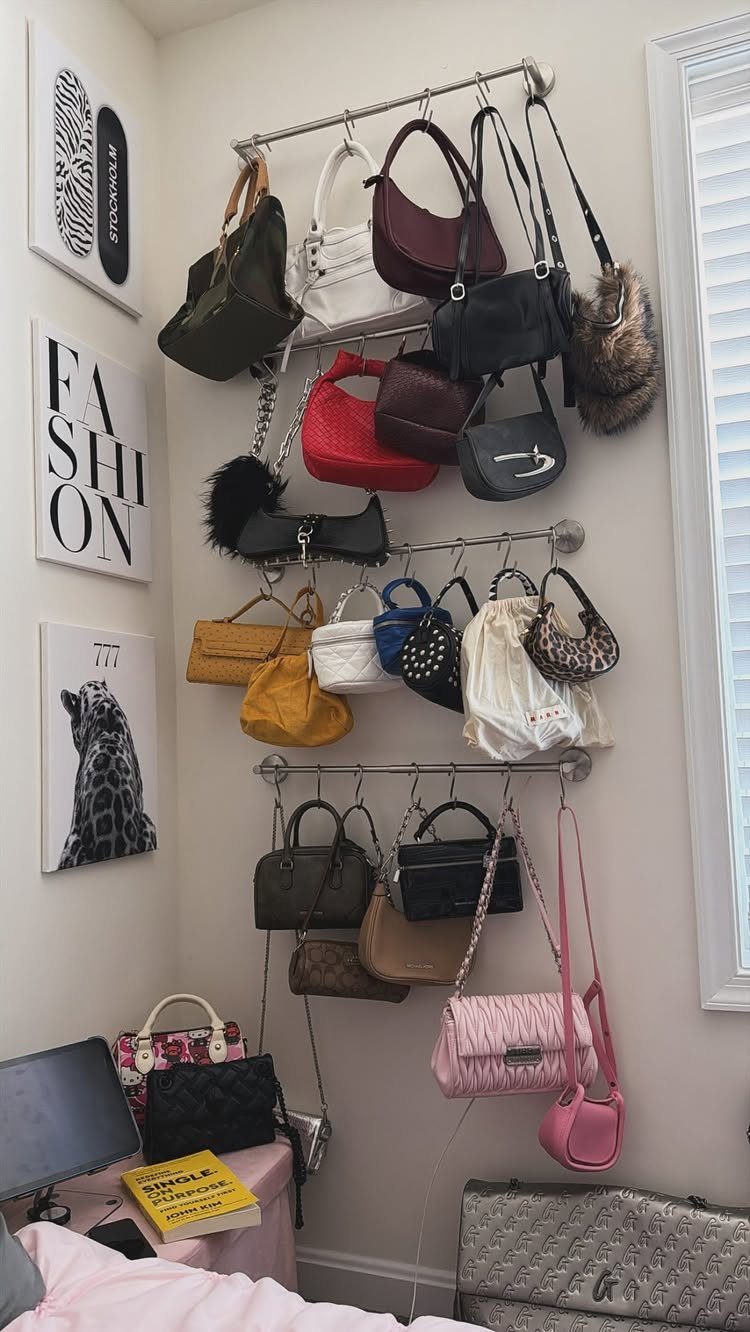
Metal rails with hooks mount to wall studs and hold bags at eye level where you can scan fast. Horizontal rails spread weight across two or more studs; a single peg would tear plasterboard.
I would keep the daily rotation here and move off-season bags elsewhere.
3 rails high let you group by size or use, and the space beneath stays clear for shoes or a slim bench. Check hook spacing against your widest bag; handles that overlap tangle and scuff.
10. Acrylic Organizers
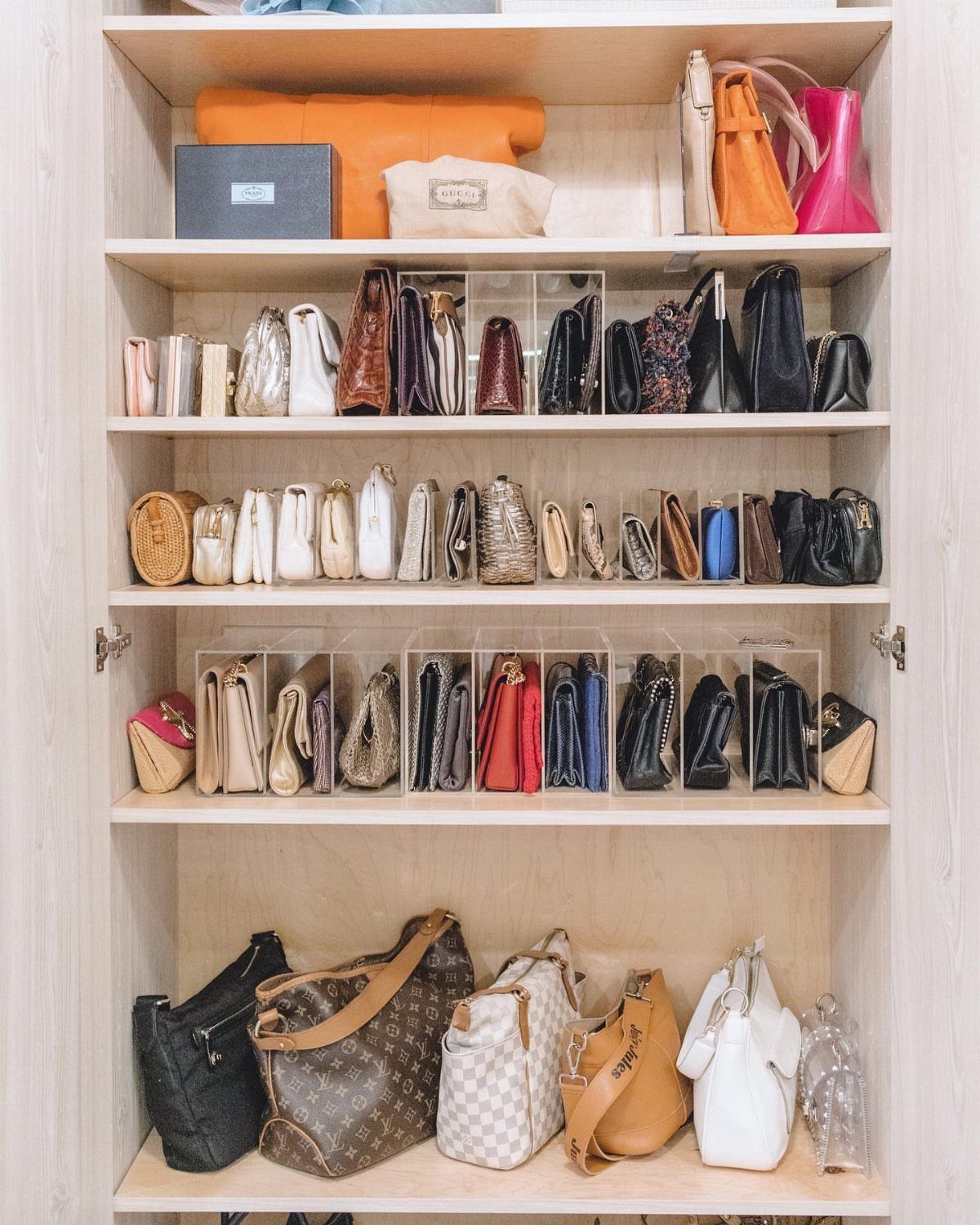
Clear acrylic dividers on wooden shelves keep clutches and mini bags upright and visible without hiding the shelf material behind them. The brands visible are not the point; the material is.
These suit collections where small bags outnumber large ones. A divider too short for the bag it holds is worse than none, so I would measure my tallest clutch before ordering.
The organizers wipe clean with mild soap and water, which matters more than it sounds; leather dye transfers to acrylic over time.
11. Shelves with Handbags by Color
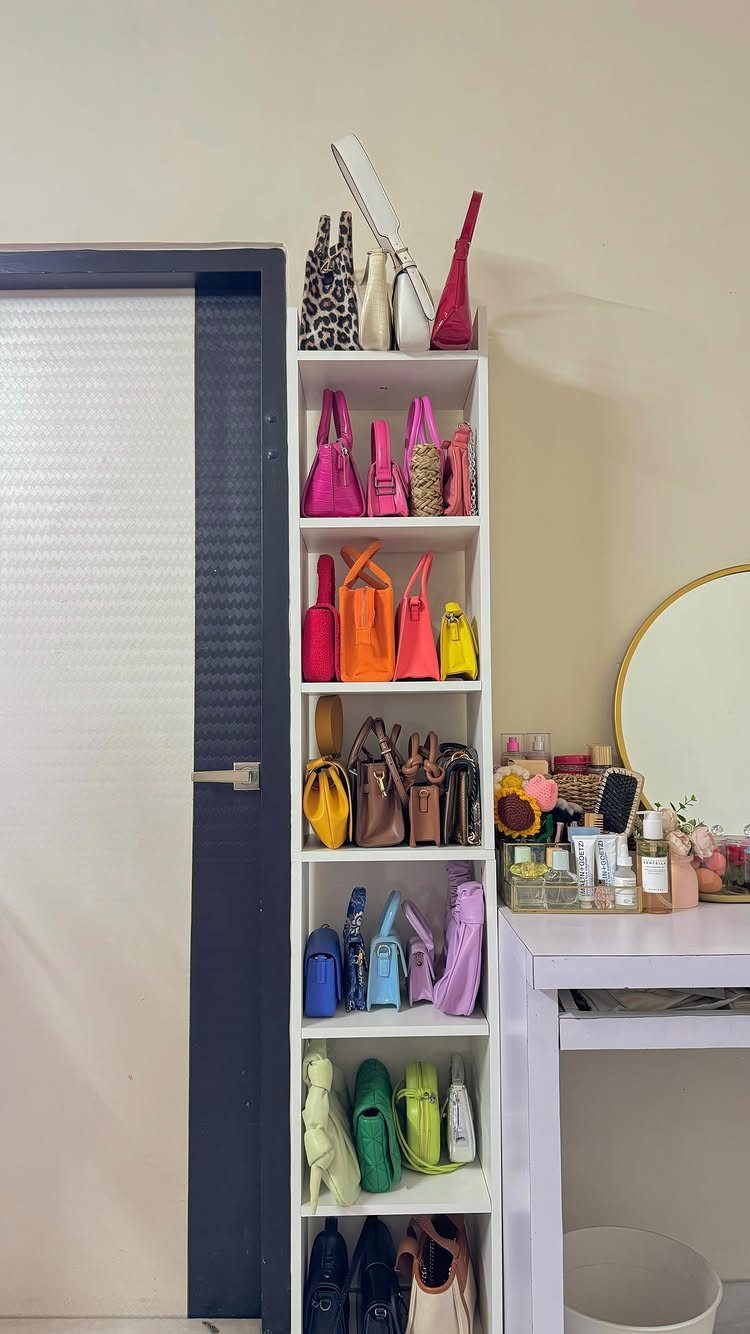
A narrow white bookcase with bags sorted into color rows turns storage into something you want to look at. The spectrum order reads intentional; random color reads clutter.
This works because the bookcase is tall and slim, not wide and squat. Height lets you give each hue its own shelf without the row running long and thin.
I would group near-neighbors: teal into blue, coral into red. A bag that straddles 2 colors goes where you will look for it, not where theory says.
12. Use Hooks
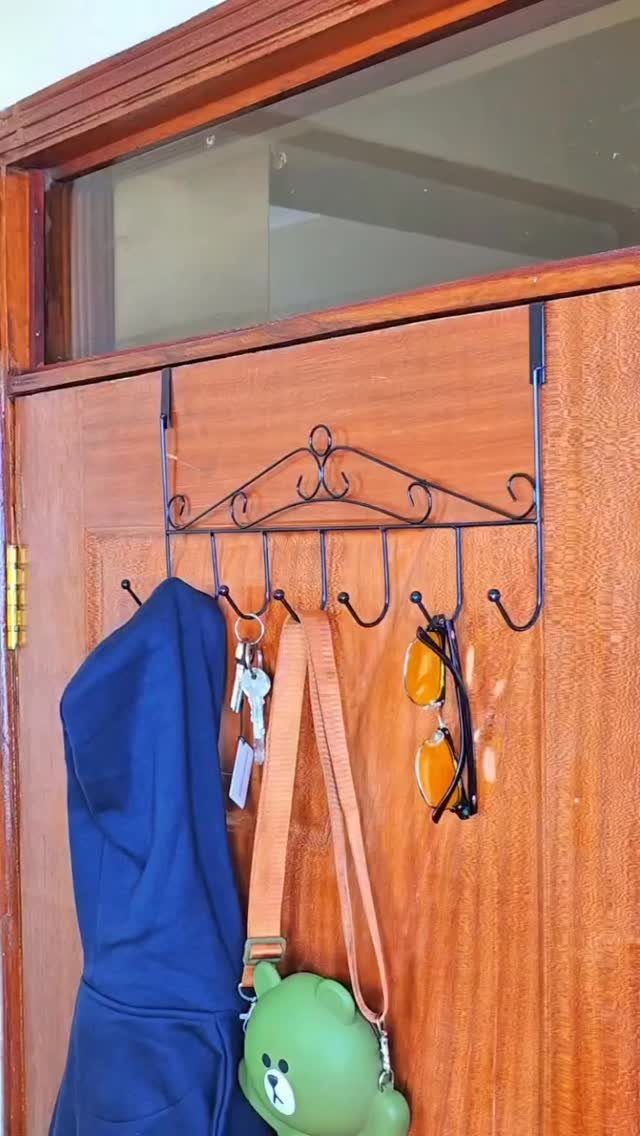
Over-the-door hooks or a mounted wall rack put bags where you grab them on the way out. A wire rack that doubles with jackets and keys is realistic for an entry but crowded for a collection.
I prefer a single row of substantial hooks to a grid of small ones; a crossbody strap on a thin hook slides and creases.
Check door clearance before you buy; the hook back adds inches, and some doors will not close over the bulk of a loaded bag.
13. Rotating Shelves

A lazy Susan mechanism built into shelves lets you spin the column to reach bags at the back without clearing the front row first. These units run on ball bearings and need no more than a finger’s push to turn.
The footprint is taller than it is wide, so this suits high ceilings where vertical space outstrips floor area. LED halo lighting is the extra cost; skip it if the closet already has a fixture overhead.
I would bolt tall units to wall studs; a fully loaded column tips when a child or a tall dog leans into the spin.
14. Purse Organizer Insert
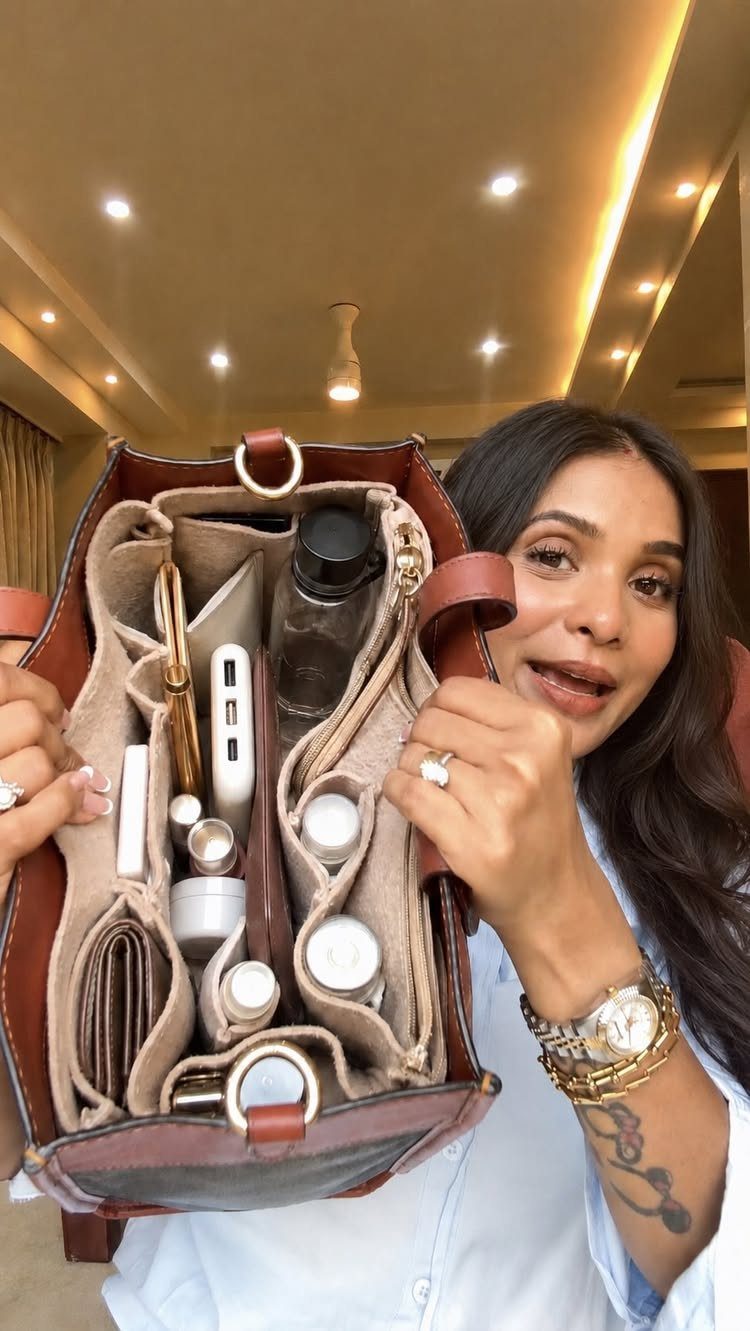
A felt or soft-shell insert with pockets and compartments drops into a cavernous tote and keeps contents from settling into a heap at the bottom.
A water bottle sits upright in one pocket, which tells me the pockets are deep enough to hold shape.
I match insert color to bag lining so it does not show at the opening.
Prices run across a wide range; measure the bag’s interior at its widest, not the base alone, since tapered walls otherwise grip the insert and make it hard to lift out.
Structured bags with feet need an insert with a stiff bottom panel; floppy unlined bags are better served by a base shaper.
Regular Maintenance
Check stored bags every few months for mold or damage.
A cool, dry spot away from sunlight prevents fading and discoloration. A bag left empty collapses on itself, so I fill mine with plain tissue or the bubble wrap from the last delivery.
Leather needs feeding even when it sits, so I rub in a small amount of conditioner every few months to stop the hide from cracking.
A quick pass with a clean flannel takes off the hand oils before they bake in and darken the finish. Small cleans add up; I catch the grime while it is still surface dirt and not yet worn in.
Avoid Damage
Do not hang bags for long periods. The weight pulls on straps and hardware, and soft leather or suede stretches where it bears the load.
Leave space between every stored bag. Air needs to flow, and crowding leaves permanent indentations from pressure points.
Each item needs room to keep its shape. Hard-sided briefcases and box clutches keep form better upright; chain-straps and long crossbody bags can hang short-term if the hook is padded.
Cleaning Before Storage
Always clean a bag before it goes into storage. I work from the inside out, then hunt down the care tag to match the cleaner to the material.
Let the bag dry completely before you close it up; trapped moisture feeds mold and stains lining.
Dirt left on the surface works into the finish over months of sitting, so the few minutes of cleaning before storage pays off in years of wear.
Frequently Asked Questions
How do I store my handbag?
I store mine away from windows and any heat vent, since sun and dry air both crack leather and fade color over time.
I fill the interior with plain tissue or bubble wrap so the bag holds its shape, and I clean it before putting it away so surface dirt does not work into the finish.
Leather bags need a thin layer of conditioner every few months even while stored, or the hide cracks.
What is a good bag organizer for totes?
A felt or soft-shell insert with pockets and compartments drops inside and stops contents from sliding into a heap. Some totes also work well upright on a shelf with a base shaper if the bag is floppy and unlined.
What is the best way to store gift bags?
I would stand them upright inside a clear storage bin on a closet shelf or the floor. Skip the lid for ones you reach for often.





