
These 6 ideas run from an hour with craft paint to a weekend shaping fired clay, all on budgets that start with what you already own.
The look you want and the care you can give are 2 different things, and renters and first-home owners face opposite problems with the same windowsill.
I buy faux greenery in late January when clearance stock hits craft stores, and I still reach for real cuttings when the light is there.
[link-whisper-related-posts]1. DIY Planters
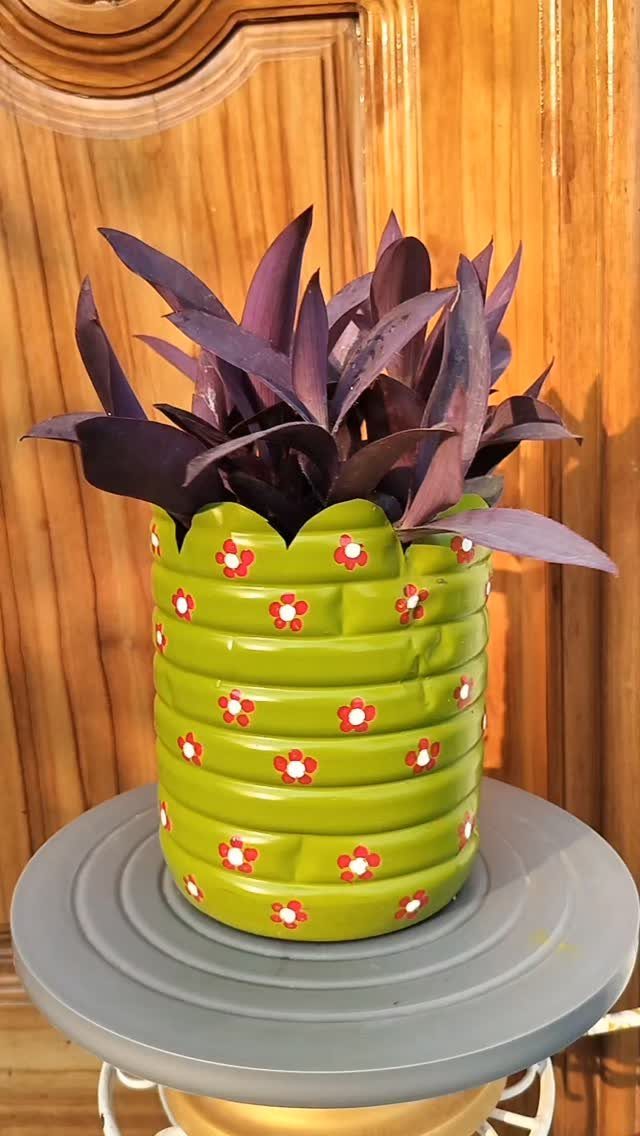
A painted plastic pot with hand-applied flowers turns a basic container into something that reads custom.
I like acrylic craft paint for this: 2 coats on clean plastic, pressed flowers or simple dots while the second coat is tacky, then a clear sealer.
The whole job takes an hour of actual work, plus drying time. Paint and glue are the main cost, less if you already keep those around.
This works because renters need decor they can take with them, not built-ins they leave behind.
2. Faux Plant Arrangements
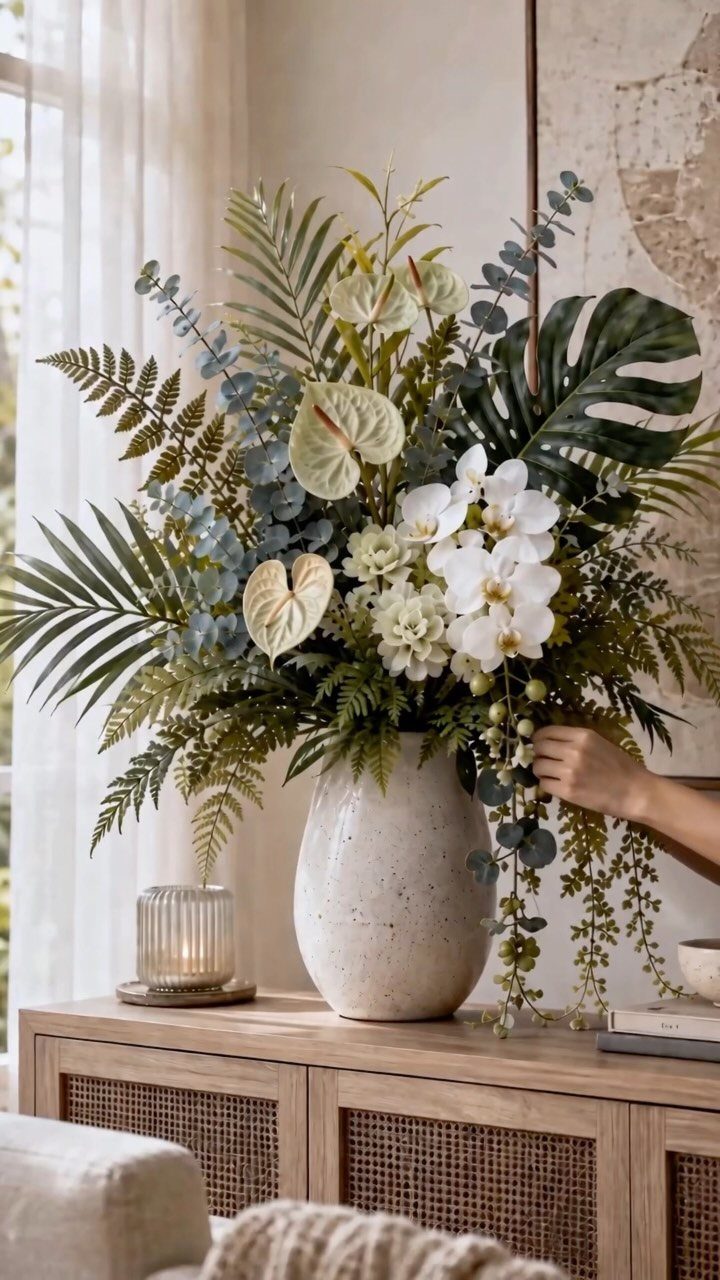
Artificial arrangements solve the light problem directly. A ceramic vase with weighted foam, ferns tucked low and white tropical flowers at height, gives the shape without the window.
I buy faux greenery from craft stores in late January when last season’s stock goes on clearance. Dust them monthly with a lint roller; the static holds the pollen and pet hair that settles on real leaves too.
You lose the growth to watch, but you also lose the wilting to hide.
3. Plant Stands
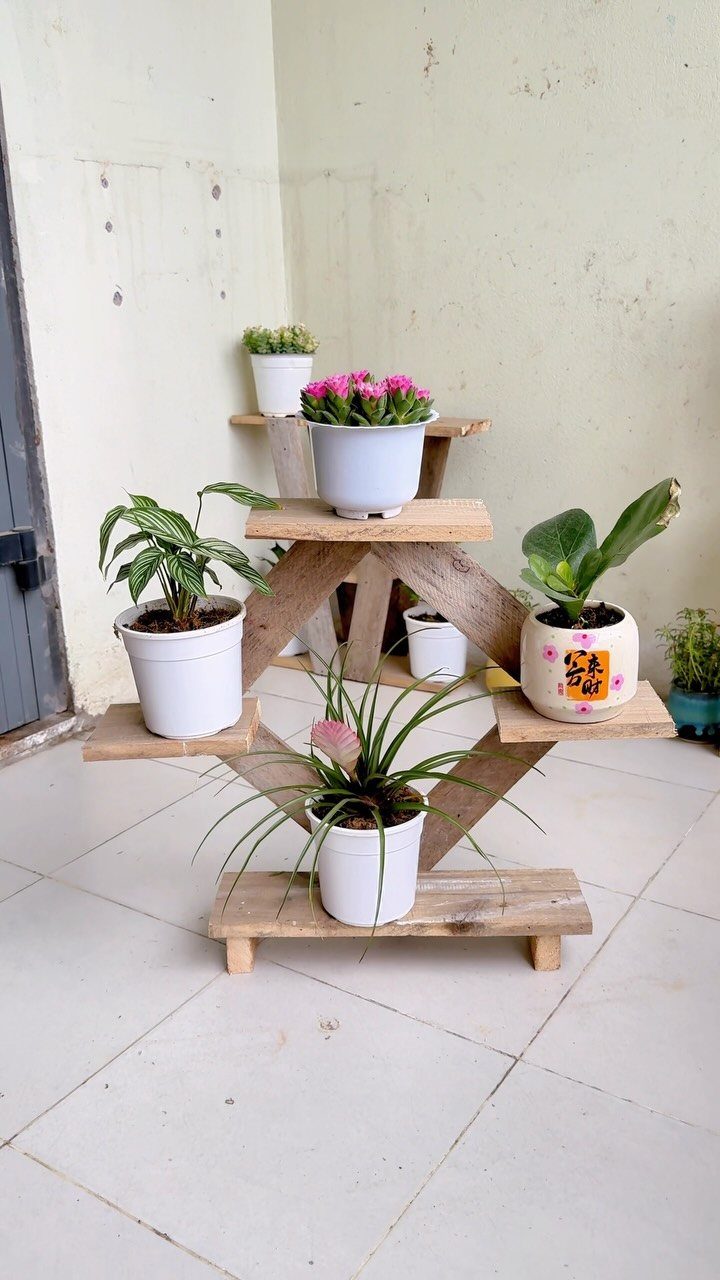
A tiered stand packs several plants into the floor space of one. I build these from 1×2 pine and plywood circles: three levels in widening sizes, spaced apart far enough for each pot to sit without crowding.
Each shelf needs a drainage tray, or you’ll stain the wood. A dark stain hides water marks better than paint; satin white matches trim but needs more wiping down.
A few pine boards, an afternoon with a drill and a jigsaw, and you stop tripping over pots on the floor.
4. Succulent Living Art Frame
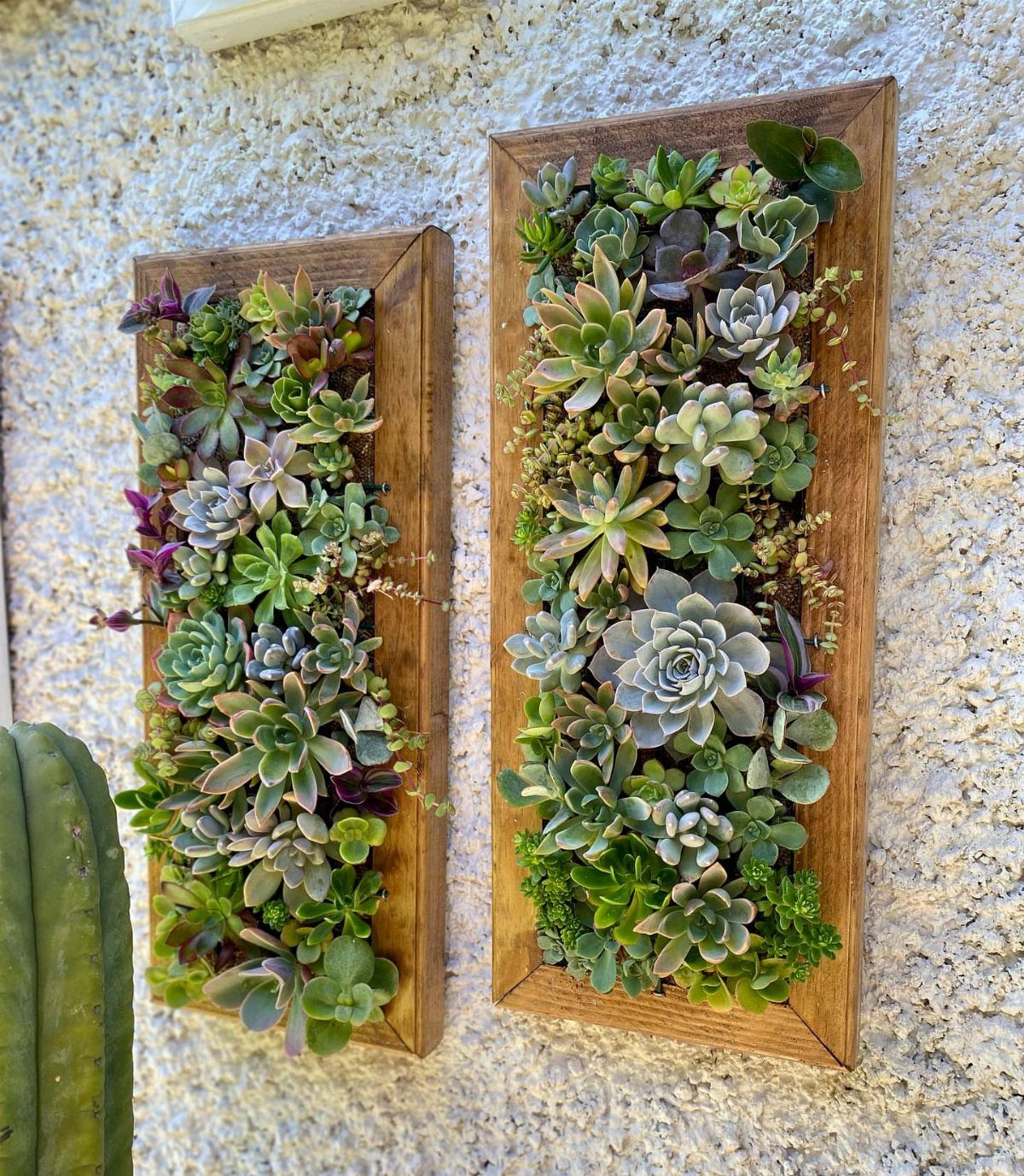
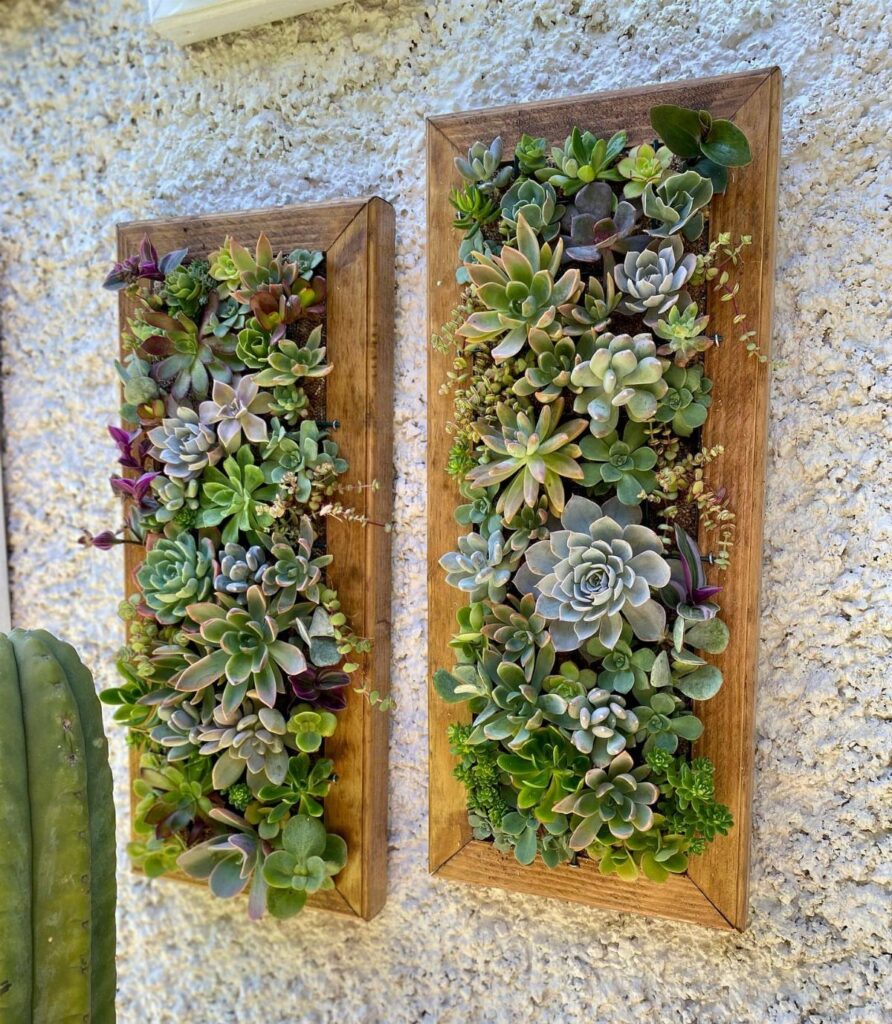
Succulent frames mount living plants vertically, which matters when horizontal surfaces are full. Build a shallow box from cedar fence pickets, line it with chicken wire over cactus soil, and tuck in rooted cuttings.
The wire holds them until they root through. Water by laying the frame flat for an hour; the soil holds moisture longer than you would think.
Outdoor mounting on stucco needs masonry anchors; indoors, a French cleat spreads the weight and keeps the frame off the wall.
5. Decorative Plant Markers
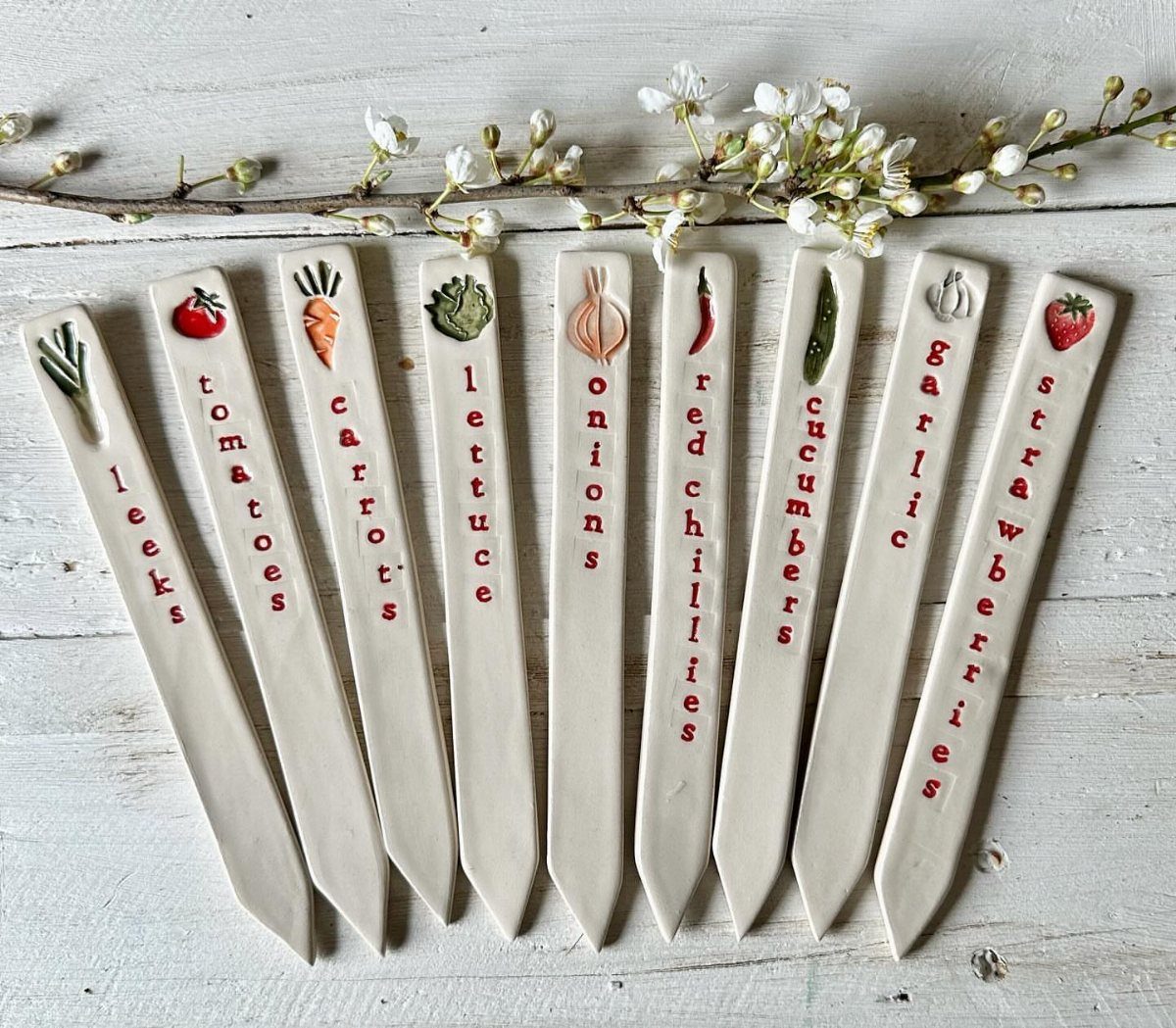
Stamped ceramic markers turn plain labels into garden jewelry. Air-dry clay works for a season; bisque-fired stoneware lasts years.
Vegetables in relief with names pressed in type mean a custom stamp or careful hand work. I make these with polymer clay baked in a home oven, painted with craft acrylic and sealed.
At nine for a small bed, you are investing a weekend, not an afternoon. I would start with herbs I use weekly: basil, thyme, the ones I actually touch.
6. Glass Bowl Pebble Garden
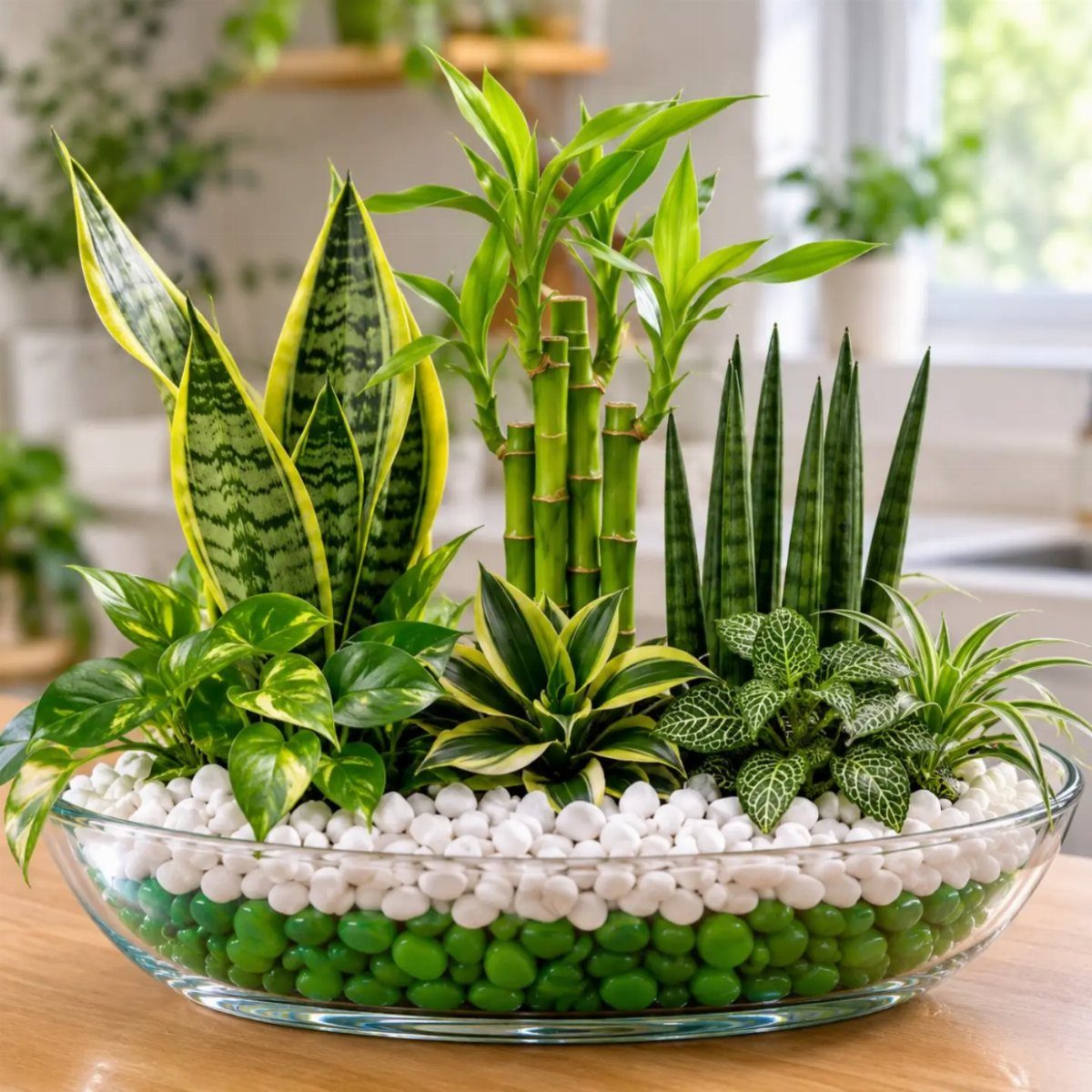
A glass bowl with layered pebbles replaces soil entirely for water-rooted cuttings.
Green glass beads, white pebbles, then the plants themselves; the order matters because the beads and pebbles keep the base stable and the green glass masks anything that settles beneath it.
I use bowls that fit a windowsill or narrow shelf, with a layer of drainage charcoal at the base if the cuttings have any rot risk.
Pothos and philodendron root cleanly in water; succulents will drown in this setup. Change the water weekly, and the pebbles stay clean longer than you expect.
Choosing the Right Plants
Match the plant to the light you actually have, not the light you wish you had.
A south-facing window in Arizona delivers something entirely different than a north-facing one in Vermont, and the tags at the nursery rarely account for that.
I check a variety’s light needs, temperature range, and humidity tolerance before I buy; those 3 things have to match the spot I have in mind.
A plant is a decor element like any other: it has to fit the room’s color scheme and style, not just the light it can reach.
Maintenance tolerance matters as much as light.
A plant that needs pruning every month belongs with someone who enjoys pruning, not with someone who travels weekly. Remove dead or yellowing leaves when you see them; they draw pests and disease faster than you’d think.
Caring for Indoor Plants
Clean cuts heal faster, so I keep sharp scissors or pruning shears and sanitize them between plants.
Cottage on Bunker Hill notes that disease spreads on tools the way it spreads on hands, and I have lost enough plants to believe it.
Research before buying saves the replacement cost later. Light, room temperature, and air humidity all need to line up with what the variety expects, not just two of three.
I run a small humidifier near my tropicals in winter; the radiators here drop the air below what ferns tolerate.
Pruning shapes growth, not just removes damage.
Cut above a node to encourage branching, and step back to check symmetry as you go. Leggy stems come from too little light, not too little fertilizer, and no amount of feeding fixes that.
Decorating with Plants
Proven Winners treats plants as non-living decor elements: proportion, balance, scale, harmony, style, color.
The same rules apply. A large fiddle leaf fig dominates a studio apartment differently than it anchors a loft, and the eye reads that tension even when the plant is healthy.
Grouping matters more than single specimens. Varying heights keeps the eye moving; two at one level and a third slightly taller or shorter holds attention without looking arranged.
I use smaller greenery for shelves and tables where a full planter would crowd the function; Be Brave and Bloom suggests the floral pick section for single stems or small branches that read as realistic without the bulk.
A single sprig in a vase completes a mantel or bedside table the way a throw pillow completes a sofa: small, deliberate, enough.
Homes decorated with plants have been shown to have a positive effect on physical and mental well-being. Being in close proximity to lush, green plants helps to lower daily stress levels and may even result in a better night’s sleep.
Frequently Asked Questions
Why is Gen Z obsessed with plants?
Plants work as living decor that fits rental life; you take them with you when you move, unlike built-ins or paint colors.
They also add visual interest without the cost of furniture swaps, and caring for something living appeals to the same instinct that drives weekend DIY projects on a tight budget.
What are some cheap and easy DIY garden ideas?
Painted plastic pots with hand-applied designs cost little more than craft paint you may already own, and air-dry clay markers work for a season before you commit to firing.
If you want to skip soil altogether, a clear glass bowl stacked with smooth pebbles gives water-rooted cuttings a clean place to live.
Pothos and philodendron both root easily in water, and you can usually get a cutting free from a friend who already has one trailing across a shelf.
What are some cool DIY plant projects I can do?
A succulent living art frame mounts vertically when horizontal surfaces are full, built from cedar fence pickets and chicken wire over cactus soil.





