New Dawn is a climbing rose that reaches 10 to 20 feet and repeats its pale pink bloom from late spring through fall, but only if it gets six hours of direct sun and room to spread. The most common mistake is planting it too close to a wall or eaves, where roots sit in a rain shadow and mature canes have nowhere to go but into the siding.
[link-whisper-related-posts]Choose the Right Location
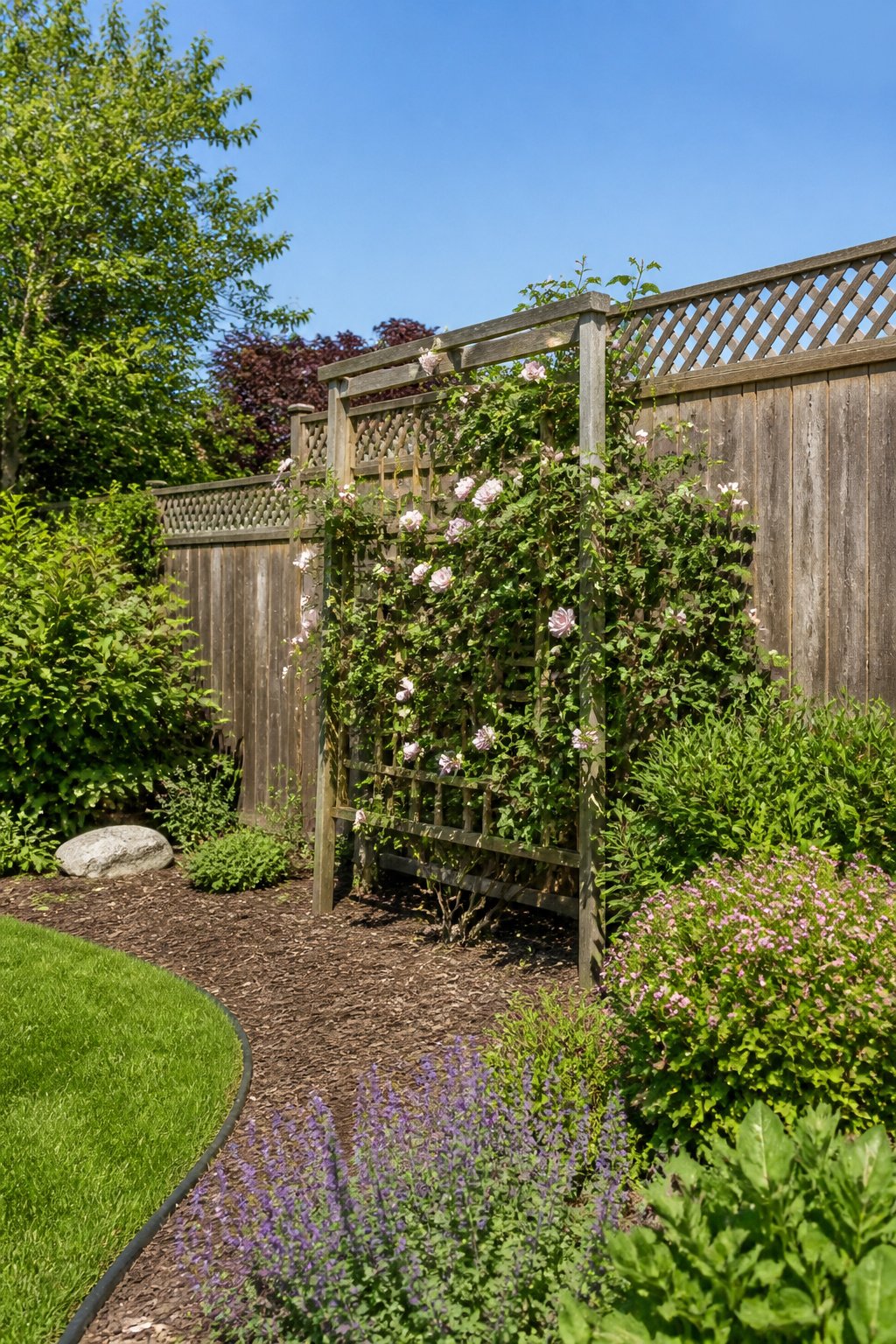
New Dawn roses need at least six hours of direct sun to put out the repeat blooms they are known for. Light shade will not kill the plant, but you will notice fewer flowers and weaker disease resistance, so the brightest spot you have is the one to use.
Mature size is where first-time planters often get surprised. This climber reaches 10 to 20 feet tall with a 7 to 10 foot spread, and in hardiness zones 5 through 9 it can live decades if placed right. The mistake I see repeated is planting too close to a wall or directly under eaves. The roots sit in a rain shadow, the wall reflects heat unevenly, and the mature canes have nowhere to go but into the siding. Give it room to breathe, both for air circulation and for the structure you will eventually need to train it onto.

[Taller Size & Stackable Design] Qaobo plant trellis offers a superior height advantage. A single unit stands at 14.17 inches, and the innovative stackable feature allows you to connect two for an impressive 22.44-inch height. This versatile design is perfect as a small trellis for potted plants or a tall garden trellis for climbing plants, adapting to your plant's growth from a juvenile to a mature stage
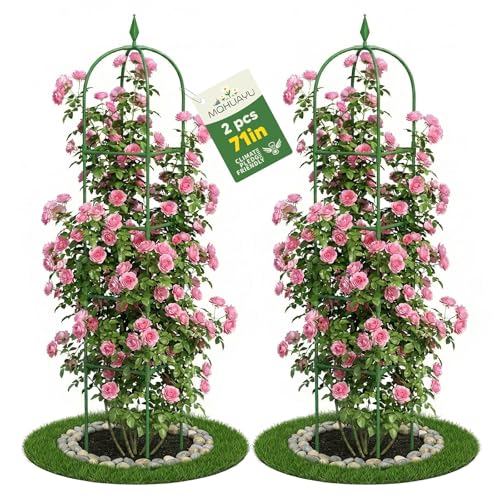
【6 Ft Adjustable Height】This 4-tier garden trellis for climbing plants provides ample space to plant thrive. With removable 4-way connectors, you can easily adjust the height as your plants grow—reaching up to 6 feet tall. It offers the flexibility needed for healthy vertical development
Prepare the Soil
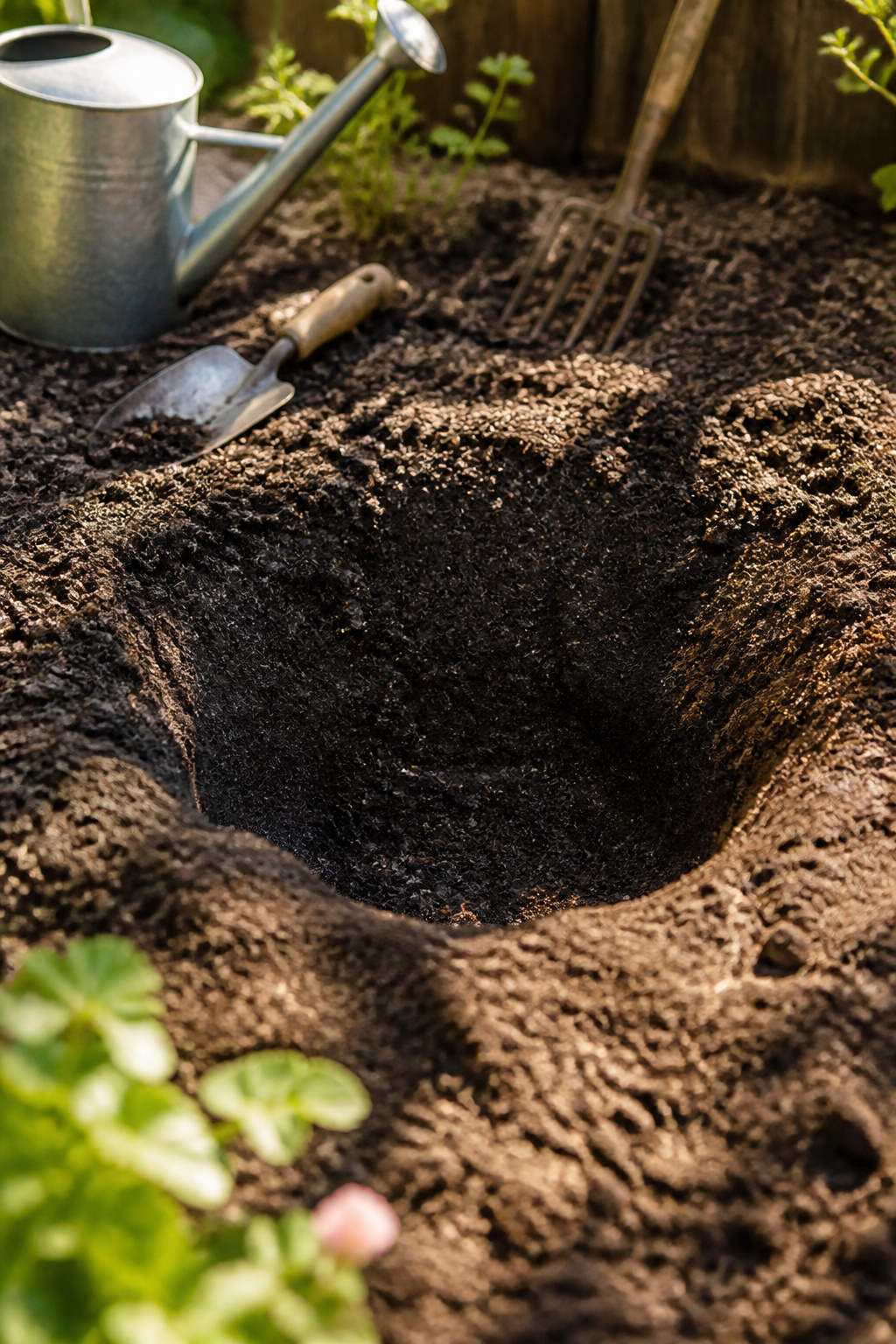
Clay soil in my last rental held water like a bathtub, and the New Dawn I planted there sulked for two years before I figured out why. Compost fixes that, or starts to: three to six inches of the fully broken-down stuff worked into the planting area changes how the soil holds both moisture and air. These roses want steady dampness without wet feet, and organic matter is what bridges that gap.
The hole needs to be wide enough for the roots to spread naturally, not just deep enough to fit them. Depth is where I went wrong that first time. New Dawns should sit slightly above the surrounding soil level, maybe half an inch, because the graft union swells and can rot if buried. I had planted mine flush, then watched rain settle the soil over it anyway.
Bare-root plants need a full day in water before they go in, twenty-four hours of soaking so the canes plump back up and the roots stop feeling like dry twine. The roots will tell you when they are ready, bending without cracking when you spread them into that wide hole.

Own Root - All of our pink Climbing rose bushes at Heirloom Roses are own root, which means they will produce more blooms, be more hardy, and stay true to variety throughout their lifetimes, contrary to grafted roses.

Plant is delivered direct from our nursery in a 3-gallon trade pot. It is fully rooted in the soil and can be planted immediately upon arrival, weather permitting. We advise not to plant during frigid winter months or under drought conditions. Planting and how-to-care instructions will arrive with shipment

Wide Climate Adaptability – Grows in Most US Gardens - USDA Zones: 4-9
Plant the Rose
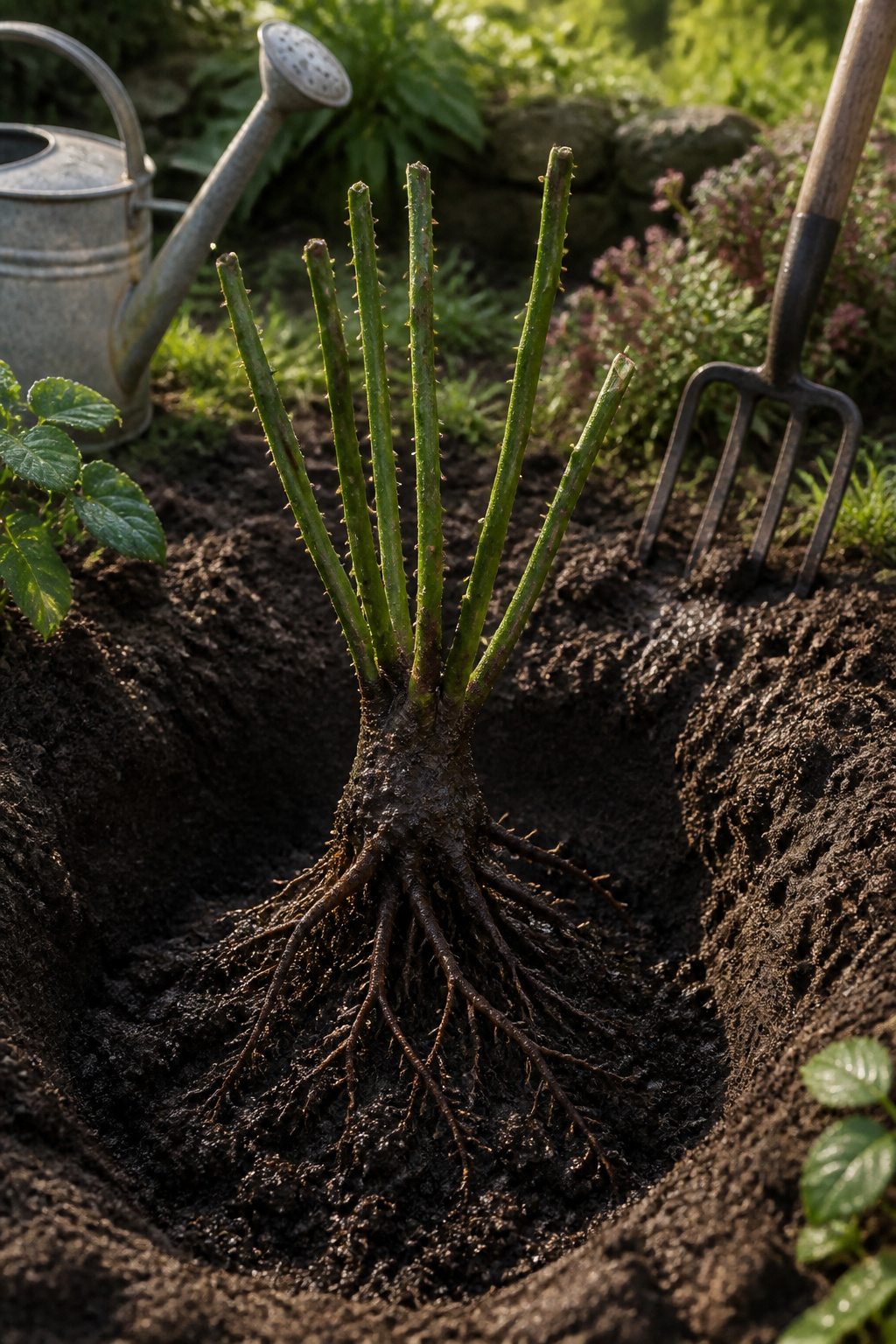
A bare-root New Dawn needs a full day in water before it goes in the ground. The roots are dry from storage, and letting them soak softens the tissue and wakes the thing up so it does not sit shocked in its new hole.
I dig the hole wide enough that the roots can spread without bending, not so deep that the plant sinks later. The graft union, that swollen knob where the rose was joined to its rootstock, sits just above the soil line, maybe half an inch. Sink it lower and the scion roots on its own, defeating the rootstock’s vigor; let it dry out and the wood cracks.
Spacing matters with this one. New Dawn roots run hard and wide, and canes left too close tangle into a thicket that blocks air and invites black spot. Six to eight feet between plants lets each one breathe and climb without a fight.
The root system is too strong for a container long-term. What starts manageable in a pot turns root-bound within a season, and a climbing rose that cannot spread its roots stalls just when you want it to take off. Ground planting gives it the run it needs to throw those long, arching canes.

SUPERIOR DRAINAGE & AERATION- With sand and composted pine bark chunks our specialty Rose Potting Mix balances superb water drainage with just the right amount of nutrient retention. Your Roses will bloom brighter and more fragrant!

Heirlom Roses Mint Compost: Provides moisture retention in sandy, dry soils, while also rich in natural humus to help break up hard clay soils

Heirlom Roses Mint Compost: Provides moisture retention in sandy, dry soils, while also rich in natural humus to help break up hard clay soils
Water Deeply
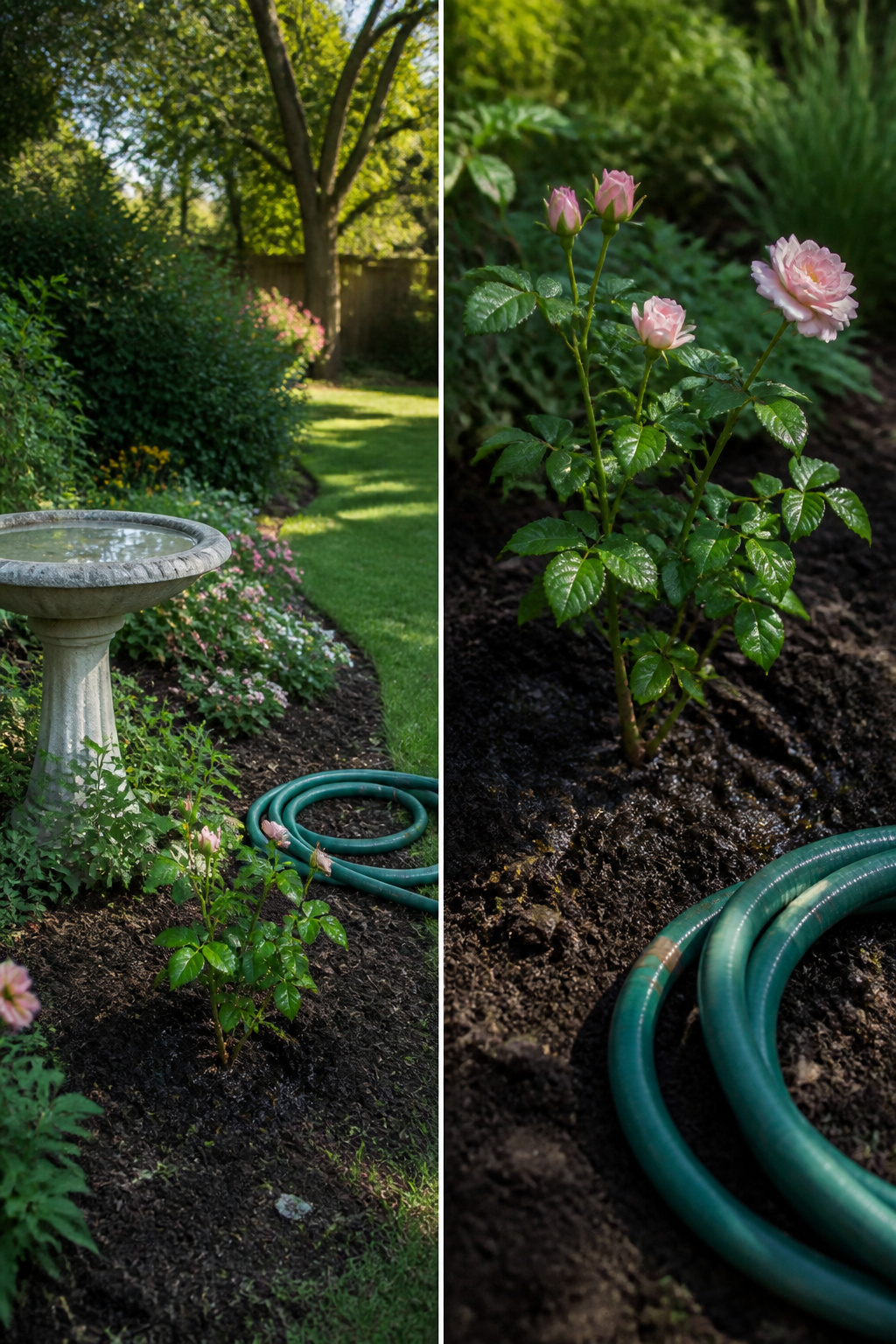
New Dawn roses need about an inch of water each week through the growing season, which works out to roughly four gallons per bush if the sky stays dry. The soil should read as moist, never soggy, while the plant gets established. A month of steady attention right after planting makes the difference between canes that grip their support and canes that sulk.
Check dryness with a finger to the first knuckle before you haul out the hose. If it still feels damp down there, wait. Overwatering invites the root diseases this rose can otherwise shrug off.
I learned the hard way one July when a heat wave hit and I got busy. The canes drooped halfway down the trellis before I noticed, leaves crisping at the edges. A single deep soaking that evening perked most of it back up by morning, but the stressed wood never flowered as heavily that fall. Morning watering with a soaker hose or drip line keeps the foliage dry and cuts down on the fungal problems that overhead sprinklers invite, especially if you are tempted to water after dark.
【100% Natural Organic Formula】Omitgoter Rose Nutrient Soil is formulated with 100% natural ingredients (peat, coconut coir, perlite, bark, humus) without any chemical additives. It is a safe and reliable choice for rose soil and flower soil。

【Science-Backed Formula】Expertly crafted 100% natural potting soil for desert rose plant live, enriched with balanced minerals to mimic native habitats. Ideal for desert rose plant soil potting mix needs while preventing root shock during transplanting

100% Natural: Special custom blend for the “Desert Rose” plant (Adenium Obesum) ; no artificial ingredients
Support the Canes
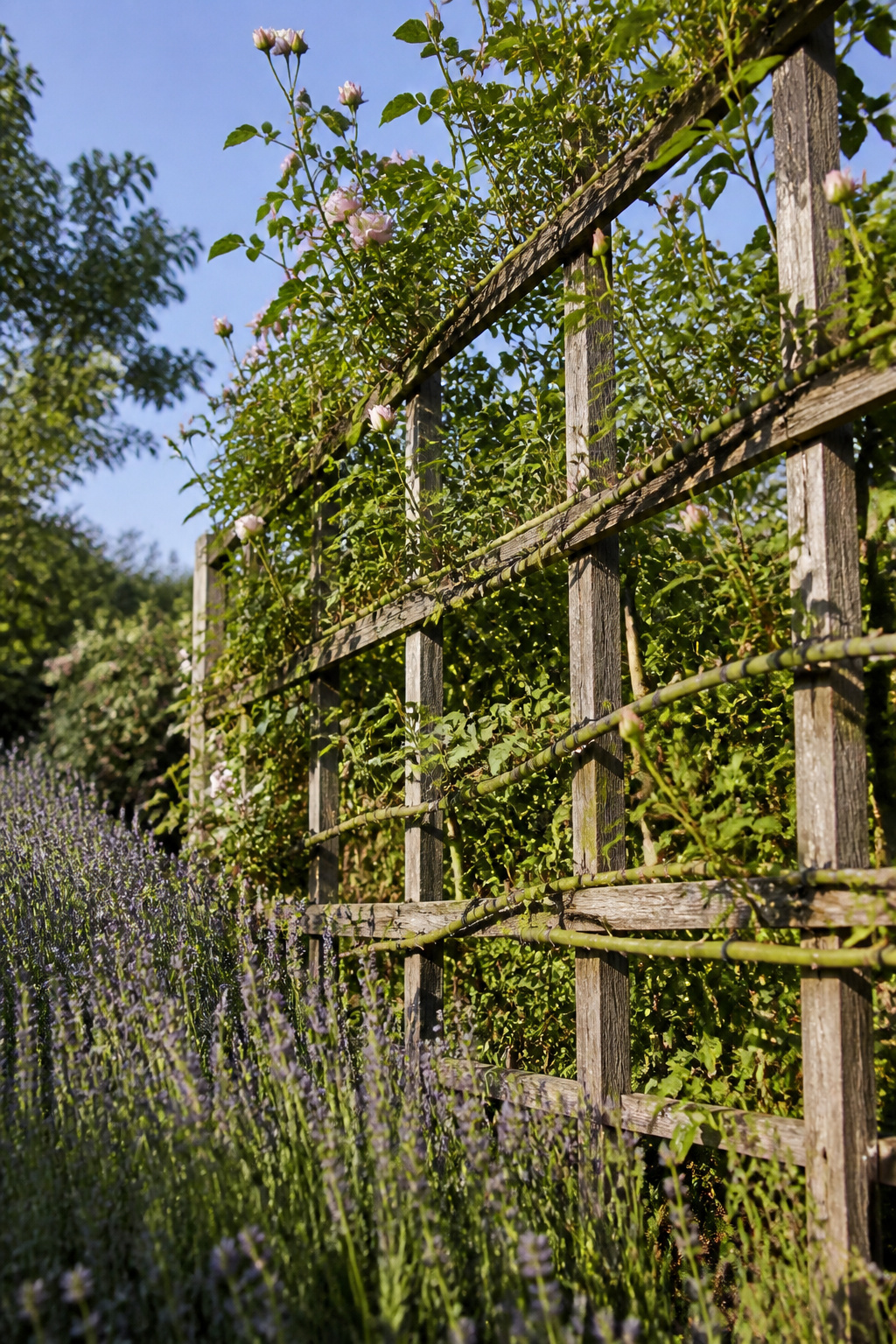
New Dawn canes don’t twine on their own, so the support you choose matters from day one. Trellises, arbors, and fences all work, but whatever you pick needs to outlast the plant’s mature spread of 7–10 feet and the weight those canes gain. I learned that last part the hard way.
Horizontal training is what triggers the bloom. Lay the canes flat against the support and tie them off every eighteen inches or so; each lateral shoot breaks into flowers instead of putting energy into vertical reach. The trick is securing them firmly enough to hold in wind without strangling the stem as it thickens. Soft twist ties or fabric strips work better than wire, which is what I used my first season. It rusted through by August, and I spent a morning picking orange flakes out of the bark while the whole thing sagged sideways.
Leave room for the full reach when you plant. Six to eight feet between roses keeps air moving through the foliage, and that circulation is what keeps black spot from getting established in humid weeks. A foot of clearance from anything else you plant nearby gives the same benefit at the base.

Seeding season: all seasons,Bloom time: Spring/Summer/Fall, Scientific Name: Rosa rugosa Thunb

Live Own Root Plant: Heirloom Climbing Roses White Eden Climber, is a live own root plant ensuring that the root, stems & flowers are all from the same variety and will produce more blooms

Prune in Late Winter
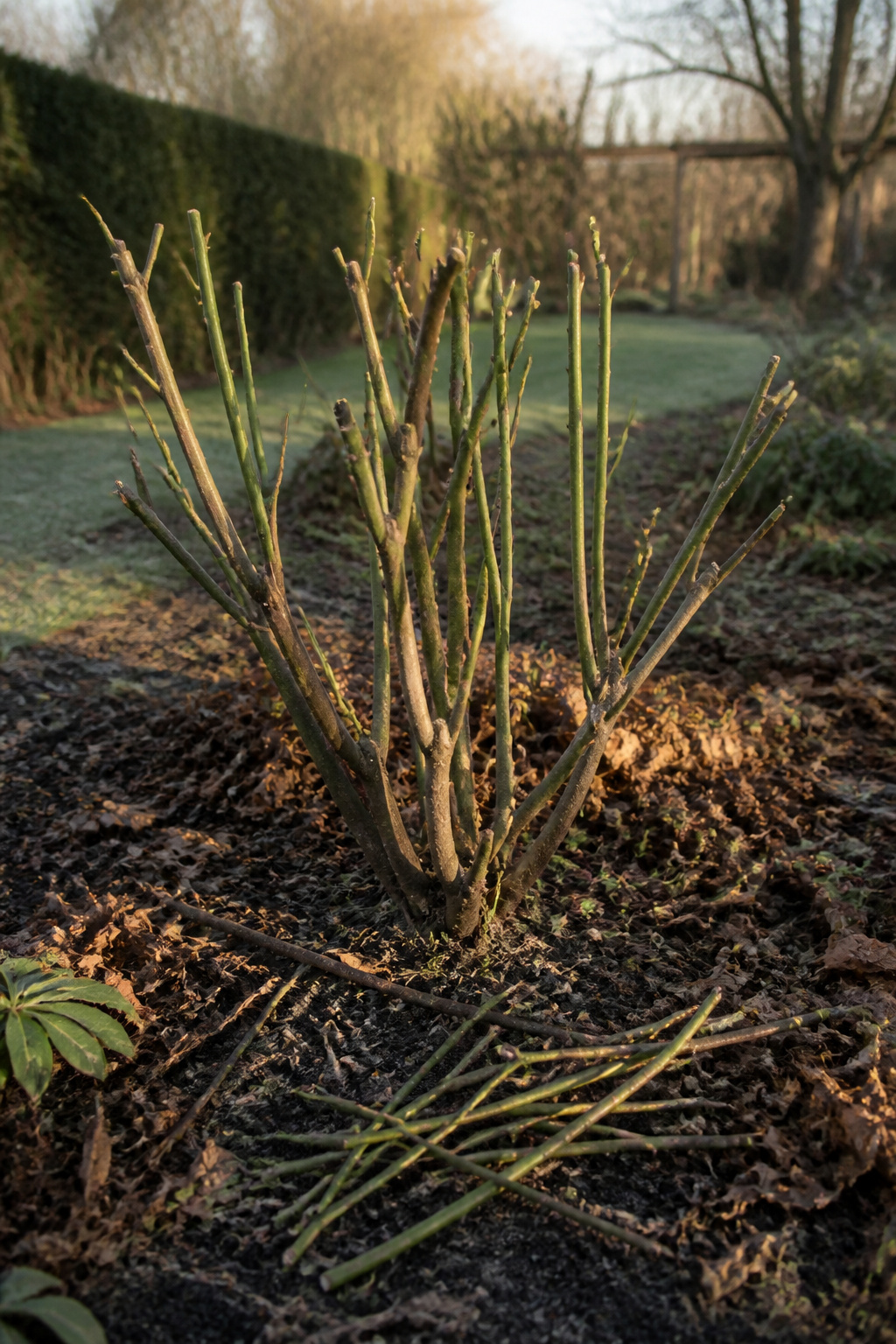
Late winter, before the buds swell, is the window for pruning a New Dawn rose. I wait until the threat of hard frost has passed but before any new growth pushes out, since those fresh canes are where next season’s flowers will form. The cuts go to dead or diseased wood first, then to anything crossing or crowding the center, opening the structure so air moves through.
What I am shaping toward are blooms three to four inches across, packed with thirty-five to forty petals each. That kind of flower needs strong, well-spaced canes to hold it up without drooping. I take out less than I think I should; this variety builds its next show on wood it already has.
Through the growing season, deadheading keeps the cycle going. Snapping off spent blooms redirects energy from seed to new buds, and the plant will free-flower longer for the effort. By late summer I stop, letting the last flowers set hips for fall structure and whatever birds wander through.

【GARDEN TRELLIS ONGOING SUPPORT】Adjustable Height (6.2FT/74.4") is the perfect size to work as a trellis for climbing plants outdoor. This garden trellis can be adjusted by increasing or decreasing the connecting rings based on different plant heights, giving a more adaptable space for plants to grow

[Taller Size & Stackable Design] Qaobo plant trellis offers a superior height advantage. A single unit stands at 14.17 inches, and the innovative stackable feature allows you to connect two for an impressive 22.44-inch height. This versatile design is perfect as a small trellis for potted plants or a tall garden trellis for climbing plants, adapting to your plant's growth from a juvenile to a mature stage

All-Metal Superiority for Heavy-Duty Gardening:This garden obelisk trellis is engineered with solid iron construction, setting a new standard for outdoor plant support. Unlike common plastic-coated metal trellises that rust when coating peels, our pure iron tubing with screw-locked metal joints creates an unshakable foundation. Perfect as a heavyweight tomato trellis or durable grape trellis, it handles vigorous climbers like beans and clematis with absolute reliability.
Fertilize Twice a Year
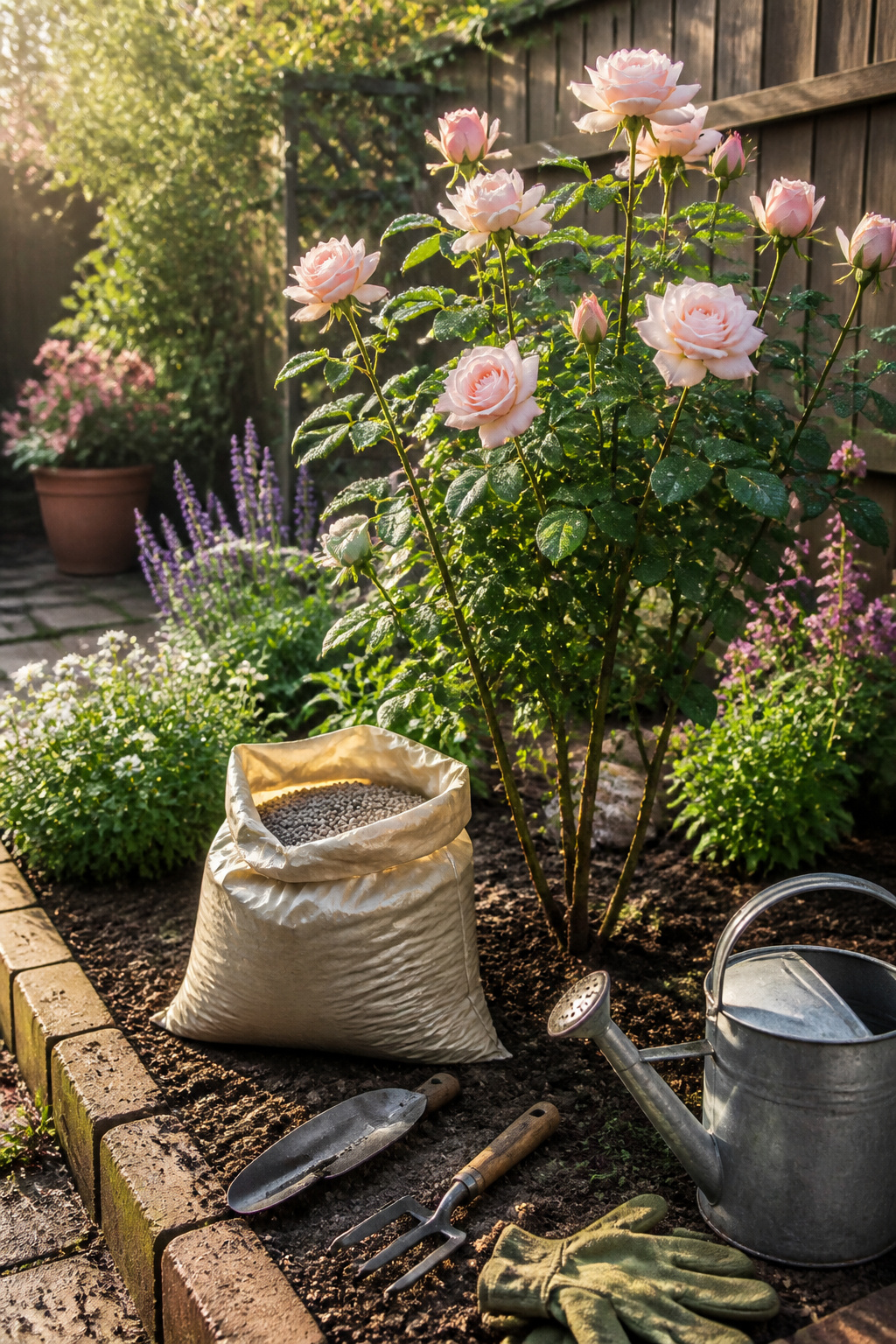
A balanced fertilizer in March and again in June matches the growth cycle of New Dawn roses almost exactly. The early spring feeding catches the plant as it breaks dormancy and pushes out that first heavy flush of pale pink blooms. The June application lands just as the first wave fades, giving the plant nutrients to promote the repeat bloom this variety is known for rather than letting it coast through summer on stored energy.
Organic granular fertilizer formulated for roses works well, though compost worked into the soil at planting time builds the same baseline more slowly. Fish emulsion is another option if you prefer liquid. I tried cutting back to a single feeding one year, skipping the June round to save time, and the difference showed by August. The canes still grew, but the second round of flowers was sparse and smaller. That extra twenty minutes with the granular spreader in early summer is what separates a rose that blooms once from one that keeps going until fall.

Thrives in USDA zones 4-9

Plant height: 6-13 ft

Grow show-stopping climbing roses that transform fences, walls, and arbors into living floral displays – our seeds let you cultivate these normally expensive plants for a fraction of nursery costs.
Growing Conditions
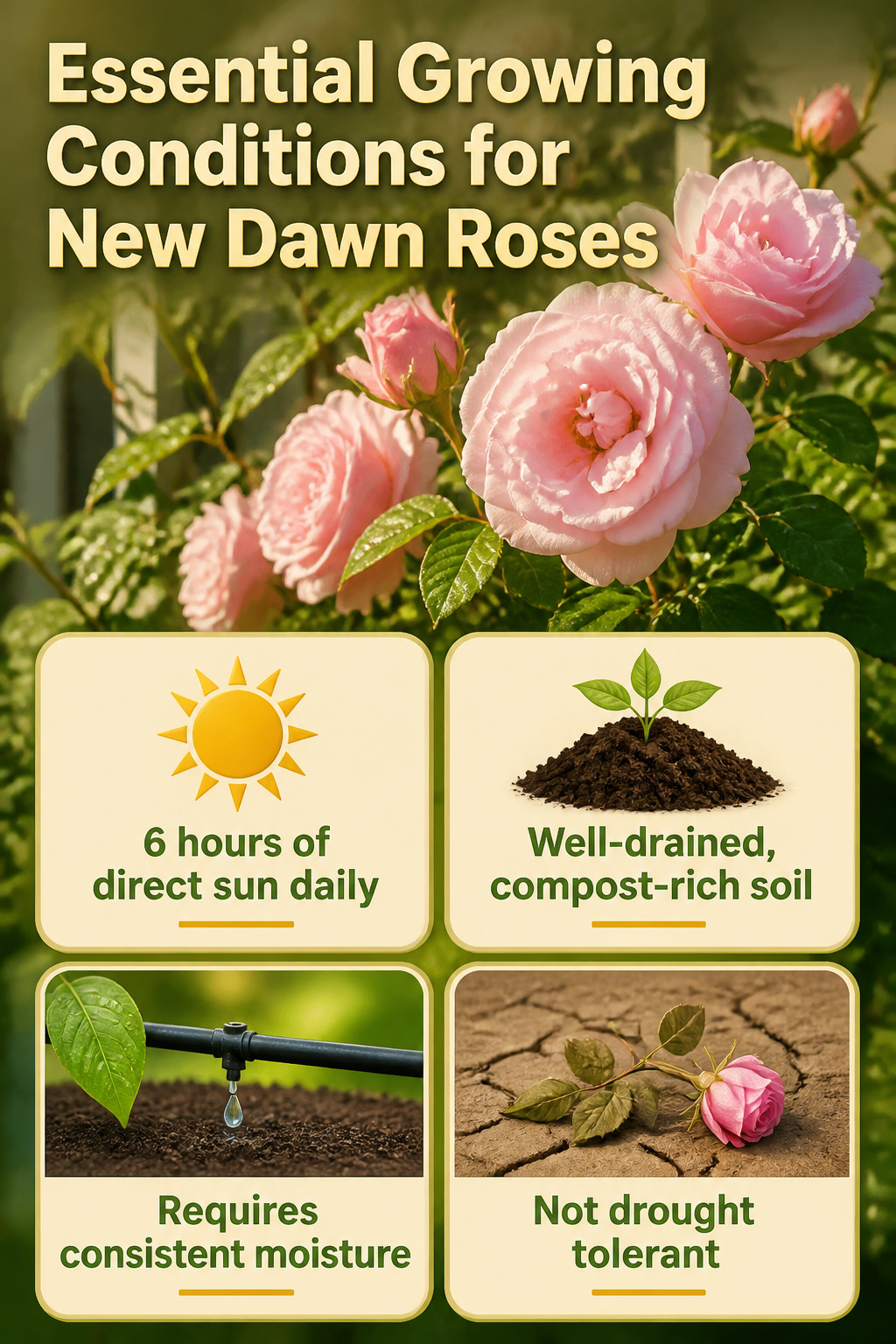
New Dawn roses need six hours of direct sun daily to bloom well, though they will survive in partial shade. The six-hour threshold is not negotiable if you want the repeat flowering this climber is known for; less sun means fewer flowers and weaker disease resistance.
Well-drained soil and consistent moisture sound like opposites until you work with them. The soil should let water pass through, not pool around the roots, yet it needs to hold enough that the plant never dries out completely. In practice, this means amending poor ground with three to six inches of compost before planting. The compost opens up clay, retains moisture in sand, and feeds the roots all at once. A thick autumn mulch of well-rotted manure or finished compost keeps that balance through the growing season.
These roses are not drought tolerant. During hot or dry spells, they need extra water, preferably through drip irrigation or a soaker hose that keeps the foliage dry. Wet leaves invite the very diseases that full sun is supposed to help prevent.
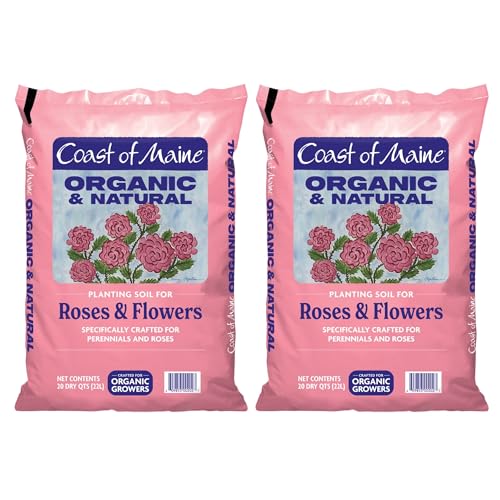
PREMIUM INGREDIENTS: This specifically crafted organic compost blend is the ideal planting mix to improve and revitalize the plant soil for rose varieties, flowers, and perennials.

ORGANIC INDOOR POTTING SOIL, MADE WITHOUT PEAT: Biochar, worm castings, mycorrhizae, compost, and bark fines replace peat moss entirely; every ingredient of this house plant soil is natural, sustainably sourced, and confirmed organic - no synthetic fertilizers, no fillers

✅【Optimized pH Level】Our Rose Soil Mix is perfectly balanced with a pH level that roses love, typically between 6.0 and 6.5, to promote optimal nutrient uptake and vibrant blooms.
Common Diseases
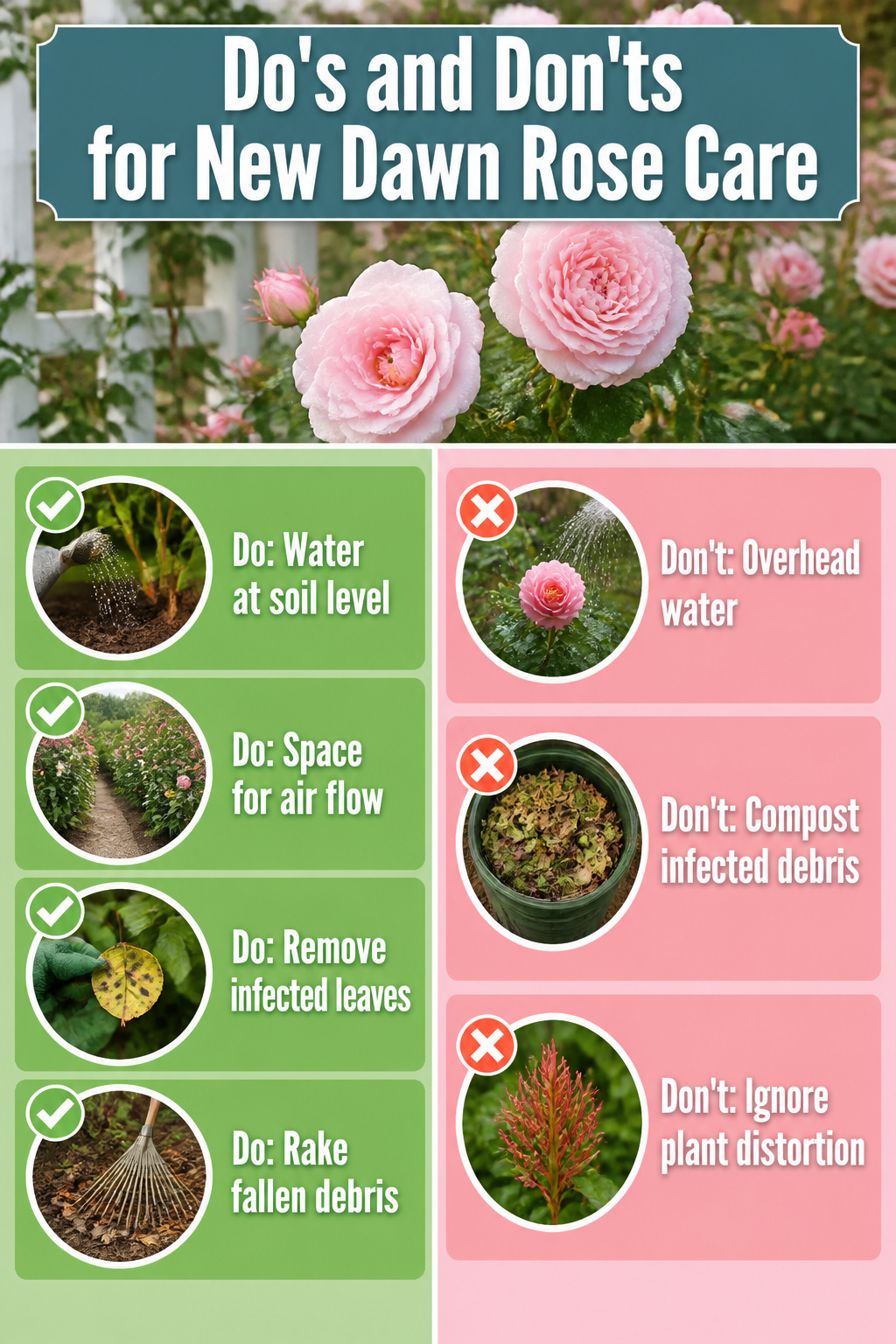
New Dawn carries an Earth-Kind designation for a reason: among roses, its disease resistance is exceptional. That said, humid summers still find a way in, and three problems are worth knowing by sight before they spread.
Black spot shows up as dark, feathery-edged circles on leaves and stems, usually after prolonged wetness or overhead watering that sits overnight. Leaves yellow and drop from the bottom up. The fix is mechanical: pick off infected leaves, rake fallen debris, and water at soil level in morning hours so foliage dries in sun. Horticultural oils like neem will treat an outbreak, though they come at the cost of beneficial insects, so timing and restraint matter.
Powdery mildew looks like gray-white dust coating leaves, stems, and buds in humid conditions with poor air flow. Distorted growth and early leaf drop follow. More sun and wider spacing between plants helps prevent it; infected growth gets cut out and destroyed, not composted.
Rose rosette is different. A virus spread by mites causes witch’s broom malformation, and there is no cure. The entire plant must be dug out and removed to keep it from spreading fast through a garden. Prevention here is the only management: watch for the distortion, act immediately, and accept the loss.

✅ 🌿 Crafted with Care: Our premium potting soil mix is meticulously formulated with top-quality ingredients to provide optimal growing conditions for Desert Rose plants.
【100% Natural Organic Formula】Omitgoter Rose Nutrient Soil is formulated with 100% natural ingredients (peat, coconut coir, perlite, bark, humus) without any chemical additives. It is a safe and reliable choice for rose soil and flower soil。

Specially Crafted for Roses & Flowers: Formulated to improve and revitalize soil for roses, annuals, perennials, and other flowering plants grown in garden beds and containers.
How New Dawn Compares
New Dawn’s real competition is not other pink climbers but the gardener’s own patience. A mature plant hits 15 feet in just a couple of growing seasons, then keeps going to 18 or even 20 feet if the support holds. That vigor separates it from most modern climbers, which often trade explosive growth for ever-larger blooms that weigh down weaker canes.
The 1930 introduction date matters here. New Dawn arrived as a Wichurana hybrid in an era when roses were judged by how well they covered a porch without constant spraying. Its disease resistance still holds up, though wet falls can bring black spot where drier summers would not. The repeat blooming is steady rather than flashy: clusters of semi-double blush flowers from late spring through late fall, with a lighter fragrance than the damask-heavy antiques.
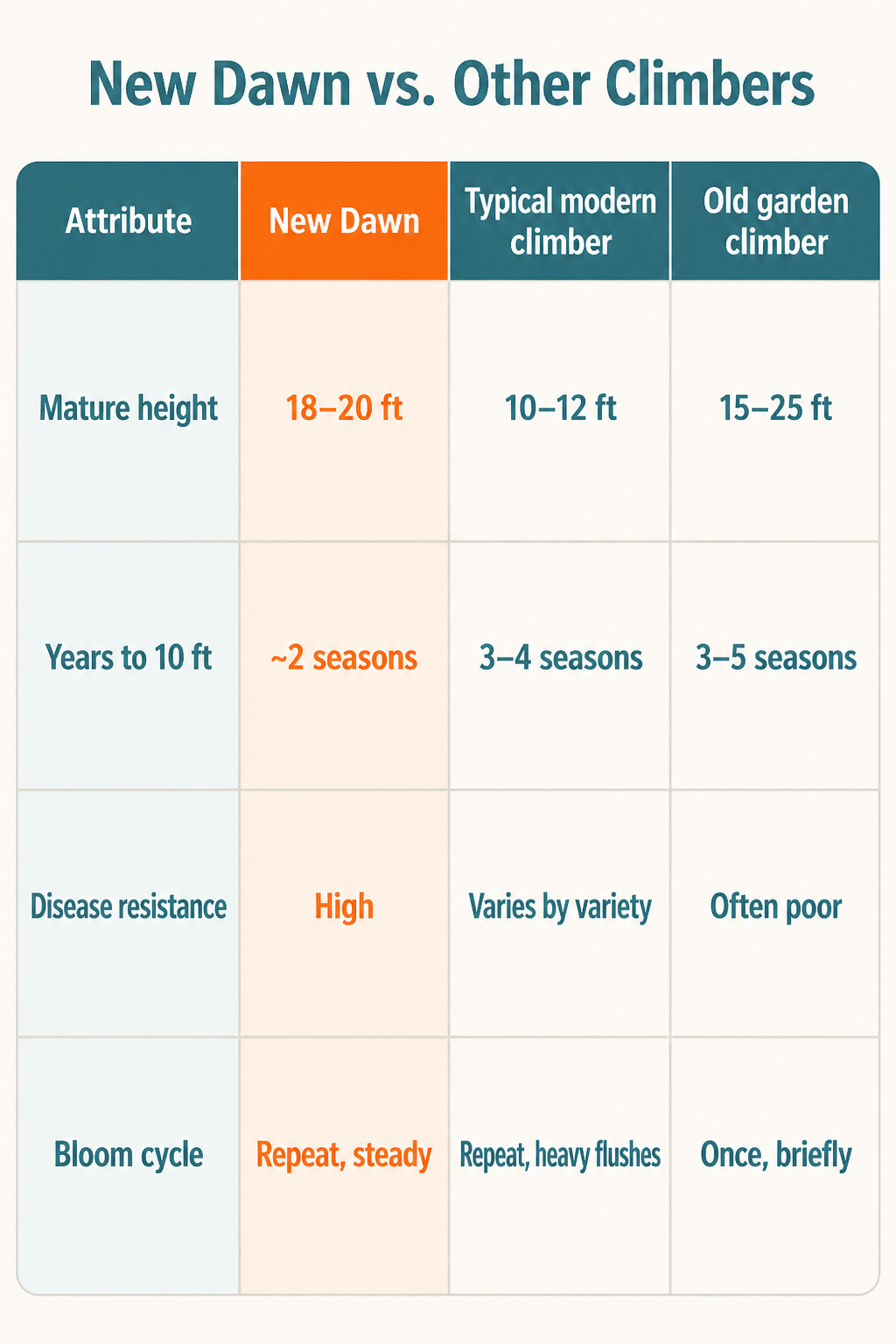
For a quick read across three common choices:
| Attribute | New Dawn | Typical modern climber | Old garden climber |
|---|---|---|---|
| Mature height | 18–20 ft | 10–12 ft | 15–25 ft |
| Years to 10 ft | ~2 seasons | 3–4 seasons | 3–5 seasons |
| Disease resistance | High | Varies by variety | Often poor |
| Bloom cycle | Repeat, steady | Repeat, heavy flushes | Once, briefly |
The practical case for New Dawn is maintenance load. A plant that survives since 1930 does so because it forgives neglect: part shade, poorer soil, a missed pruning. The tradeoff is scale. A renter on a weekend timeline needs that sturdy support in place first, or the rose outgrows its trellis before the second season ends.
Propagation and Containers
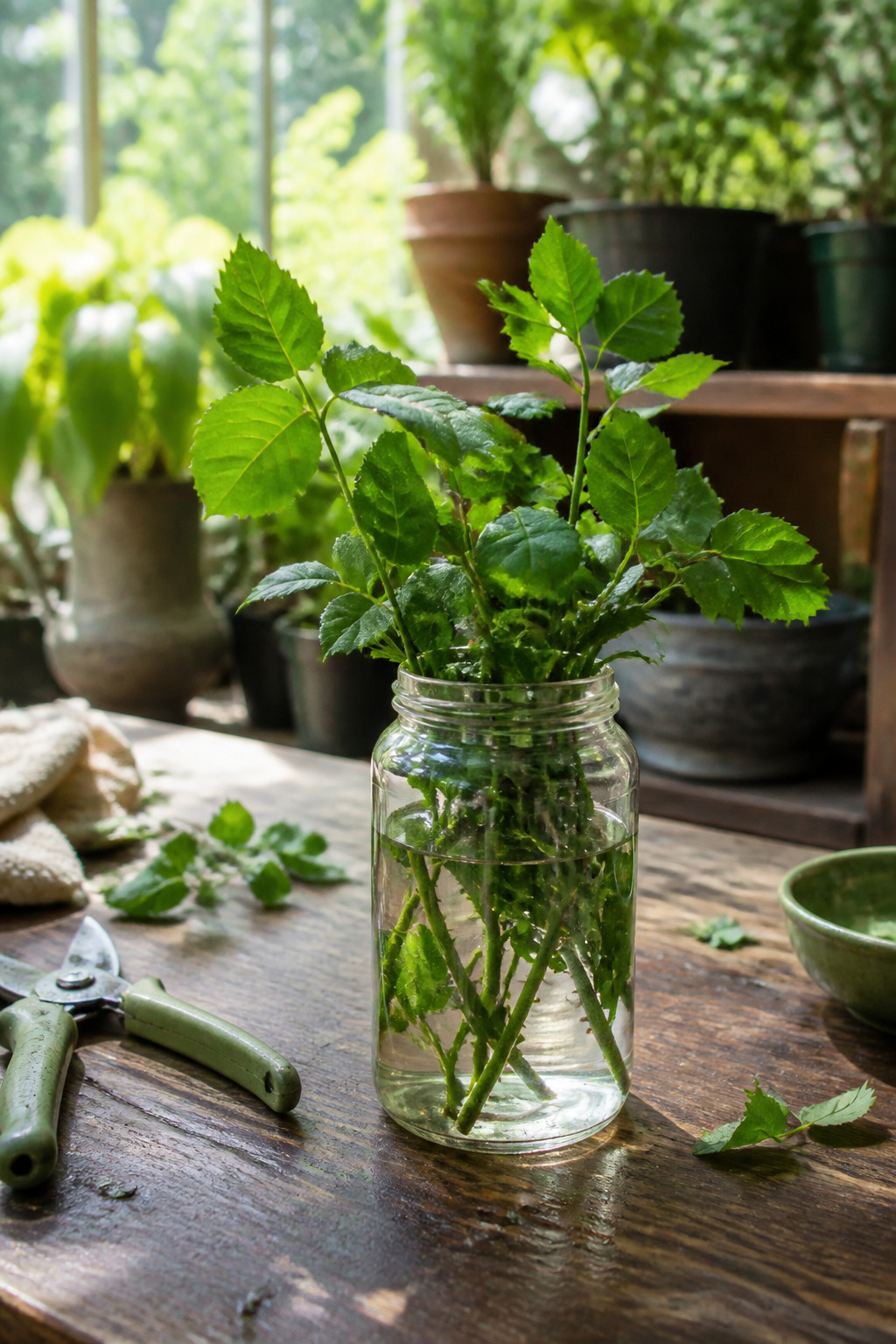
Hardwood cuttings in spring or fall are the reliable way to propagate New Dawn roses. A six-to-eight-inch cutting from a healthy cane, stripped of lower foliage and dipped in rooting hormone, will root in a moist mix of vermiculite, perlite, and peat. The catch is patience: rooted cuttings need a few years to fill out into the multi-stemmed climbers you see in photographs. I would take more cuttings than you think you need, since not every one takes.
Containers are not the answer for this rose. New Dawn grows too vigorously for the root and cane room a pot allows. Most gardeners should treat it as a ground plant from the start, not a patio option you transplant later. The young plants stay tender even after rooting, and shifting them from pot to garden only adds stress to an already slow process.
What I Would Do Differently
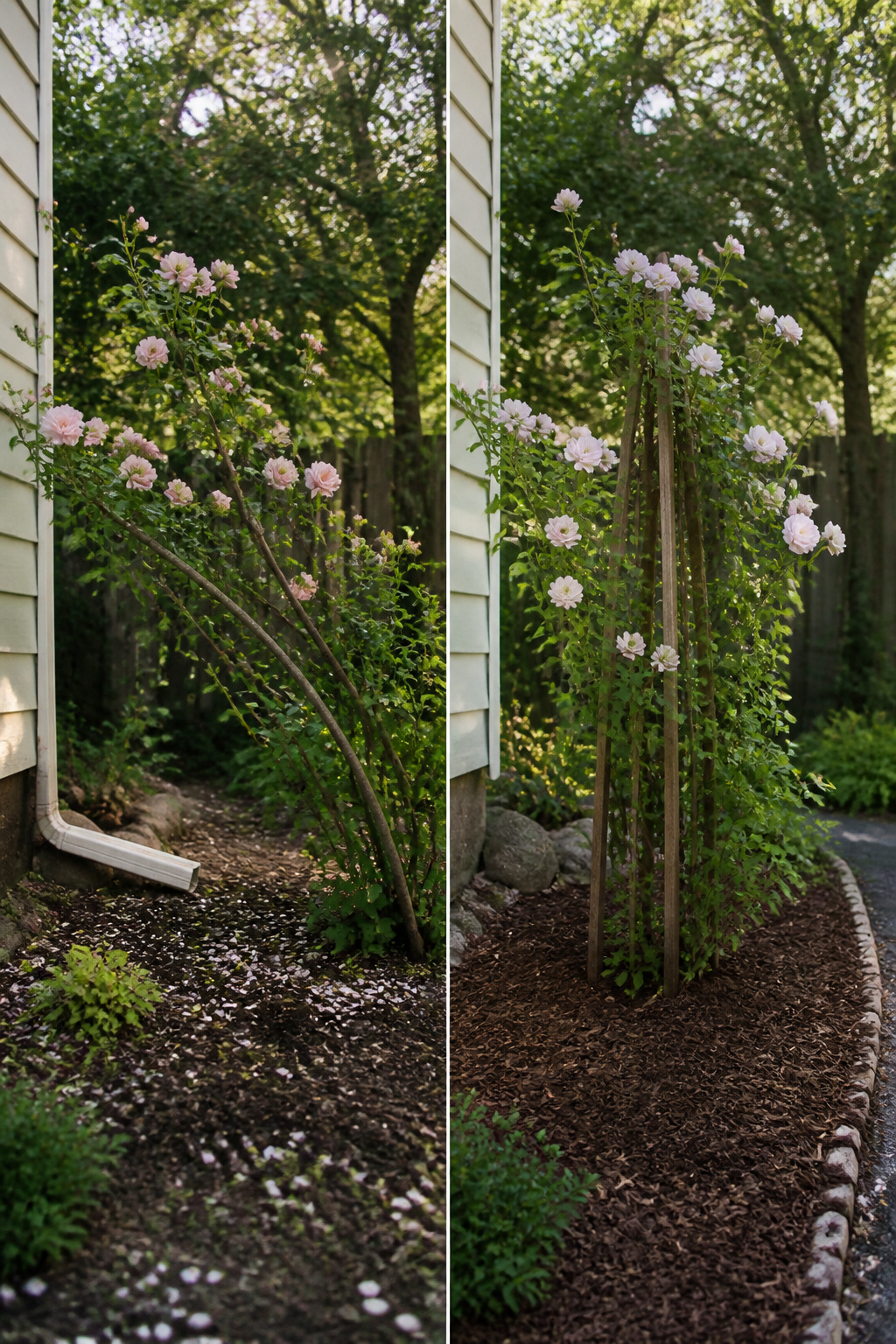
Three growing seasons with New Dawn roses taught me more than the planting guides did. Here is what I would change:
- Planting too close to the downspout. I tucked the root ball about two feet from the corner to hide the pipe. The soil stayed wet for days after rain, and one cane rotted at the base. Six to eight feet from any runoff would have been smarter.
- Using thin wire to tie the canes. The galvanized stuff from the hardware store looked fine in March. By June it had sliced into two stems as they thickened. Soft jute or wide rubber straps cost a dollar more and do not cut.
- Skipping the second fertilizer. I fed in early spring and figured that was enough. By August the new growth had paled and the second flush of blooms was half the size. A late-June feeding takes ten minutes.
- Not training horizontally soon enough. New Dawn wants to shoot straight up. I left the first canes vertical for a full year before I bent them, and the lateral buds never activated. Start the horizontal angle while the wood is still green and flexible, even if it looks wrong at first.
Frequently Asked Questions
What are the best conditions for planting New Dawn roses?
Full sun, well-drained soil amended with compost, and consistent moisture are the best conditions for planting New Dawn roses. The plant needs at least six hours of direct sun daily for repeat blooms, and the soil should stay damp without pooling water around the roots. A spot with good air circulation and six to eight feet of spacing from other plants or structures lets the mature 10 to 20 foot spread develop properly.
How quickly do New Dawn roses grow?
New Dawn roses grow fast enough to reach about 10 feet in just a couple of growing seasons, then continue to 18 or even 20 feet at full maturity. This vigor outpaces most modern climbers, which often need three to four seasons to hit the same height. The canes shoot up vertically first, so starting horizontal training early is what triggers the lateral buds that produce flowers.
Can New Dawn roses grow in a pot?
New Dawn roses should not be grown in containers long-term because the root system runs too hard and wide for any pot to sustain. What looks manageable at first turns root-bound within a season, and the climbing canes stall just when the plant should be taking off. Ground planting from the start gives the roots the run they need to support those long, arching canes.