

A cleaning chores schedule is a timed rotation of daily, weekly, and monthly tasks that keeps home maintenance from collapsing into weekend-long marathons.
It only works if it actually changes how you think about the work; most people burn out not from cleaning too little, but from panic mode, spotting the worst mess, feeling guilt, and half-fixing it.
The daily layer is a 15–30 minute block, usually evenings, that stops compounding before it starts.
[link-whisper-related-posts]Daily Cleaning Tasks
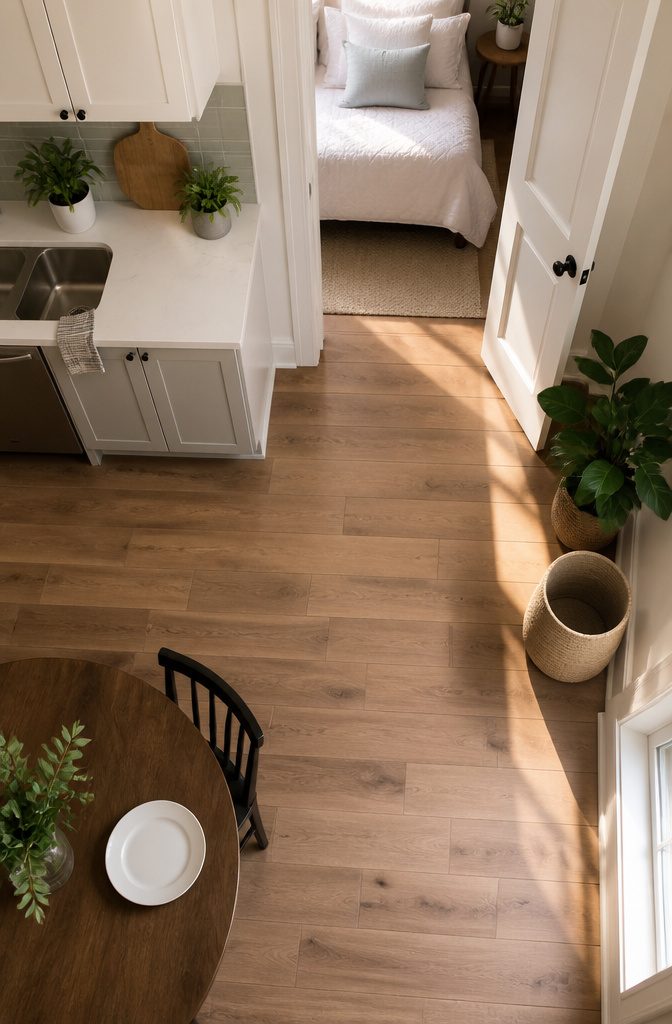
The daily layer of a cleaning chores schedule is a 15–30 minute maintenance block that stops mess from compounding. Sources split this into short bursts, and I find the evening reset more reliable than waiting for morning motivation.
Here is what belongs on the daily list:
- Make beds. An instant visual win that takes under two minutes per room.
- Wash dishes or load the dishwasher. Running it overnight and unloading in the morning keeps the sink from becoming a staging area for the whole day.
- Wipe down kitchen counters and stovetop. Five to seven minutes removes the residue that attracts pests and sets.
- Sweep kitchen floors and high-traffic entryways. Daily sweeping matters more in dusty climates where grit scratches finish.
- Take out trash. Kitchen bags go out before odor sets; this is not the day for full can scrubbing.
- Declutter living spaces. Ten minutes putting away shoes, mail, and remotes prevents the slow creep of surface pileup.
Feeding pets and checking mail belong here only if they fit your household rhythm. Some sources include packing lunches or meal prepping, but I treat food prep as its own category, not cleaning.
This layer is about habit, not deep cleaning. Skip a day and the next morning proves why.
Weekly Cleaning Tasks

Weekly chores take more muscle than daily ones, and they are where a schedule earns its keep. I assign each job its own day; otherwise the bathroom waits until I notice it, which in my house means it waits forever.
- Bathrooms need a real scrub: toilet, tub, shower, mirrors. I do mine on Wednesday so it never goes more than a week.
- Dust furniture, window sills, shelves. Monday works; the weekend mess is still fresh in my mind.
- Vacuum carpets and rugs, or the grit works into the fibers.
- Mop hard floors after vacuuming, not before. Thursday is my day for this.
- Change bed linens; I like Thursday for this too, but some prefer midweek. Pick one and stay with it.
- Clean kitchen appliances with disinfectant: stovetop, microwave, the works.
- Laundry deserves its own day, or it swallows the weekend.
Spread these across the week. A 15–30 minute block each day beats losing Saturday to the whole list, and the house resets rather than just holding steady.
Monthly Cleaning Tasks
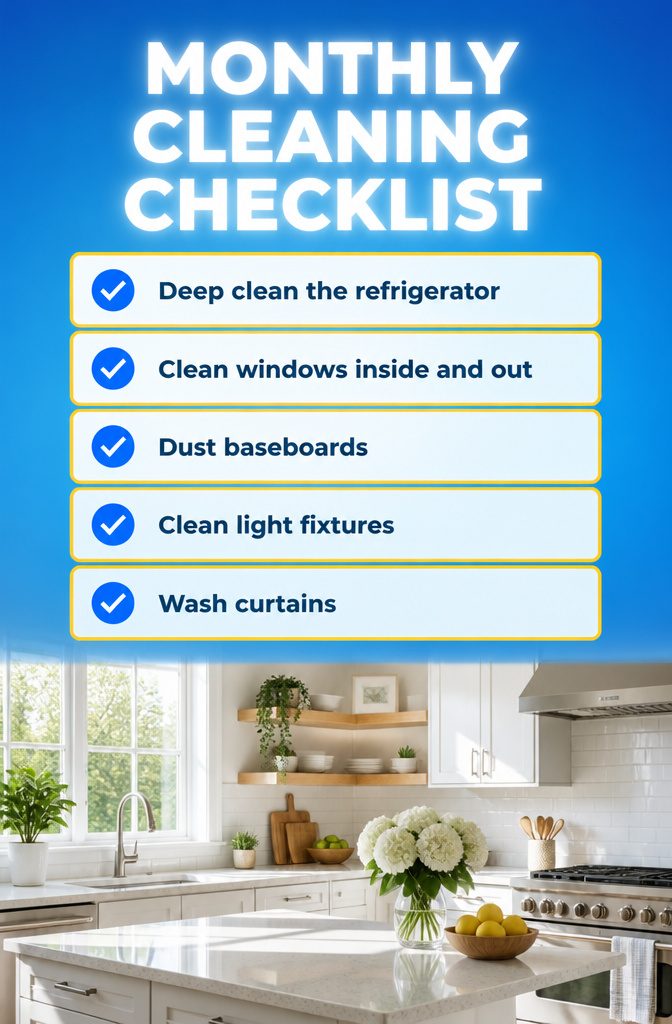
Monthly tasks pick up where weekly cleaning leaves off, targeting the corners and surfaces that collect grime on a slower timeline. These are the jobs I reserve for a weekend when I have an extra hour.
- Deep clean the refrigerator. Pull everything out, check expiration dates, and wipe down shelves with warm soapy water. The rinse.com list includes the oven and microwave too, though I find the fridge matters more for daily function.
- Clean windows. Inside and out if you can manage it; the glass that looked fine under winter light suddenly shows every streak once spring hits.
- Dust baseboards. The Molly Maid schedule spreads this across week one, but I prefer knocking it out alongside windows since both involve kneeling and a microfiber cloth.
- Clean light fixtures. Ceiling fans and lamps collect more dust than you would expect; a damp cloth works better than a duster here.
- Wash curtains. This one sits at the bottom of most lists for a reason. I treat it as seasonal rather than strictly monthly, running panels through a gentle cycle when the fabric starts holding cooking odors or pollen.
Why a Schedule Works
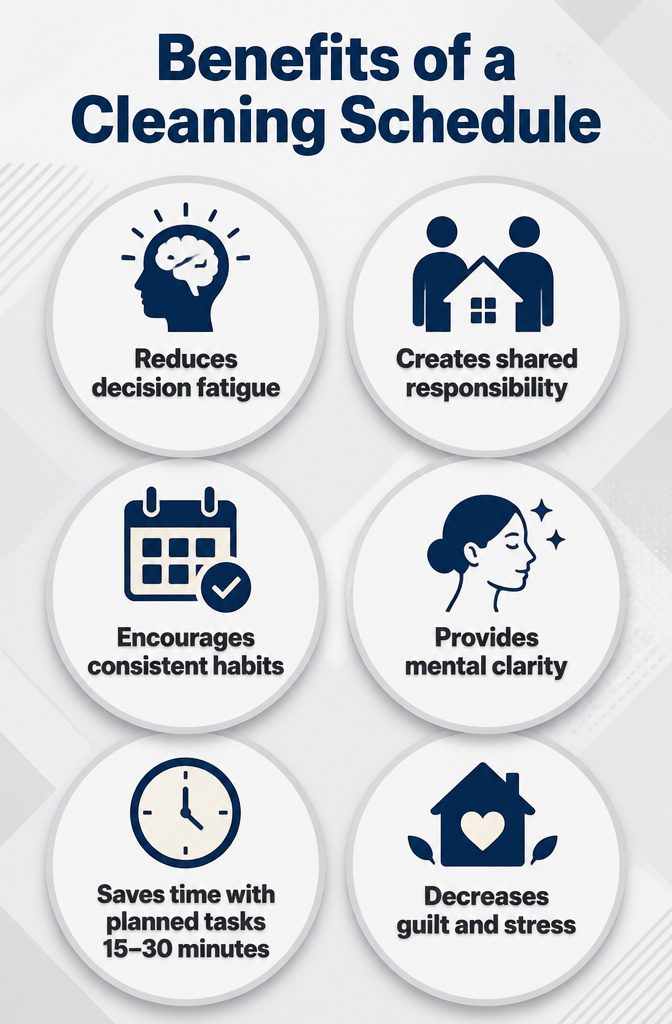
A cleaning chores schedule only works if it actually changes how you think about the work. Most people I see in forums aren’t cleaning too little; they’re cleaning in panic mode, reacting to whatever looks worst in the moment.
That loop of spotting a mess, feeling guilt, half-fixing it, then collapsing is what burns people out, not the tasks themselves.
The shift to planned cleaning removes that decision fatigue entirely. You stop waking up wondering what needs doing because the 15–30 minute tasks are already mapped to specific days.
A family member can check the schedule and take over a task without a negotiation, which turns cleaning from one person’s mental load into shared responsibility.
The real reward isn’t the organization itself; it’s the headspace you get back when your home stops demanding constant improvisation. The schedule wins when you miss a day and don’t stress about it, because the framework still holds.
Time Blocking
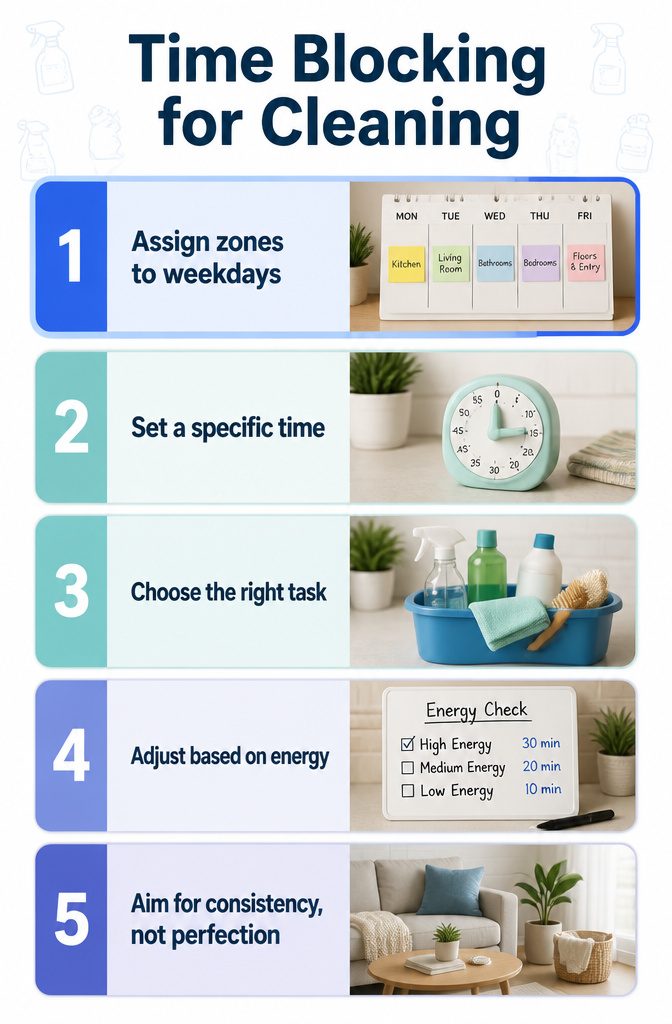
Fifteen to thirty minutes of daily cleaning, timed to the gap between work and dinner, keeps a home presentable without swallowing the weekend whole.
I have watched the Saturday-only approach fail repeatedly: six to nine hours of backlog hits at once, and by hour three most renters or first-time owners are either half-finishing rooms or skipping the deep tasks that actually matter.
The math is what breaks it. A realistic weekly total lands closer to six or seven hours if spread across the week; compressed into Sunday, it demands a block most people do not actually have.
The fix is assigning each weekday a zone, kitchen on Monday, bathrooms on Wednesday, then matching the task to the evening’s real energy. A meeting-heavy day gets a ten-minute wipe-down; a lighter one gets the full half-hour.
Consistency beats perfection here because a fifteen-minute routine prevents the pile-up that turns cleaning into a punishment. Weekend-only cleaning also ignores that renters and new owners live in smaller spaces where one day’s dishes or laundry visually dominates the room.
Daily touch-ups protect the mental calm that a home is supposed to provide, not just the floor plan.
Getting Household Members Involved
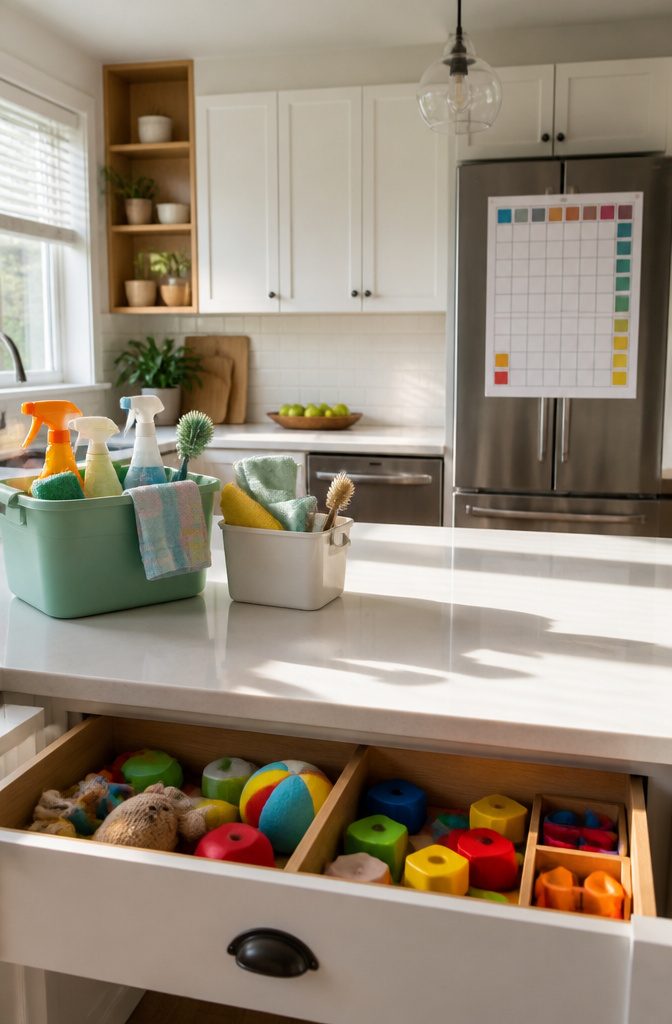
A cleaning chores schedule only works if someone else shows up for it. Children who handle regular tasks tend to grow more responsible and better at managing frustration, so the time invested pays out in skills, not just swept floors.
Little ones can tidy toys or help with dusting; older kids can load a dishwasher or run a load of laundry. A posted chore chart keeps assignments visible and cuts the daily negotiation.
The same logic holds for roommates or partners. Dividing rooms or tasks by day and by person keeps the load fair, and a rotating wheel prevents the same person from always scrubbing the bathroom.
I lean toward 15-minute timed blocks; they keep burnout at bay and make it easier for someone to jump in between other obligations.
Visual tracking works for adults too. A chart on the fridge or a shared phone list means no one has to play manager, and the quiet accountability keeps the schedule alive without nagging.
Building in Flexibility

A schedule that cannot bend will break the first week someone gets sick or stays late at work.
I have watched too many people abandon a cleaning routine because Tuesday’s bathroom block collided with a deadline, and the whole system felt like failure after that.
The better approach is a framework that holds its shape without demanding identical days: morning and evening routines as anchors, with tasks that can trade places when energy or time runs short.
The difference between rigid and flexible is not sloppiness; it is design. A rigid schedule assigns bathrooms to Wednesday no matter what.
A framework says bathrooms need doing weekly, and Wednesday works best unless it does not. One 15-minute timer session on Thursday evening covers the same ground without the guilt.
For households with partners, children, or roommates, that adaptability matters more.
Dividing line items fairly matters less than having clear handoffs when someone’s week collapses. The schedule survives because it was built around real commitments, not against them.
Seasonal Additions
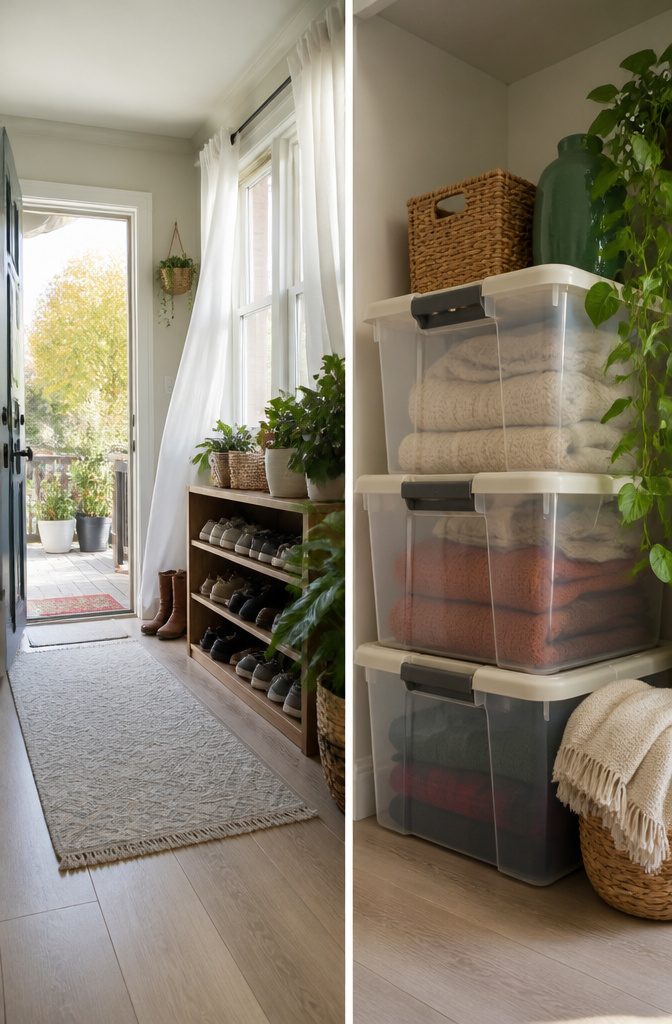
A few jobs belong on the calendar every three to four months, not every month.
Gutter cleaning is the clearest example for owners; renters can skip it unless the lease says otherwise, though checking the downspout for clogs after heavy storms still falls to whoever lives there.
- Rotate closet contents when the weather shifts. I pull summer pieces forward in late spring and store wool coats the same weekend I swap the bedding; it keeps the daily drawer from cluttering and surfaces items I forgot I owned.
- Wash outdoor surfaces, patio furniture, and the exterior of ground-floor windows once a season. A bucket of warm water and a soft brush handle most of it in an afternoon.
- Organize seasonal decor and sporting gear the same weekend as the closet rotation. I keep one bin per season; when the bin coming out feels half-empty, that is the signal to donate what I did not use.
- Wash curtains for air quality. I do this with the spring and fall rotations, not monthly; the fabric holds more dust than it looks like it should.
When to Hire Help
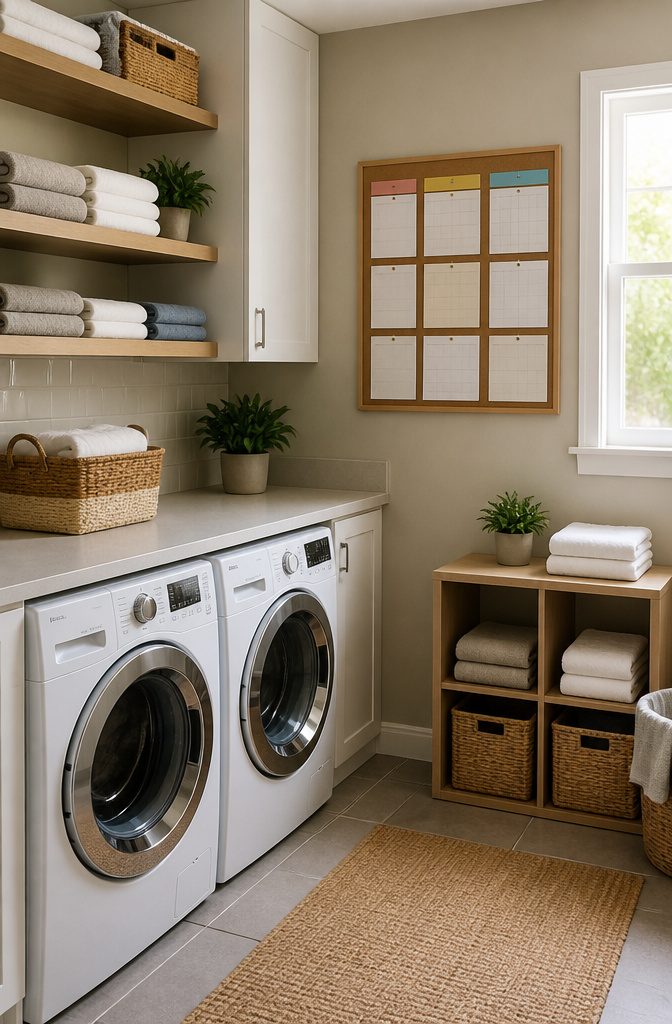
Professional cleaning runs about two to three hours for a bi-weekly visit, and for some households that trade is straightforward math.
Families juggling work and school schedules, or homes with more square footage than weekend energy can cover, often hit a wall where the seven to nine hours a week a full schedule demands simply does not exist.
A hybrid approach keeps the budget in reach: fifteen minutes of daily maintenance plus scheduled help every other week, which leaves the deep rotation for your own calendar.
The decision framework is cleaner than most people make it. If you are already outsourcing nothing and missing the monthly tasks entirely, a service probably pays for itself in extended floor and appliance life.
If you are managing the weekly rhythm but dreading the baseboards and oven scrub, buy those hours back selectively. Laundry pickup for bedding and curtains is another entry point that skips the full commitment.
For readers doing one hands-on project a year at a few hundred dollars, a quarterly or seasonal professional visit makes more sense than a standing appointment.
Spend the money where your own schedule breaks first, not where the cleaning industry would prefer you to sign up.
Frequently Asked Questions
How do I create a cleaning schedule?
List every task by room, decide if it belongs on a daily, weekly, or monthly rotation, and estimate how long each takes.
Match those blocks to the time you actually have each day rather than trying to fit everything into a single weekend.
What cleaning tasks should be done daily?
Make beds, wash dishes or load the dishwasher, wipe kitchen counters and stovetops, sweep kitchen floors and entryways, take out trash, and spend 10 minutes decluttering living spaces.
The whole routine should run 15 to 30 minutes and is designed to stop mess from building, not to deep clean.
How often should you do each household chore?
Daily tasks take 15 to 30 minutes, weekly tasks spread across individual days, and monthly jobs need about an hour on a weekend. Seasonal additions such as gutter cleaning or closet rotation happen every three to four months.
How can I involve my kids in cleaning?
Assign age-appropriate tasks and post a visible chore chart so assignments are clear without daily negotiation. Children who handle regular chores tend to grow more responsible and better at managing frustration, so the reward is skill-building, not just cleaner floors.
What are some ways to keep my house clean?
Spread tasks across the week in timed 15 to 30 minute blocks rather than letting everything backlog to Saturday. Consistency beats perfection because short daily routines prevent the pile-up that turns cleaning into punishment.
What is the 5 5 5 rule for cleaning?
The schedule it recommends instead is a 15 to 30 minute daily maintenance block plus assigned days for weekly tasks and one weekend hour for monthly deep jobs.
What should I include in my daily and weekly cleaning checklists?
Daily: beds, dishes, counters, stovetops, kitchen floors, trash, and clutter pickup.
Weekly: bathroom scrub, dusting, vacuuming, mopping, fresh linens, appliance wipe-down, and laundry. Spread weekly items across separate days; a 15 to 30 minute block each day beats losing Saturday to the full list.





